
Introduction to Ciambotta Recipe
What is Ciambotta and Its Significance in Italian Cuisine?
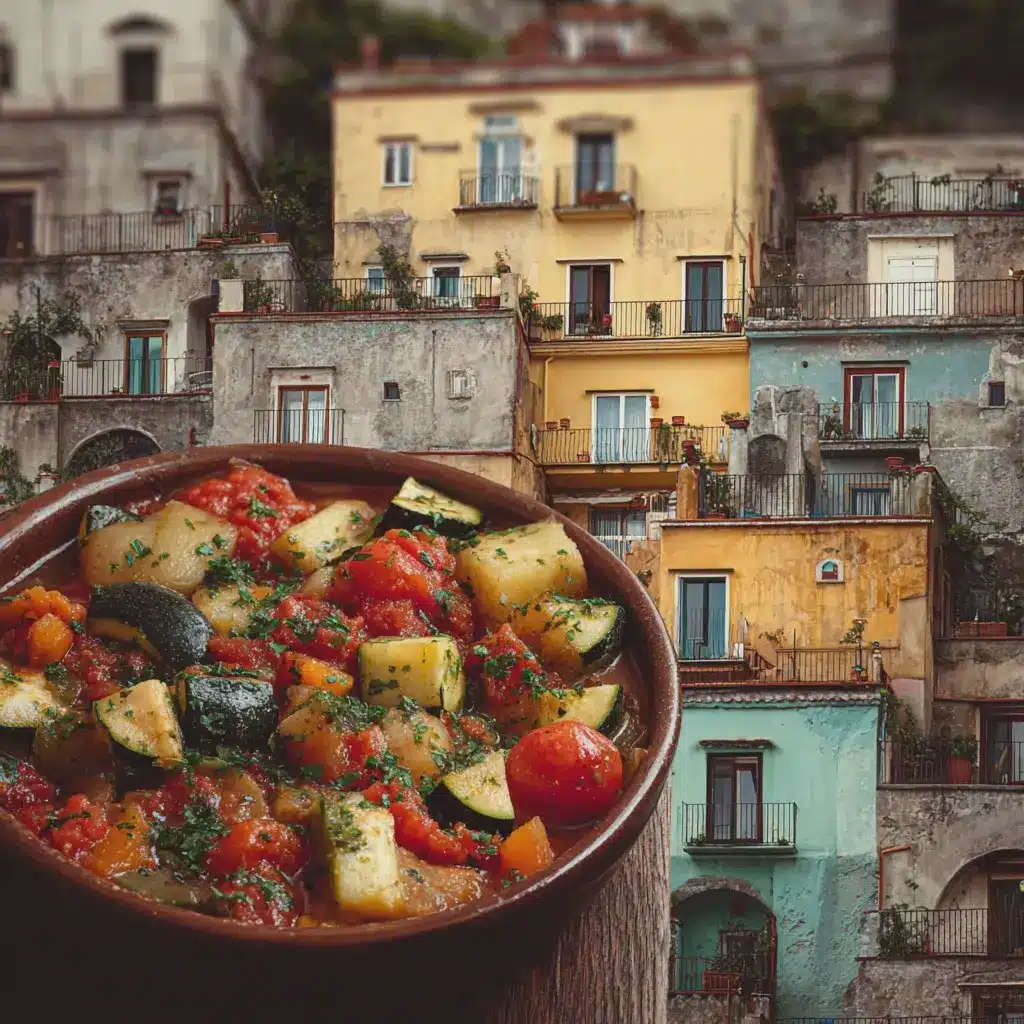
If you’re looking to explore the richness of Italian culinary traditions, the ciambotta recipe is a fantastic starting point. This vibrant dish is a classic vegetable stew that hails primarily from Southern Italy, particularly regions like Campania and Puglia. Known for its colorful presentation and generous use of seasonal vegetables, ciambotta is more than just a meal—it’s a celebration of the harvest.
Traditionally, this dish includes a medley of ingredients such as eggplant, zucchini, peppers, and tomatoes, all simmered together to create a comforting yet light meal. What makes ciambotta truly special is its adaptability; each household may prepare it with their own unique twist. For instance, some families may add turkey bacon or chicken ham for a protein boost, while others may stick to the plant-based roots.
The Ingredients and Preparation
One of the best aspects of the ciambotta recipe is its flexibility. Here’s a quick breakdown of commonly used ingredients:
- Vegetables: Eggplant, zucchini, bell peppers, potatoes, and tomatoes
- Herbs: Basil, parsley, and sometimes a hint of oregano
- Protein: Optional additions like turkey bacon or chicken ham can elevate this dish
- Liquid: A splash of vegetable broth or even a little olive oil
The beauty lies in how these ingredients come together. The vegetables meld their flavors as they cook, creating a dish that’s both hearty and refreshing. If you’re facing a particularly busy week, you’ll be delighted to know that ciambotta is typically even better the next day, making it an ideal meal prep option.
Exploring Regional Variations
As you delve into making your own ciambotta, consider how this dish varies across Italy. Each region adds its unique spin, influenced by local produce and traditions. For a delightful read about Italian culinary traditions, check out this article from ItalianFoodForever.
By experimenting with the ciambotta recipe, you get to indulge in Italy’s rich gastronomic heritage right from your kitchen. Perfect for gatherings or quiet evenings, this dish promises to bring warmth and a touch of Italy to your table. So, why not give it a try? Your culinary adventure awaits!

Ingredients for Ciambotta
Fresh vegetables and pantry staples
The beauty of a ciambotta recipe lies in its versatility and simplicity. This flavorful Italian vegetable stew is all about fresh produce and essential pantry ingredients. Let’s dive into what you’ll need:
- Fresh Vegetables: Aim for a colorful mix! Bell peppers, zucchini, eggplant, and tomatoes are classics. Choose seasonal options for the best flavor and nutrition.
- Onions and Garlic: These build the flavor foundation. They add depth and aroma that elevates the dish.
- Turkey Bacon or Chicken Ham: A slight twist can be fun! Lean turkey bacon adds a savory element without overwhelming the veggies. Chicken ham can introduce a nice touch without being too heavy.
- Broth: Use vegetable or chicken broth as a cozy base. It ties everything together beautifully.
- Herbs and Spices: Fresh basil and oregano are superb choices. Plus, a pinch of red pepper flakes can introduce a bit of heat!
These ingredients not only serve as essential components for your ciambotta but also highlight the beauty of staying grounded in what the earth provides. Want to explore other fresh ingredients? Check out The Spruce Eats for seasonal produce tips!
Preparing Ciambotta
Ciambotta is a hearty and flavorful Italian vegetable stew that’s perfect for any season. Whether you’re a novice or a seasoned chef, this dish brings warmth and satisfaction to the table. Let’s walk through the steps to create a delicious ciambotta that your friends and family will rave about.
Gather your ingredients
Before diving into the preparation, gather all your ingredients. This way, you’ll have everything at your fingertips, making the cooking process smoother and more enjoyable. For a basic ciambotta recipe, you’ll need:
- Olive oil
- 1 onion, chopped
- 2-3 cloves of garlic, minced
- 1-2 celery stalks, chopped
- 1-2 carrots, chopped
- 1 zucchini, diced
- 1 bell pepper (any color works!), chopped
- 1 medium potato, diced
- 1 can (14 oz) diced tomatoes or 2 fresh tomatoes, chopped
- 2-3 cups vegetable or chicken broth
- Fresh herbs like basil, parsley, or thyme
- Salt and pepper to taste
- Optional: turkey bacon or chicken ham for added flavor
Make sure to wash and chop your vegetables in advance to speed up cooking. Fresh produce is always preferable for optimal taste, so consider visiting your local farmer’s market for the best ingredients.
Heat the olive oil and sauté the onion
Start by heating a generous amount of olive oil in a large pot or Dutch oven over medium heat. Once the oil is hot, add the chopped onion. Sauté it for about five minutes, or until it becomes translucent and fragrant. This step is crucial—it sets the foundation for the entire flavor profile of your ciambotta.
Add garlic and begin layering flavors
Now it’s time to add the minced garlic! Stir it into the onions and let them cook together for another minute. The aroma will be irresistible! This is where you can add your optional ingredients: if you choose to incorporate turkey bacon or chicken ham, add them now. The meat will render some fat and deepen the flavors, making your ciambotta recipe all the more satisfying.
Incorporate the heartier vegetables
With the aromatics ready, it’s time to bring in the heartiest veggies. Add the celery, carrots, and potatoes first since they take a bit longer to cook. Stir everything together and let it sauté for about 5-7 minutes. Make sure the vegetables are coated in that delicious olive oil, which will help them soften and release their flavors.
Introduce the tomatoes and broth
Once the heartier vegetables have softened, it’s time to add the tomatoes. If you’re using canned tomatoes, pour them in now, juices and all. If you prefer fresh tomatoes, add them after the other vegetables have sautéed a bit longer. After adding the tomatoes, pour in the broth of your choice—vegetable or chicken will both work beautifully. This will create the base of your stew. Make sure to give everything a good stir to combine.
Let it simmer to perfection
Bring the mixture to a gentle boil, then reduce the heat and let it simmer for about 20-30 minutes. You want the vegetables to be tender but not mushy. This simmering stage is where the magic happens—flavors meld together and create the rich, wholesome taste of ciambotta.
Finish with fresh herbs
As your ciambotta nears readiness, it’s time to enhance it with fresh herbs. Chopped basil, parsley, or thyme can add a burst of freshness that balances the earthiness of the vegetables. Stir them in just before serving to keep their flavor vibrant.
There you have it! Your ciambotta is now ready to be served. Pair it with a fresh slice of crusty bread or a simple salad for a complete meal. Enjoy this comforting dish knowing you’ve crafted something truly special. If you’re curious about variations for seasonal vegetables, check out seasonal produce guides or visit this link for inspiration!

Variations on Ciambotta
Ciambotta is a versatile dish that can be adapted to suit your preferences or seasonal produce. Here are some exciting variations to try based on what you have available.
Seasonal Vegetable Ciambotta
One of the best parts about ciambotta is that it can highlight whatever vegetables are in season. In the spring, consider incorporating asparagus, peas, and artichokes. Summer shines with zucchini, eggplant, and tomatoes. In the fall, pumpkin or butternut squash can bring a new dimension, while in winter, root vegetables like carrots and parsnips make it hearty. This adaptability keeps your ciambotta fresh and engaging, no matter the month!
Protein-Packed Ciambotta Recipes
Want to elevate your ciambotta into a full meal? Try adding a source of protein. Chicken ham works wonderfully for an added savory punch, or you might consider turkey bacon for a smoky flavor. For a vegetarian option, toss in some chickpeas or cannelini beans. These additions not only enhance the nutritional value but also bring a delightful heartiness to your dish.
Spicy Ciambotta Variations
If you enjoy a kick in your meals, why not add some spice? A pinch of red pepper flakes or a dash of hot sauce can elevate your ciambotta experience. You can also try incorporating spicy sausage or jalapeños for a more intense heat. Adjust the spice level to match your palate – this is your recipe to customize!
Incorporating these variations into your ciambotta recipe will invite new flavors and excitement into your kitchen. For more exploration, check out sources on seasonal cooking or protein pairings to inspire your next culinary adventure!
Cooking Tips and Notes for Ciambotta
Choosing the Right Vegetables
When whipping up a ciambotta recipe, the star is undoubtedly the vegetables. Aim for seasonal picks like zucchini, eggplant, and bell peppers, which provide the best flavor and texture. Don’t hesitate to mix in some unexpected choices, like fennel or green beans, for a twist! Fresh produce not only enhances taste but also adds vibrant colors. Consider visiting your local farmer’s market for the freshest options.
Adjusting Flavors to Your Taste
Personalize your ciambotta by adjusting the seasonings. While a pinch of oregano or basil is classic, try adding a dash of red pepper flakes for heat or a squeeze of lemon for brightness. Remember, it’s all about balance! Taste as you go, and don’t be afraid to experiment. A splash of vegetable broth instead of water can also elevate the overall depth of flavor.
Common Mistakes to Avoid
Avoid overcrowding your pan; it’s vital for properly sautéing the vegetables without steaming them. And don’t forget to chop your veggies into uniform sizes to ensure even cooking. Lastly, be mindful of cooking time. Vegetables should be tender but not mushy, preserving their natural flavors and nutrients. For an insightful read about cooking techniques, check out resources from Serious Eats.
Serving Suggestions for Ciambotta
Perfect Pairings with Bread or Rice
When you prepare your ciambotta recipe, the joy isn’t just in making it—it’s in how you serve it. This vibrant dish is a wonderful companion to crusty bread or fluffy rice. For the bread lovers, think about serving it alongside homemade focaccia or a hearty sourdough. These options are not only perfect for soaking up the rich, flavorful juices but also add a delightful textures contrast.
If you’re leaning towards rice, jasmine or basmati varieties bring an aromatic touch that complements the seasonal vegetables beautifully. Did you know that rice dishes have been a staple in Mediterranean cuisine for centuries? They add a filling element, making your meal satisfying and complete.
Plating Ideas for a Colorful Presentation
Presentation is key, especially when enjoying a dish like ciambotta. Consider using a large, shallow bowl for serving, placing the ciambotta at the center, and garnishing with fresh basil or parsley for that pop of green. You can also surround it with wedges of lemon or a sprinkle of red pepper flakes to introduce vibrant colors and a hint of zest.
To elevate your culinary experience, try layering your ciambotta over a bed of wild rice for texture variety. This also allows you to showcase the colorful medley of vegetables that make this dish truly stand out.
If you’re looking for even more inspiration, check out this article on food presentation, where you’ll find tips from culinary experts on making every meal a feast for the eyes.
Time Breakdown for Ciambotta
Preparation time
Getting ready for your ciambotta recipe is a breeze! You’ll need about 15 minutes to chop veggies and gather your ingredients. This is a great time to get your favorite playlist going or maybe sip on a refreshing drink.
Cooking time
Now, the magic happens! It’ll take around 45 minutes to fully cook your ciambotta to perfection. During this time, you can tidy up your kitchen or prep some crusty bread for serving.
Total time
In total, you’re looking at approximately 1 hour of your time dedicated to crafting this delicious dish. It’s a worthwhile investment that fills your home with comforting aromas and leaves you with a satisfying meal.
Ready to dive into more Italian-inspired dishes? Check out this guide on Italian cooking for inspiration!
Nutritional Facts for Ciambotta
Calories per serving
Each serving of ciambotta typically contains around 150-200 calories, depending on the specific ingredients used. It’s a light yet filling dish that lets you enjoy a hearty bowl without a hefty calorie count.
Key nutritional benefits
This comforting vegetable stew is a powerhouse of nutrients. Packed with fiber from fresh vegetables, vitamins A and C from tomatoes and peppers, and healthy fats if you opt for olive oil, ciambotta supports a balanced diet. Plus, adding turkey bacon or chicken ham boosts your protein intake, making it a well-rounded meal.
- Fiber: Aids digestion and keeps you full longer
- Vitamins: Supports immune function and skin health
- Protein: Essential for muscle repair and growth
For more about the importance of fiber in your diet, check out Harvard T.H. Chan School of Public Health.
Dietary considerations
While ciambotta is generally a healthy option, consider these factors if you have specific dietary needs:
- Vegetarian/Vegan: Omit the turkey bacon and chicken ham for a fully plant-based meal.
- Gluten-free: Feel free to enjoy this dish as it’s naturally gluten-free.
- Low-carb: To reduce carbs, limit starchy vegetables like potatoes.
By making simple adjustments, you can adapt this ciambotta recipe to suit your lifestyle and taste preferences. So, why not give it a try and experience the delicious flavor that also cares for your well-being?
FAQs about Ciambotta
Can I make ciambotta ahead of time?
Absolutely! Ciambotta is one of those magical dishes that actually gets better with time. Making it ahead of schedule allows the flavors to meld beautifully. Just prepare your ciambotta recipe and let it cool to room temperature before storing it in an airtight container. It can be stored in the fridge for up to three days, making it a great option for busy weeknight dinners or meal prep.
How long does ciambotta last in the fridge?
When properly stored, your ciambotta can last for about three to four days in the fridge. Just be sure to keep it in an airtight container to maintain its freshness. If you want to store it longer, consider freezing it. When frozen, ciambotta can last for about three months. Just remember to thaw it overnight in the fridge before reheating!
What are the best types of vegetables for ciambotta?
The beauty of ciambotta lies in its versatility! While traditional recipes often feature seasonal vegetables, here are some great options to consider:
- Zucchini: Adds a lovely texture and absorbs flavors well.
- Eggplant: A classic in many ciambotta recipes, it brings a rich taste.
- Bell Peppers: Their sweetness complements the dish perfectly.
- Tomatoes: Fresh or canned, they create a delicious base for your stew.
- Potatoes: A heartier element, perfect for making the dish more filling.
Feel free to experiment! You can find some inspiration and tips for your vegetable selection at BBC Good Food.
So now you’re all set! Enjoy creating your own delicious ciambotta and don’t hesitate to experiment with whatever seasonal produce you have on hand. Happy cooking!
Conclusion on Ciambotta Recipe
When it comes to homemade meals, there’s something truly special about sharing a dish like ciambotta. This vibrant vegetable stew, made with fresh produce and enhanced by the savory notes of Turkey Bacon and Chicken Ham, embodies comfort and community.
Reflecting on the joy of preparing this ciambotta recipe, you’ll find that it’s not just about the ingredients. It’s about the heart behind each steaming bowl, inviting friends and family to gather around the table. So next time you make ciambotta, take a moment to enjoy the process and stories shared over your creation. For more tips on meal prep and Italian cuisine, check out sources like The Kitchn or Serious Eats.
Print
Ciambotta Recipe: Easy and Hearty Vegetable Medley Delight
- Total Time: 45 minutes
- Yield: 4 servings
- Diet: Vegetarian
Description
Discover the savory flavors of Ciambotta, a delightful vegetable medley that’s easy to prepare and perfect for any meal.
Ingredients
- 2 tablespoons olive oil
- 1 onion, chopped
- 2 garlic cloves, minced
- 1 bell pepper, chopped
- 2 medium zucchinis, sliced
- 2 medium tomatoes, diced
- 1 eggplant, diced
- 1 teaspoon dried oregano
- 1 teaspoon salt
- 1/2 teaspoon black pepper
- 1/2 teaspoon red pepper flakes (optional)
Instructions
- Heat olive oil in a large pot over medium heat.
- Add the onion and garlic, sauté until translucent.
- Stir in the bell pepper, zucchini, eggplant, and tomatoes.
- Season with oregano, salt, black pepper, and red pepper flakes.
- Cover and simmer for about 30 minutes, stirring occasionally.
- Serve hot, garnished with fresh herbs if desired.
Notes
- For added protein, consider including chickpeas or beans.
- Serve with crusty bread or over rice for a complete meal.
- Prep Time: 15 minutes
- Cook Time: 30 minutes
- Category: Main Dish
- Method: Stovetop
- Cuisine: Italian
Nutrition
- Serving Size: 1 cup
- Calories: 200
- Sugar: 4g
- Sodium: 600mg
- Fat: 10g
- Saturated Fat: 1g
- Unsaturated Fat: 9g
- Trans Fat: 0g
- Carbohydrates: 25g
- Fiber: 7g
- Protein: 4g
- Cholesterol: 0mg