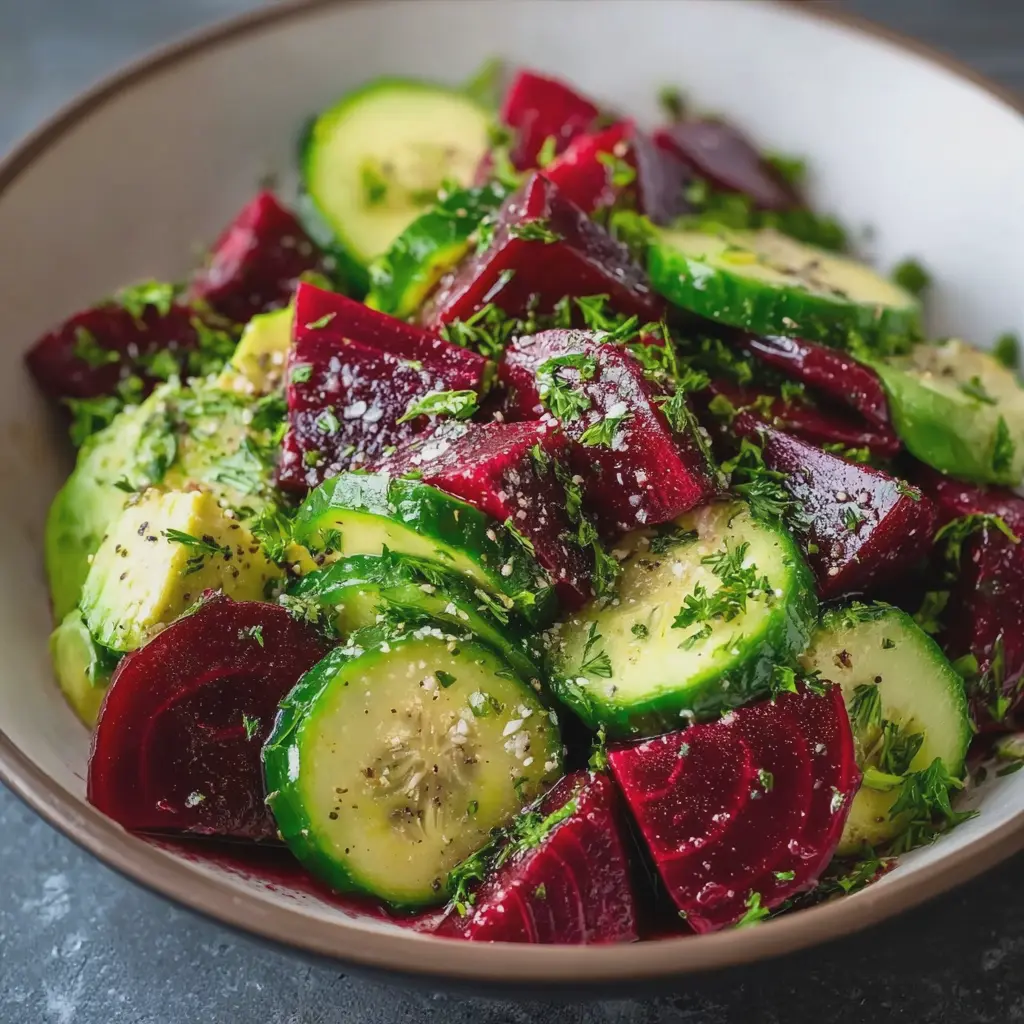
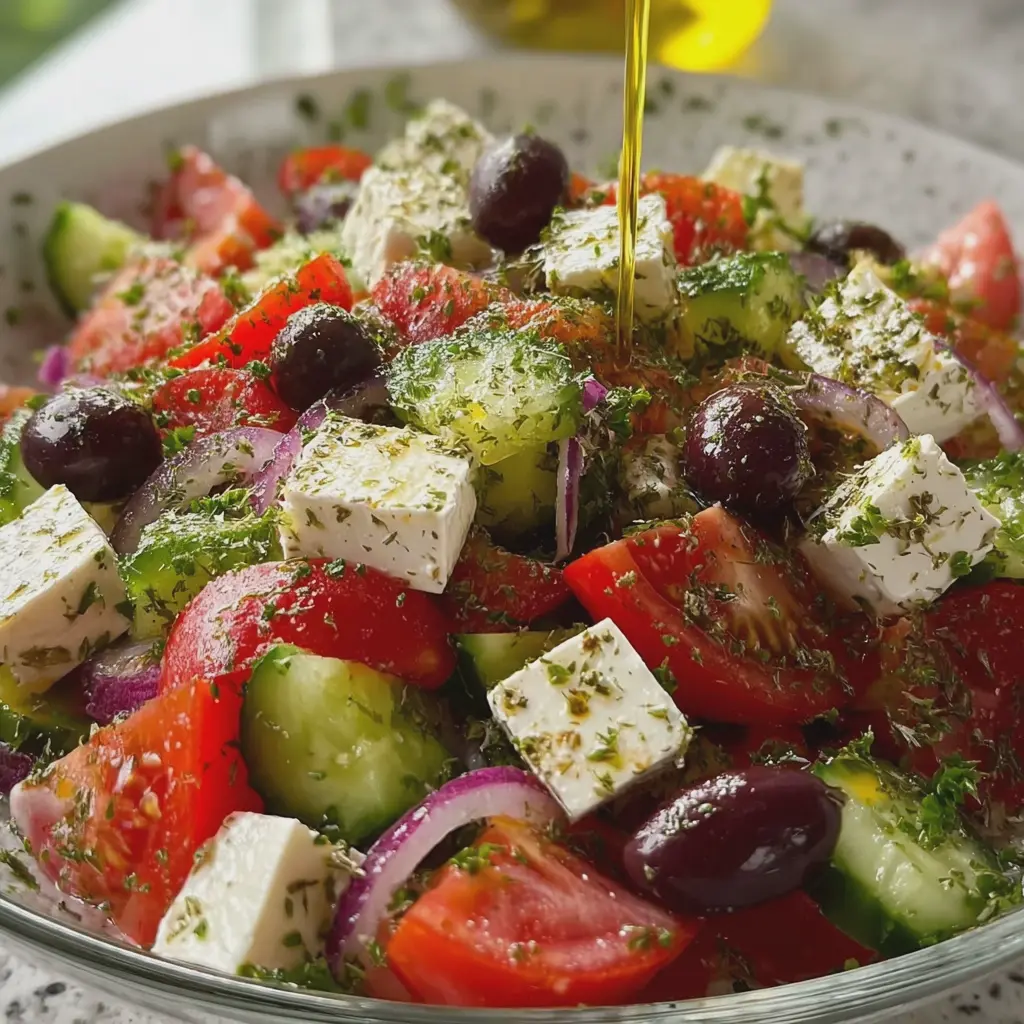
Introduction to Traditional Greek Salad
What is a Traditional Greek Salad?
Imagine a vibrant plate brimming with colorful veggies that not only taste divine but also transport you straight to the sun-soaked shores of the Mediterranean. That’s the magic of a traditional Greek salad. This refreshing dish, known as “Horiatiki,” is the epitome of simplicity and flavor, embodying the essence of Greek cuisine.
A traditional Greek salad typically includes a medley of fresh ingredients:
- Cucumbers: Crunchy and hydrating, they add a refreshing note.
- Tomatoes: Juicy and ripe, the foundation of any good salad.
- Red Onion: Provides a slight sharpness that elevates the dish.
- Olives: Whether Kalamata or green, they deliver a rich, briny flavor.
- Feta Cheese: Crumbled or in blocks, it adds a creamy tang that’s irresistible.
- Extra Virgin Olive Oil: Drizzled generously, this is the heart of the dressing.
- Oregano: A sprinkle enhances the aroma and pays homage to Greek tradition.
What’s even more fascinating is the history behind this salad. Traditionally served in every taverna, it reflects the local produce and flavors of Greece, making it both a cultural staple and a nutritional powerhouse. According to a USDA report on Mediterranean diets, consuming salads rich in vegetables supports heart health and overall wellness.
Now, you might be wondering: can this dish be customized? Absolutely! While the classic version is fantastic on its own, feel free to experiment with ingredients. For instance, adding Turkey Bacon for a savory crunch or even Chicken Ham can take this salad to the next level, making it the perfect meal for young professionals looking to balance flavor and health.
What’s great about this traditional Greek salad is its versatility. Pair it with grilled chicken or serve it as a side at BBQs. Not only does it make for a hearty option, but it’s also a fantastic meal prep choice, keeping well in the fridge for a quick, nutritious lunch throughout the week.
Whether you’re looking to impress friends or just enjoy a delightful dish, a traditional Greek salad is the way to go!
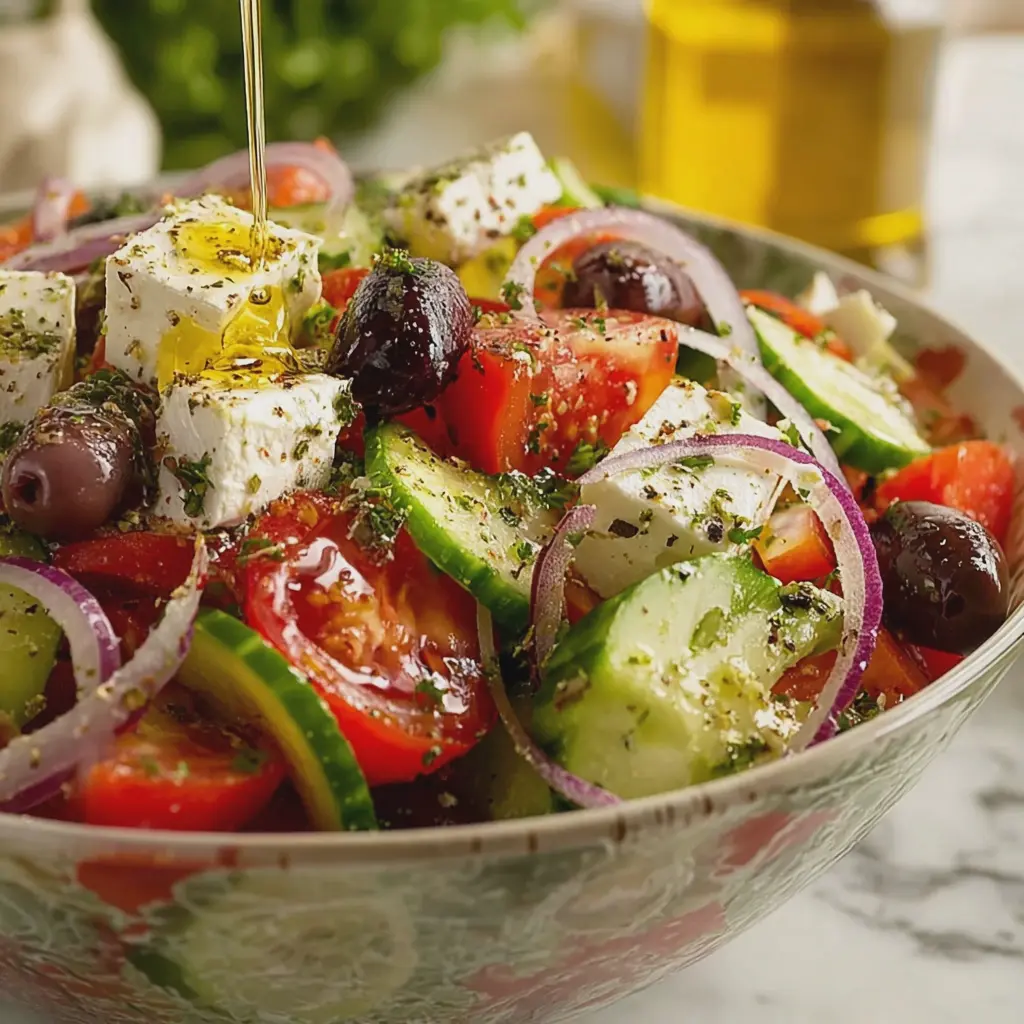
Ingredients for Traditional Greek Salad
Creating a vibrant traditional Greek salad at home is simple and rewarding. The freshness of ingredients is what makes this dish a crowd-pleaser, perfect for a summer lunch or a side dish at dinner. Here’s what you’ll need:
- Tomatoes: Use ripe, juicy tomatoes, preferably heirlooms or vine-ripened for maximum flavor.
- Cucumbers: Crunchy cucumbers add a refreshing texture. Opt for English cucumbers if you can find them!
- Red Onion: A thinly sliced red onion packs a bit of zing, balancing the other flavors beautifully.
- Bell Peppers: Brighten your salad with colorful bell peppers; green or red work great.
- Olives: Kalamata olives are traditional; their rich taste enhances the salad significantly.
- Feta Cheese: No Greek salad is complete without a generous crumble of feta for that creamy, salty essence.
- Herbs: Fresh oregano or dill will elevate your salad, adding herbal brightness.
- Olive Oil: Drizzle high-quality extra virgin olive oil to tie everything together.
- Lemon Juice: A splash of freshly squeezed lemon juice brings a tangy finish that brightens the entire dish.
This combination creates a traditional Greek salad that’s bursting with flavor and nutrients. Enjoy the process of making it; it’s all about celebrating fresh ingredients! For further inspiration, check out this Olive Oil Guide or discover more about the health benefits of olives here.
Preparing Traditional Greek Salad
Creating a traditional Greek salad is not just about combining ingredients; it’s about bringing a taste of Greece to your table. Bursting with fresh flavors and vibrant colors, this dish is both simple to prepare and wonderfully satisfying. Let’s take a step-by-step approach to crafting this Mediterranean delight.
Wash and Prepare the Vegetables
Start by gathering all your fresh ingredients. For an authentic traditional Greek salad, you’ll need:
- Ripe tomatoes
- Crunchy cucumbers
- Bell peppers (red or green is fine)
- Red onion
- Kalamata olives
- Feta cheese
Before you dive into chopping, make sure to rinse all the vegetables under cold water to remove any dirt or residues. It’s a simple yet important step that ensures you enjoy the freshest flavors. After washing, dry them off gently with a clean kitchen towel. You wouldn’t want excess water diluting your delicious vinaigrette later on!
Chop the Tomatoes and Cucumbers
Next, let’s tackle those tomatoes and cucumbers. For the tomatoes, aim to use a variety such as vine-ripened or heirloom for the best flavor. Dice the tomatoes into bite-sized pieces—about one-inch chunks will do. For cucumbers, it’s best to peel them (though some prefer to leave the skin on for added texture!) and then slice them lengthwise before cutting them into half-moons.
Consider the fact that according to a study published by the Journal of Agricultural and Food Chemistry, the more vibrant your tomatoes are, the more antioxidants they contain. So choose deep red ones if you can!
Slice the Bell Pepper and Onion
Now it’s time for the bell pepper and onion. Slice the bell pepper into thin strips; this adds a nice crunch and sweetness to your traditional Greek salad. When it comes to the onion, aim for a perfect sliver—this will help integrate the flavor without overwhelming the salad. If you’re sensitive to raw onion, soaking the slices in a bit of cold water for 10 minutes can help mellow the flavor.
Did you know that sweet onions have more sugar content than regular onions? Choosing the right type can really enhance your dish’s overall taste.
Combine the Vegetables in a Bowl
Once all your veggies are chopped and ready, it’s time to bring them together! Grab a large salad bowl and toss in your chopped tomatoes, cucumbers, bell peppers, and onions. At this point, don’t forget to add a generous handful of Kalamata olives. Their rich, briny flavor is a hallmark of any authentic Greek salad.
Gently mix the vegetables using a salad spoon, being careful not to crush them. This is not just any salad—it’s a traditional Greek salad, after all!
Prepare the Dressing and Toss the Salad
For the dressing, simplicity is key. Combine three parts extra virgin olive oil to one part red wine vinegar in a small bowl. Add a pinch of salt, freshly cracked black pepper, and a sprinkle of dried oregano. For an extra touch, feel free to whisk in a teaspoon of Dijon mustard.
Now, drizzle the dressing over your salad and give it a light toss to coat everything evenly. As you do this, add crumbled feta cheese on top. Feta not only ups the flavor but also provides that creamy texture that makes this salad irresistible.
A traditional Greek salad is best served fresh, so enjoy it immediately as part of your mealtime or as a refreshing snack throughout the day. For those looking to pair it with a great meal, consider serving it alongside grilled chicken or fish to make a well-rounded plate. By following these steps, you’ve created not just a dish, but a delicious tradition that transports you to the sun-drenched shores of Greece.
For more tips and variations on classic Mediterranean recipes, you might find inspiration on websites like Serious Eats or Mediterranean Living. Enjoy your culinary adventure!
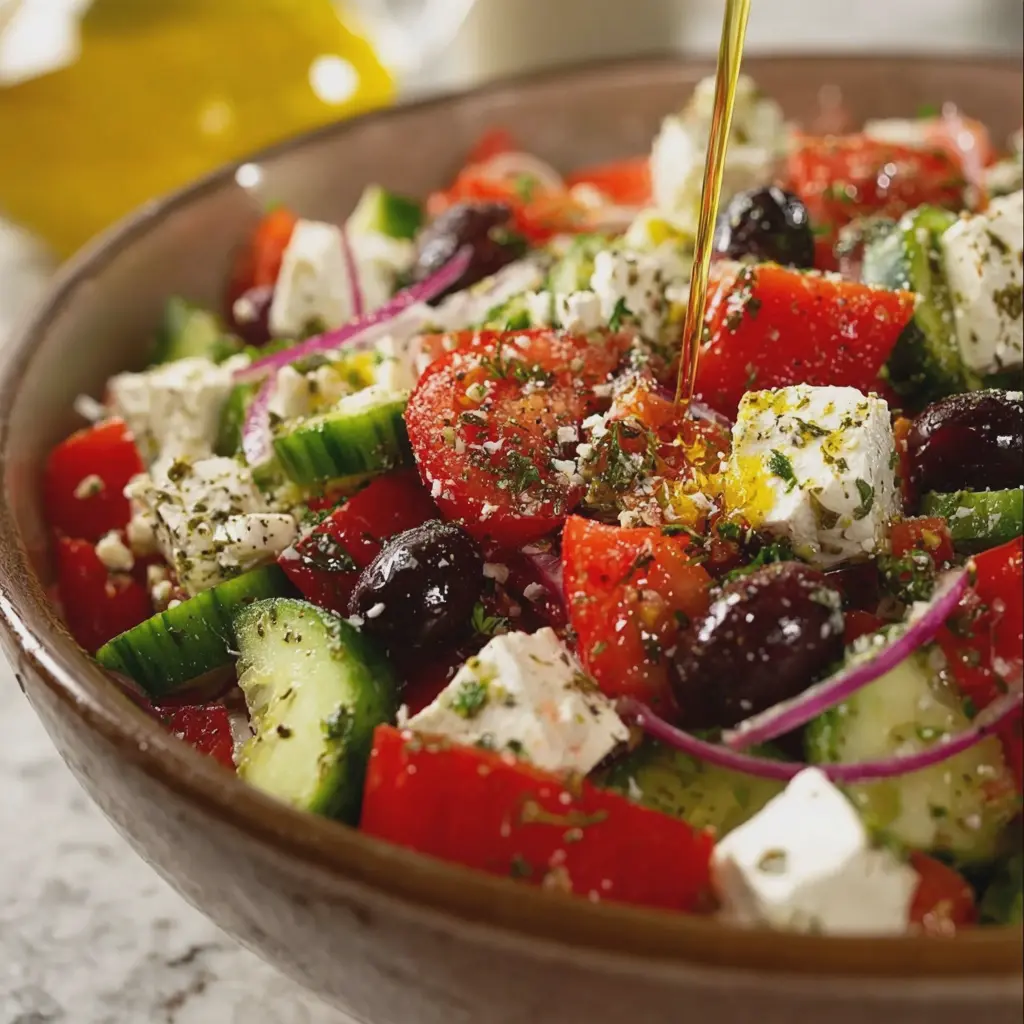
Variations on Traditional Greek Salad
When it comes to traditional Greek salad, there’s so much room for creativity. While the classic version is undeniably delicious, you can easily take it to another level by adding a few extra ingredients or making it heartier. Here are a couple of fantastic variations you might love.
Adding proteins: Grilled chicken or shrimp
One of the simplest ways to enhance your traditional Greek salad is by incorporating proteins like grilled chicken or shrimp. This not only boosts the nutritional value but also transforms your salad into a filling meal.
- Grilled Chicken: Season chicken breasts with lemon juice, oregano, and olive oil, then grill until juicy. Slice and toss it in among your cucumbers, tomatoes, and feta.
- Shrimp: For a seafood twist, marinate shrimp in a garlic-lemon mix and grill them until tender. Their sweet flavor pairs beautifully with the tangy feta and olives.
These additions infuse extra flavor, making your salad a star dish for lunch or dinner.
Transforming it into a grain salad with quinoa
If you’re looking for a nutritious twist, consider making a grain salad with quinoa. This not only provides a pleasing texture but also adds omega-3 fatty acids and protein.
- How to do it: Cook quinoa as per package instructions, let it cool, and then mix it with your traditional Greek salad ingredients. The nutty taste complements the olive oil and vinegar dressing wonderfully.
This variation works incredibly well, especially if you’re meal prepping for the week. Quinoa stays fresh longer and keeps your salad vibrant!
For more ideas, check out HealthyGreek.com for creative takes on traditional recipes. What’s your favorite way to enjoy a Greek salad?
Cooking Tips for Traditional Greek Salad
Crafting the perfect traditional Greek salad is all about the quality of your ingredients and a few simple techniques. Here are some tips to elevate your salad game:
Choose Fresh, Quality Ingredients
- Opt for ripe, juicy tomatoes and while you’re at it, look for seasonal produce. Fresh cucumbers add that delightful crunch, while quality feta cheese will give the salad a rich, creamy texture.
- Consider visiting local farmers’ markets for the best selection.
Dressing Matters
- Make your vinaigrette using high-quality olive oil and fresh lemon juice for a zesty kick. A pinch of oregano and a dash of salt enhance the flavors beautifully. Just remember, less is more—especially with oil!
Texture is Key
- To achieve that delightful balance, cut your vegetables into bite-sized pieces. This way, you ensure that each forkful has an exciting mix of textures.
Personal Touch
- Don’t be afraid to add your flair! Incorporating slices of turkey bacon or chicken ham can create an interesting twist on the classic recipe.
For additional insights, check out this expert guide on Mediterranean ingredients that can enhance your traditional Greek salad! Each ingredient contributes not just flavor but also health benefits, making this dish not just a feast for your taste buds but for your wellbeing too.
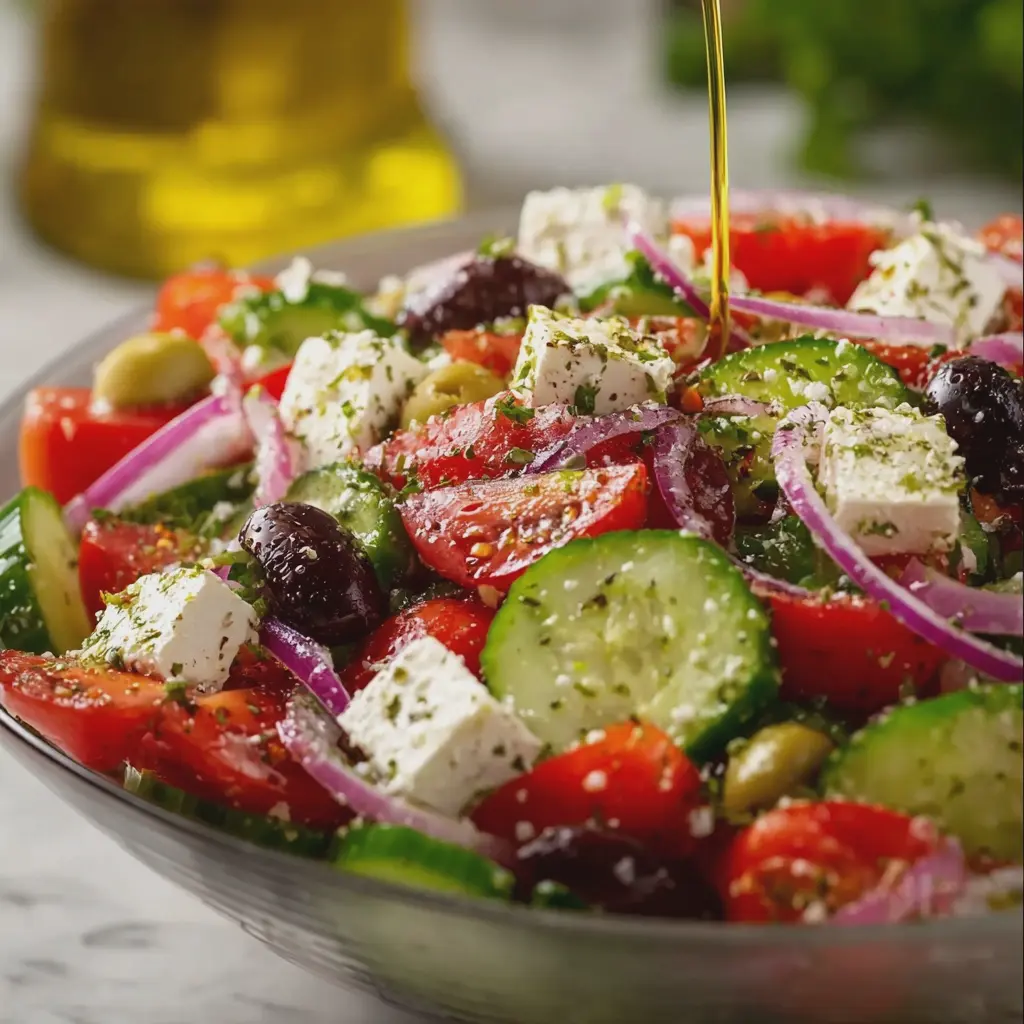
Serving Suggestions for Traditional Greek Salad
When you whip up a delicious traditional Greek salad, you’re creating a vibrant dish that’s as versatile as it is tasty. Let’s explore some serving suggestions to elevate your meal!
Pairing with Proteins
To make your salad a complete meal, consider complementing it with proteins. Here are some options:
- Turkey Bacon: Adding crunchy turkey bacon gives a savory, smoky flavor.
- Chicken Ham: This lean meat can add a delightful heartiness without overpowering the fresh ingredients.
Enjoying Sides
Pair your salad with other Mediterranean delights:
- Pita Bread: Warm, fluffy pita is perfect for scooping up salad.
- Hummus: A side of creamy hummus provides a rich addition that balances the salad’s flavors.
Beverage Choices
While enjoying your traditional Greek salad, think about refreshing non-alcoholic options:
- Sparkling Water: A splash of lemon in sparkling water complements the salad beautifully.
- Iced Herbal Tea: A light, refreshing option that aids digestion and keeps things cool.
Served on its own or combined with these elements, your traditional Greek salad will surely impress. For more ideas, check out this comprehensive guide on Mediterranean cuisine!
Time breakdown for Traditional Greek Salad
Preparation time
Making a traditional Greek salad is a breeze! You can whip it up in just about 15 minutes. All you need are fresh ingredients: ripe tomatoes, crisp cucumbers, tangy feta cheese, and olives, along with some olive oil and herbs to bring it all together. This quick prep time is perfect for busy evenings or a healthy lunch at work.
Total time
From start to finish, your traditional Greek salad will take around 15 to 20 minutes. With minimal cooking involved, you’ll spend more time enjoying this delicious dish than preparing it. It’s an ideal go-to recipe for those who want something fresh and invigorating without dedicating their entire evening to cooking. If you’re looking for a recipe that balances taste and time, look no further!
For more tips on healthy eating, check out resources like The Mediterranean Diet or EatingWell. These can offer insights into how incorporating salads like this one can enrich your diet.
Nutritional facts for Traditional Greek Salad
Calories
A serving of traditional Greek salad typically contains around 150 calories, making it a great choice for a light meal or refreshing side dish. What’s exciting about this dish is that it delivers flavor without the heavy calorie load, allowing you to enjoy a delicious meal without the guilt.
Macronutrients
When it comes to macronutrients, traditional Greek salad shines brightly:
- Protein: Approximately 4 grams, thanks to the presence of feta cheese and olives.
- Fats: Around 10 grams, mainly from healthy olive oil and olives, which provide heart-healthy monounsaturated fats.
- Carbohydrates: Roughly 8 grams, primarily from vegetables.
Wouldn’t you agree that a colorful medley of veggies can pack such a nutritious punch? If you want to learn more about balancing your meals and incorporating more nutrient-dense foods, I recommend checking out resources like the USDA’s Food Data Central for reliable nutrition facts. By enjoying dishes like traditional Greek salad, you’re not just nurturing your body, but also embracing a lifestyle rich in flavor and vitality.
FAQs about Traditional Greek Salad
How can I make my Greek salad more filling?
If you’re looking to transform your traditional Greek salad into a heartier meal, consider adding protein-packed ingredients. Grilled chicken breast, chickpeas, or even some turkey bacon can be excellent options. These additions not only enhance the flavor but also provide extra nutrients. Another great idea is to toss in some quinoa or farro for a delightful chewy texture that makes the salad more satisfying. Finally, a sprinkle of nuts or seeds can give that extra crunch you crave!
Can I make a Greek salad ahead of time?
Absolutely! One of the best things about a traditional Greek salad is that it can be made in advance and still taste fantastic. To ensure it stays fresh, prepare the ingredients like cucumbers, tomatoes, and olives a few hours before serving. Just keep the dressing and feta cheese separate until you’re ready to eat. This way, your salad remains crisp and delicious!
What are the health benefits of eating Greek salad?
Eating a traditional Greek salad comes with numerous health benefits. Packed with fresh vegetables, it provides an abundance of vitamins and minerals. The olive oil used in the dressing is rich in healthy fats, which are great for your heart. Studies show that consuming a Mediterranean diet can reduce the risk of chronic diseases (check out Harvard Health for more info). Plus, the fiber from the vegetables and any legumes you include helps with digestion and keeps you feeling full. Enjoying this vibrant salad can be a tasty step towards a healthier lifestyle!
Conclusion on Traditional Greek Salad
In summary, traditional Greek salad is the perfect dish for anyone seeking vibrant flavor and nourishing ingredients. This Mediterranean classic is not only easy to prepare, but it also brings together the freshest vegetables, creamy feta cheese, and a drizzle of olive oil for an unmatched culinary experience.
Benefits of Enjoying Traditional Greek Salad
- Nutritious: Packed with vitamins and healthy fats.
- Versatile: Perfect as a side or a main dish.
- Quick: Ready in under 15 minutes!
Making a traditional Greek salad can elevate any meal and is a wonderful way to share a taste of Greece with friends and family. For those interested in the origins of this dish, check out GreekCuisine.com for more cultural insights. Elevate your dining table with this delightful recipe!
Print
Traditional Greek Salad: The Best Fresh Flavor You’ll Love
- Total Time: 15 minutes
- Yield: 4 servings
- Diet: Vegetarian
Description
A refreshing and flavorful salad featuring classic Greek ingredients.
Ingredients
- 2 cups chopped cucumbers
- 1 cup cherry tomatoes, halved
- 1 cup Kalamata olives
- 1 cup red onion, sliced
- 1 cup feta cheese, crumbled
- 1/2 cup extra virgin olive oil
- 2 tablespoons red wine vinegar
- 1 teaspoon dried oregano
Instructions
- In a large bowl, combine chopped cucumbers, cherry tomatoes, olives, and red onion.
- In a small bowl, whisk together olive oil, red wine vinegar, and oregano.
- Pour the dressing over the salad and toss gently to combine.
- Top with crumbled feta cheese.
- Serve immediately or let it marinate for a few minutes to enhance flavors.
Notes
- For extra flavor, add a squeeze of lemon juice before serving.
- Prep Time: 15 minutes
- Category: Salad
- Method: Raw
- Cuisine: Greek
Nutrition
- Serving Size: 1 cup
- Calories: 250
- Sugar: 3g
- Sodium: 600mg
- Fat: 22g
- Saturated Fat: 5g
- Unsaturated Fat: 15g
- Trans Fat: 0g
- Carbohydrates: 10g
- Fiber: 3g
- Protein: 6g
- Cholesterol: 20mg