Introduction to Ossobuco Milanese
What is Ossobuco Milanese?
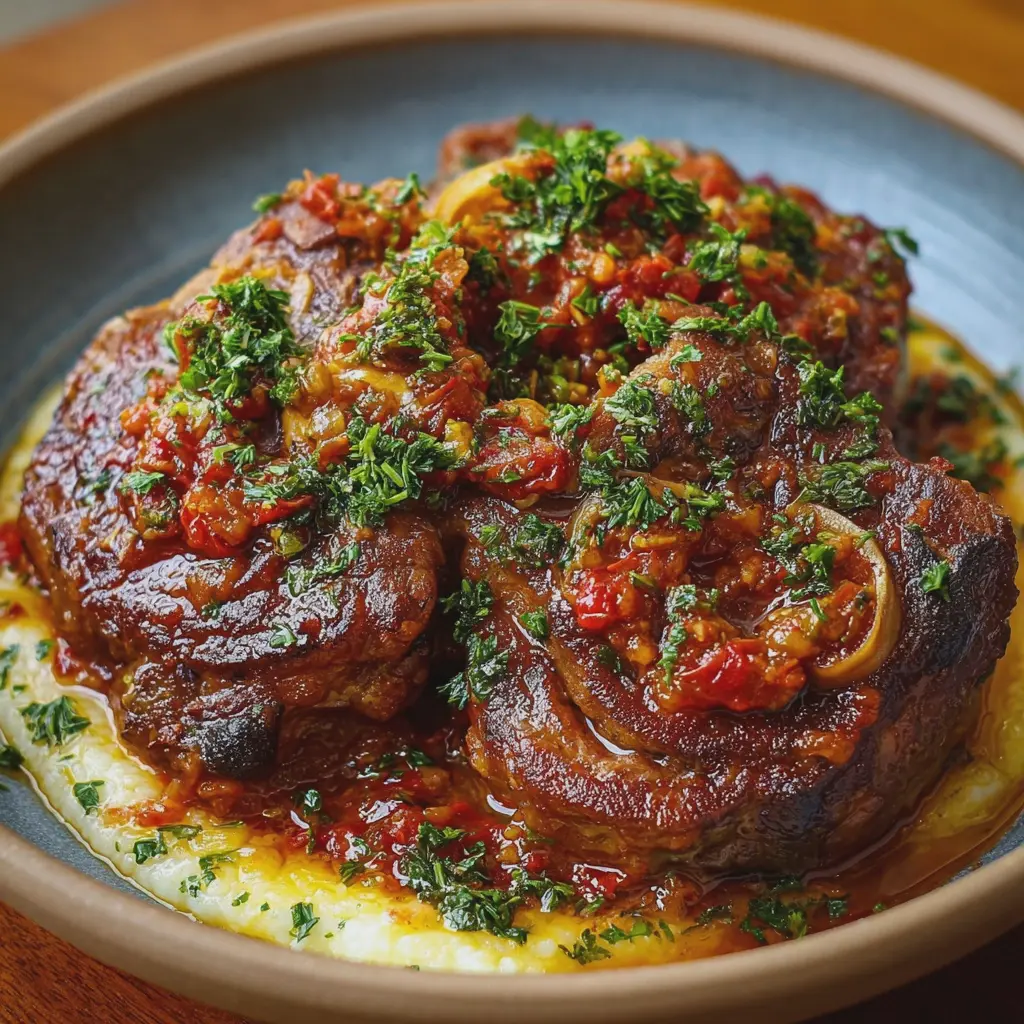
Ossobuco Milanese is a traditional Italian dish that features braised veal shanks, often served with a classic gremolata — a zesty mix of lemon zest, garlic, and parsley. The name “ossobuco” translates to “bone with a hole” in Italian, referring to the marrow-filled bone in the center of the shank. This dish is a delightful blend of savory flavors, tender meat, and a rich, hearty sauce that makes it perfect for a cozy evening at home.
A Brief History and Cultural Significance
Originating from Milan, Ossobuco Milanese has been a culinary staple since the 19th century. Traditionally, it was a dish for special occasions, reflecting the Italian passion for slow-cooked meals that bring families together. The use of veal shanks showcases the resourcefulness of Italian cooks who made the most of available ingredients, turning less desirable cuts into gastronomical delights. Today, this dish is not just confined to Milan; it has become beloved worldwide, appearing in restaurants and home kitchens alike. If you’re curious about the cultural aspect, check out this detailed history of Ossobuco to understand its evolution and significance further.
Why Make Ossobuco at Home?
Making Ossobuco Milanese at home can be a rewarding experience for both novice cooks and seasoned chefs alike. Here are a few reasons to try it out:
- Rich Flavors: When left to simmer, the veal becomes tender while the flavors meld beautifully, resulting in a meal that will impress your friends and family.
- Bonding Time: Cooking this dish is a fantastic opportunity for quality time, whether you’re in the kitchen solo or sharing the experience with loved ones.
- Customizable: You can tweak the recipe to match your taste preferences, perhaps substituting in some seasonal veggies to create a unique twist.
So roll up your sleeves and get ready for an immersive cooking experience! Making Ossobuco Milanese not only fills your home with delicious aromas, but it also connects you to a rich culinary heritage.
Ingredients for Ossobuco Milanese
Essential ingredients breakdown
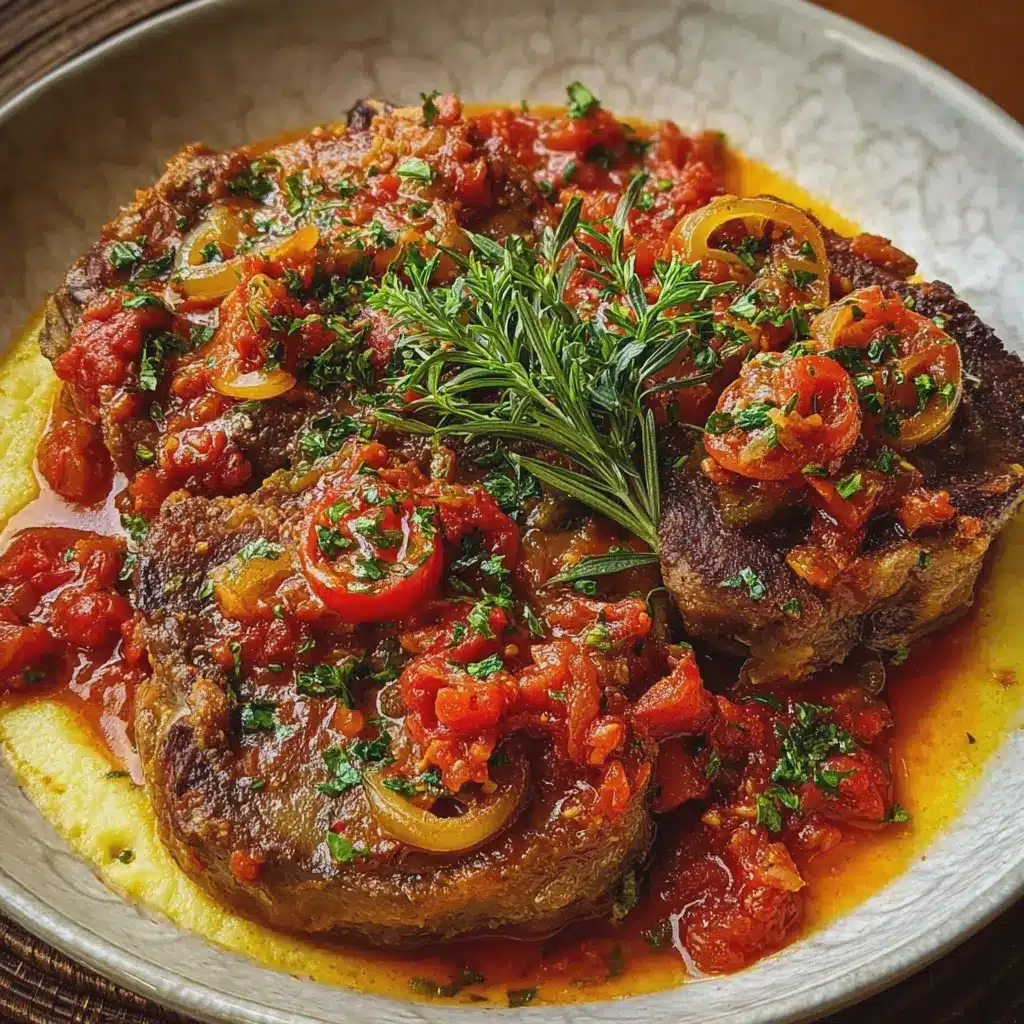
When whipping up an authentic Ossobuco Milanese, it’s all about the quality of your ingredients. Here’s what you’ll need:
- Veal Shanks: The star of the dish, these should ideally be cross-cut shanks with a generous marrow bone in the center.
- Turkey Bacon: To add a depth of flavor, you can substitute traditional options with this leaner variant, lowering fat content without sacrificing taste.
- Carrots: Fresh and finely diced, they introduce sweetness to balance the rich meat.
- Celery & Onion: These aromatics form the base of your soffritto, imparting rich undertones.
- Chicken Broth: A great alternative to wine, it provides moisture and contributes to the robust flavor of your sauce.
The importance of quality veal shanks
The quality of your Ossobuco Milanese heavily relies on the veal shanks you choose. It’s worthwhile to seek out ethically sourced veal, as this not only ensures better flavor but also supports sustainable farming practices. Opt for a cut that’s well-marbled; the fat will render down during cooking, creating a delightful tenderness that simply melts in your mouth. Check local butchers or high-quality grocery stores for the best options. For more information on selecting quality meats, you can visit the USDA website. Quality ingredients truly make all the difference in this timeless Italian dish—don’t skimp here!
Step-by-step preparation of Ossobuco Milanese
When you want to impress your friends or family with a classic Italian dish, Ossobuco Milanese should definitely be on your radar. The dish, known for its tender veal shanks simmered in rich flavors, can be an exquisite centerpiece for any meal. Let’s dive into the preparation step-by-step, so you can enjoy this culinary masterpiece.
Prepare the veal shanks
The first step to a fantastic Ossobuco Milanese is sourcing the star ingredient: veal shanks. Look for cuts that are about 1.5 to 2 inches thick, with a good amount of marrow visible in the bone. The marrow imparts a delicious flavor, elevating the dish. Before cooking, pat the shanks dry with paper towels to remove excess moisture. This helps in achieving a golden-brown crust during searing, which is essential for flavor.
Seasoning and dredging in flour
Next, it’s time to season the veal shanks generously with salt and black pepper. Don’t be shy—this is where the flavor begins! After seasoning, take some all-purpose flour and place it on a plate. Dredge each shank in the flour, ensuring an even coat. This not only adds a slight crust but also helps to thicken the sauce later on as it cooks.
Searing the veal shanks
Now onto the cooking magic—heat about 2 tablespoons of olive oil in a heavy-bottomed pot over medium-high heat. Once it’s shimmering, carefully add the veal shanks, letting them sear undisturbed for about 4-5 minutes on each side. The goal here is to create a lovely brown crust that locks in those savory juices. If the shanks don’t fit comfortably in the pot, consider doing this in batches. Once browned, remove them and set aside.
Sautéing the aromatics
With the shanks resting, turn the heat down to medium and add another tablespoon of olive oil to the pot, followed by chopped onions, carrots, and celery. This aromatic trio is known as soffritto in Italian cooking and makes for a flavorful base. Sauté for about 5-7 minutes until they soften and start to caramelize. You might want to scrape the bottom of the pot to get those tasty bits incorporated into your dish—trust me; it’s worth it!
Building the sauce
For the sauce, add a couple of cloves of minced garlic to the pot and sauté for an extra minute. Then, add a splash of chicken broth and bring it to a simmer. This builds depth and balances the flavors. You can also toss in some fresh herbs like thyme or a bay leaf for additional aroma.
Simmering the Ossobuco
At this point, return the veal shanks to the pot, ensuring they are nestled in the sauce. Cover with a lid, reduce the heat to low, and allow it to simmer for about 1.5 to 2 hours. The meat will become incredibly tender and almost fall off the bone. Make sure to turn the shanks occasionally so they soak in all those flavors evenly.
Making the Gremolata
While your Ossobuco Milanese simmers away, take a moment to prepare the gremolata, a fresh herb condiment that brightens up the dish. In a small bowl, combine finely chopped parsley, lemon zest, and minced garlic. This adds a zesty contrast to the rich veal and is an essential component of authentic Ossobuco.
Plating the dish
Finally, once your shanks are tender and the sauce has thickened beautifully, it’s time to plate! Serve each shank with a generous ladle of sauce over the top. Sprinkle with the gremolata for that finishing touch of freshness. Pair it with creamy polenta or risotto to soak up all those rich flavors.
There you have it—the perfect step-by-step guide to mastering Ossobuco Milanese. With a little time and care, you’ll have a dish that not only looks impressive but tastes incredible. Enjoy and buon appetito!
Variations on Ossobuco Milanese
Exploring the world of Ossobuco Milanese can be an exciting adventure. While the classic version is delicious, there’s much room for creativity and personalization. Here are some variations to consider that can elevate this classic Italian dish to new heights.
Classic Ossobuco Variations
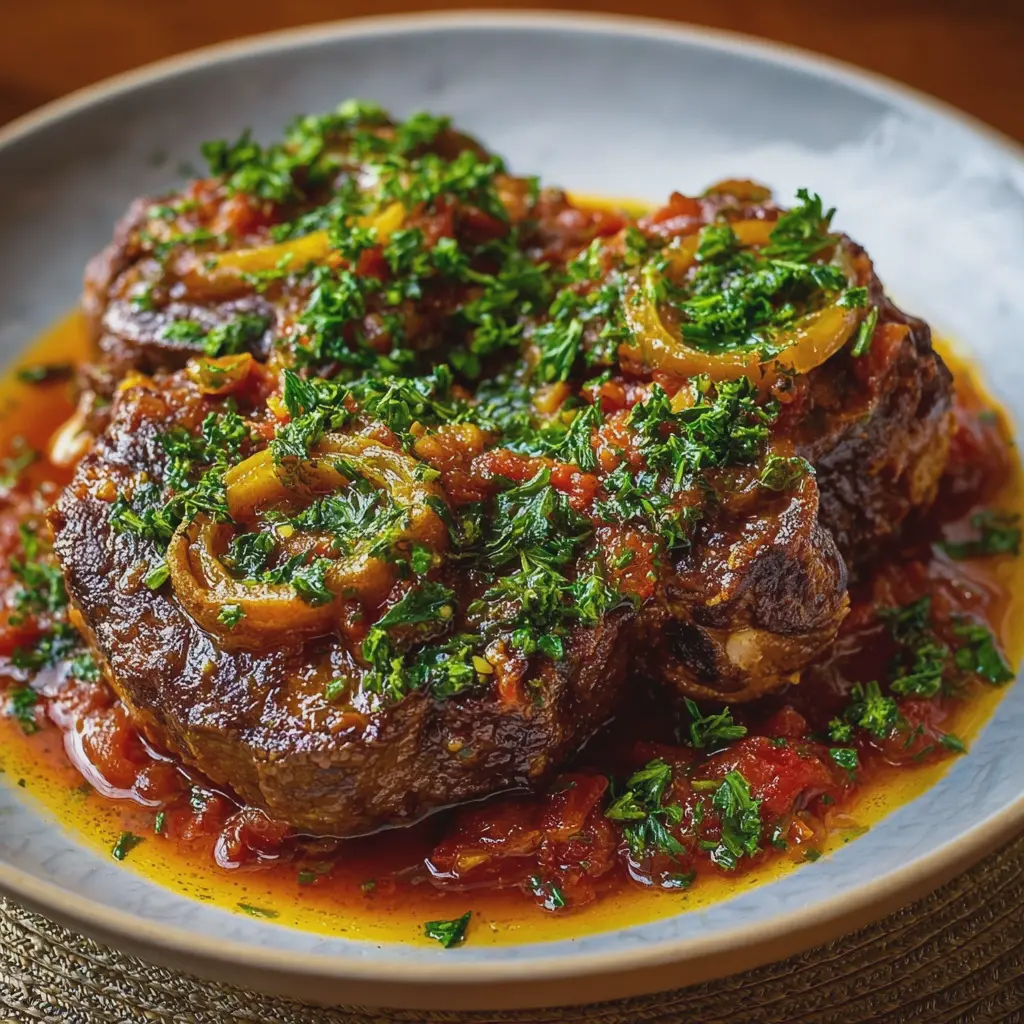
The traditional Ossobuco Milanese features braised veal shanks, typically served with gremolata and risotto. However, you can create variations by:
- Choosing Different Cuts of Meat: Try using beef shanks for a heartier flavor or even chicken legs for a lighter option.
- Changing the Cooking Liquid: Instead of broth, consider using vegetable stock or even a rich tomato sauce for a twist on the flavor profile.
For more inspiration, check out this guide on classic Italian cuisine.
Creative Twists to Consider
Don’t shy away from modern takes on this dish! Consider these innovative ideas:
- Add Spices: Incorporate spices like cumin or coriander for an unexpected flavor punch.
- Serve Over Unique Bases: Instead of risotto, try serving Ossobuco over quinoa or a bed of fresh, steamed vegetables.
Do you crave a dish that packs a flavor punch? Try combining flavors from regional cuisines, perhaps by using turkey bacon or chicken ham for added richness.
Vegetarian Alternatives
For those who prefer plant-based meals, fear not! You can create a vegetarian Ossobuco by using hearty veggies or plant-based proteins. Consider:
- Mushroom Shanks: Portobello mushrooms can mimic the texture of meat while absorbing flavors beautifully.
- Cauliflower Steaks: Braise thick slices in a flavorful broth for a satisfying meal.
If you’re looking for reputable vegetarian cooking methods, check out expert insights on Plant-Based diets.
Embarking on this culinary journey will not only refine your cooking skills but also impress your dinner guests. Explore the myriad of options when whipping up this classic Italian dish, and don’t hesitate to make it your own!
Cooking tips and notes for Ossobuco Milanese
How to ensure tender meat
For a mouthwatering Ossobuco Milanese, the key lies in selecting cuts of meat that boast a good amount of marbling. Look for veal shanks, ideally with the bone still in, as this not only adds flavor but also helps maintain moisture. Cooking slowly over low heat is crucial; this allows the collagen in the meat to break down, resulting in that irresistible tenderness. Consider starting with a sear on high heat, then reduce the temperature and let it gently simmer with your favorite broth or stock.
Choosing the right pot
The right pot can make all the difference when preparing your Ossobuco Milanese. A heavy-bottomed Dutch oven is ideal for even heat distribution, ensuring no scorching occurs. Look for one that has a tight-fitting lid to lock in moisture. For more tips about cookware that excels in slow cooking, check out this guide. And remember, a pot that’s too large will lead to evaporation, while one that’s too small will cause overcrowding, so find that perfect balance!
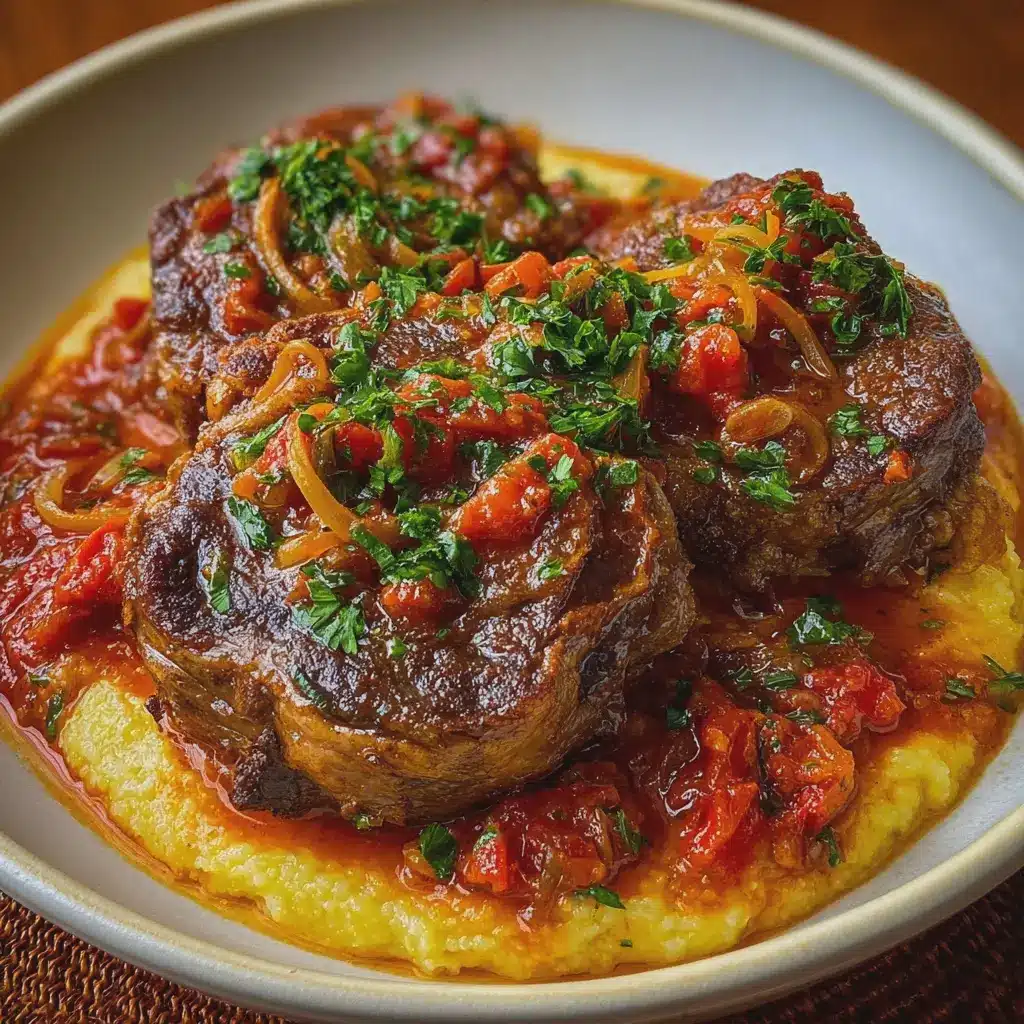
Serving Suggestions for Ossobuco Milanese
When it comes to Ossobuco Milanese, perfecting the dish is just the first step. The meal truly comes alive with the right sides.
Traditional Sides
The classic approach to serving Ossobuco includes:
- Risotto alla Milanese: This creamy saffron-infused rice not only complements the rich flavors of the ossobuco but also offers a delightful contrast in texture.
- Polenta: A smooth, buttery polenta works incredibly well to soak up the delicious sauce from the braised veal shanks.
- Gremolata: A fresh mix of parsley, garlic, and lemon zest adds brightness, cutting through the richness.
If you want to dive deeper into traditional Italian sides, consider exploring resources like The Spruce Eats.
Modern Pairings to Consider
Looking to spice things up? Here are some modern alternatives:
- Roasted Vegetables: A medley of seasonal veggies adds color and nutrients to your plate.
- Garlic Mashed Potatoes: These creamy spuds can be a comforting twist that pairs wonderfully with the meat.
- Cauliflower Rice: For a lighter option, this healthful substitute maintains a satisfying texture and absorbs the savory sauce beautifully.
Just imagine savoring your Ossobuco Milanese next to a side that elevates the entire meal experience. Whether you stick with tradition or embrace modern flair, this dish is sure to impress!
Time breakdown for Ossobuco Milanese
Preparation time
To kick things off, you’ll want to allocate about 15-20 minutes for preparation. This includes gathering your ingredients, chopping the vegetables, and seasoning your ossobuco. Taking the time to prep ensures a smoother cooking experience.
Cooking time
Now, for the main event: the cooking! Plan on spending around 2 hours simmering your dish. This slow cooking is crucial—it helps develop those rich flavors and tenderizes the veal shanks to perfection.
Total time
In total, you’re looking at approximately 2 hours and 15 minutes. While that might sound lengthy, most of that time is hands-off, allowing you to relax or set the table. Who wouldn’t want to savor the aroma of Ossobuco Milanese wafting through the kitchen?
For more tips on perfecting your ossobuco, check out this insightful guide from Serious Eats.
Nutritional facts for Ossobuco Milanese
When indulging in the deliciousness of Ossobuco Milanese, it’s good to be aware of the nutritional benefits you’re enjoying. Here’s a breakdown that helps you stay informed.
Calories per serving
A standard serving of Ossobuco Milanese typically contains around 350 to 450 calories. This makes it a satisfying meal without tipping the scales too much, especially if paired with a fresh salad or steamed vegetables.
Protein content
You’ll be pleased to find that Ossobuco Milanese is a fantastic source of protein, with each serving providing approximately 30 grams. This is great for muscle repair and overall health.
Other nutrients to note
Beyond protein, Ossobuco Milanese is rich in essential nutrients:
- Iron: Vital for blood health and energy levels.
- Zinc: Supports your immune function.
- Vitamin B12: Great for nerve function and energy.
For more detailed nutritional insights, resources like the USDA FoodData Central can be invaluable. Embrace this classic dish in moderation, and relish in the balance of flavor and nutrition!
FAQs about Ossobuco Milanese
Can I use beef shanks instead of veal?
Absolutely! While traditional ossobuco Milanese is made with veal shanks, beef shanks can be a perfect alternative if you prefer a more robust flavor or want to use what you have on hand. Just keep in mind that beef may require a longer cooking time to become tender. The key is to ensure the shank is well-braised, allowing the meat to become melt-in-your-mouth delicious.
What can I substitute for beef broth?
If you’re looking for a substitute for beef broth in your ossobuco Milanese, consider using chicken broth or vegetable broth. Both options will add a nice depth of flavor without overshadowing the richness of the dish. For a more intense flavor, you can enhance your broth with fresh herbs or a splash of lemon juice. A nifty trick is to use homemade broth when possible, as it can significantly boost the overall taste of your dish.
How to store and reheat leftovers?
Storing leftovers from your ossobuco Milanese is straightforward and ensures you can enjoy it later. Place the dish in an airtight container, refrigerate, and it should last for up to three days. To reheat, gently warm the ossobuco on the stovetop over medium heat, adding a splash of broth or water if it seems dry. This not only revives the flavors but also prevents the meat from becoming tough. Want to learn more about proper storage techniques? Check out this food safety guide!
No matter how you make it or when you serve it, ossobuco Milanese is a meal that’s sure to impress—both fresh and as leftovers!
Conclusion on Ossobuco Milanese
Encourage Yourself to Make Ossobuco Milanese at Home
Now that you’re familiar with the rich flavors and comforting aromas of Ossobuco Milanese, why not take the plunge and make it at home? Cooking can be a delightful adventure, transforming simple ingredients into a dish that warms the soul. With the right technique and a touch of patience, you’ll impress not just yourself, but also friends and family.
Savoring Homemade Meals
There’s a unique pleasure in enjoying homemade meals. The experience is not just about the taste; it’s the connection you build in the kitchen and the joy of sharing delicious food with loved ones. Every bite of your Ossobuco Milanese will remind you of the love and effort you put into it. Trust me, it’s worth it. For more inspiration on Italian cuisine, check out resources like Eater or Serious Eats. Happy cooking!
Print
Ossobuco Milanese: A Hearty and Indulgent Comfort Dish at Home
- Total Time: 3 hours 20 minutes
- Yield: 4 servings
- Diet: Gluten-Free
Description
Ossobuco Milanese is a classic Italian dish known for its rich flavors and tender meat, perfect for a comforting meal.
Ingredients
- 4 veal shanks
- 1 cup white wine
- 1 onion, diced
- 2 carrots, diced
- 2 celery stalks, diced
- 3 cloves garlic, minced
- 1 can of diced tomatoes
- 2 cups beef broth
- 2 tablespoons olive oil
- 1 teaspoon dried thyme
- 1 teaspoon bay leaves
- Salt and pepper to taste
Instructions
- Heat olive oil in a large pot over medium heat.
- Season veal shanks with salt and pepper, then brown on all sides.
- Add onion, carrots, celery, and garlic, cooking until softened.
- Pour in white wine and simmer until reduced.
- Add tomatoes, beef broth, thyme, and bay leaves.
- Cover and cook on low heat for 2-3 hours, until meat is tender.
- Serve with gremolata and risotto.
Notes
- For best results, let the dish sit for a few hours before serving to enhance the flavors.
- Prep Time: 20 minutes
- Cook Time: 3 hours
- Category: Main Course
- Method: Braised
- Cuisine: Italian
Nutrition
- Serving Size: 1 shank
- Calories: 450
- Sugar: 3g
- Sodium: 600mg
- Fat: 20g
- Saturated Fat: 6g
- Unsaturated Fat: 12g
- Trans Fat: 0g
- Carbohydrates: 8g
- Fiber: 2g
- Protein: 50g
- Cholesterol: 120mg