Introduction to Greek Moussaka
What is Greek Moussaka?
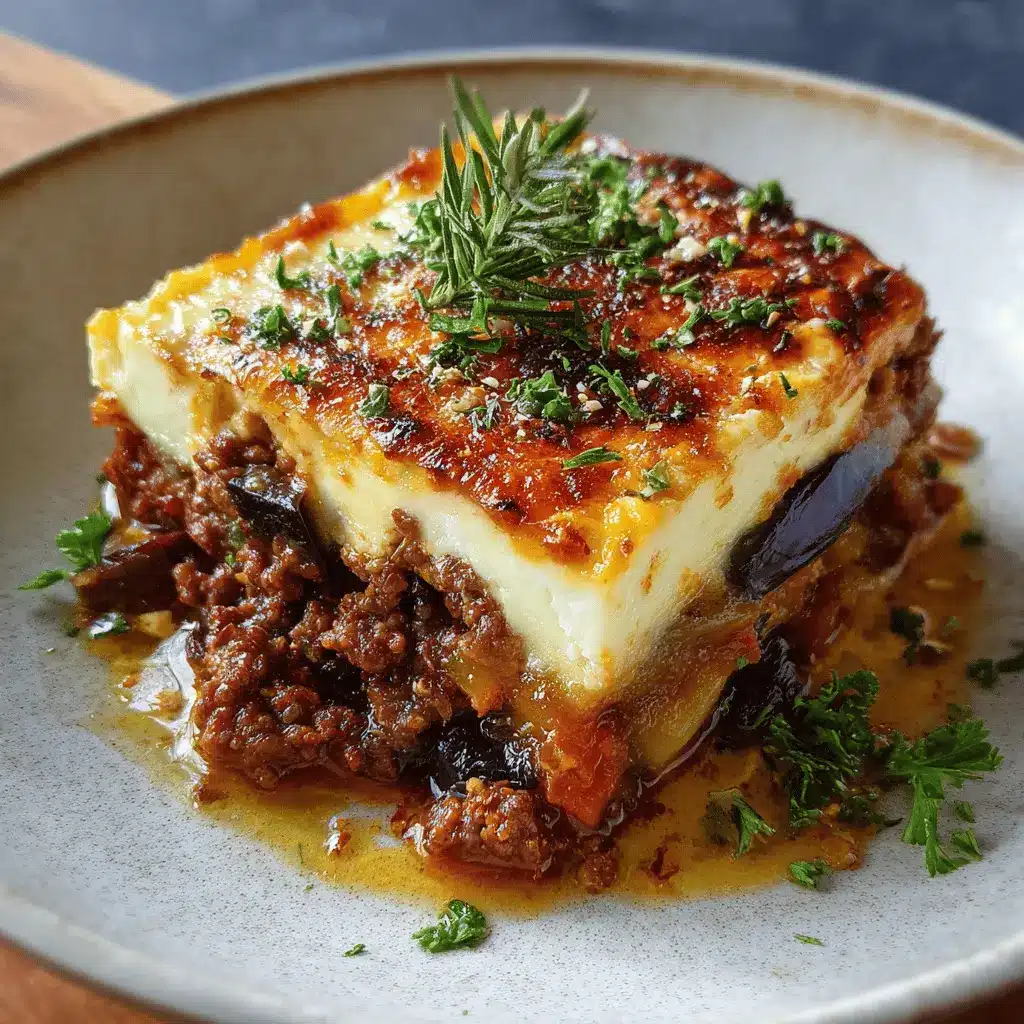
Greek Moussaka is a classic dish that captures the heart and soul of Mediterranean cuisine. Imagine layers of eggplant, seasoned ground beef, and a rich béchamel sauce, all baked to perfection. Traditionally, this comforting dish originates from Greece but is celebrated across the Balkans and Middle Eastern countries, each adding its unique twist. If you’ve ever wondered how such a delicious meal comes together, it’s all about the layers—much like a culinary lasagna. Often, Moussaka features roasted eggplant and sometimes potatoes, which not only give it depth but also contribute to a satisfying blend of flavors. This dish certainly deserves a spot on your dinner table.
Why make your own moussaka?
So, why should you roll up your sleeves and create your own Moussaka at home? Here are a few compelling reasons:
-
Fresh Ingredients: When you prepare Moussaka yourself, you can choose only the freshest ingredients, ensuring a vibrant flavor profile. Think ripe tomatoes and fresh herbs enhancing your dish, as noted by culinary experts from the Mediterranean Diet Foundation.
-
Customization: Making your own version allows you to tailor ingredients to your preferences. Want to swap the beef for turkey or add some extra veggies? Go for it!
-
Culinary Connection: There’s something incredibly rewarding about cooking from scratch. It not only nurtures your creativity but can also be a fantastic way to relax after a long day. Plus, gathering friends or family around to enjoy this hearty dish can create lasting memories.
-
Healthier Choices: Homemade Moussaka gives you control over nutritional content. By using lean beef or turkey bacon instead of richer meats, you can create a healthier version without sacrificing flavor.
Making your own Greek Moussaka is not just about following a recipe; it’s about experiencing the joy of cooking, sharing meals, and enjoying the rich flavors of Greece right in your own kitchen. So, ready to dive into this delectable culinary adventure?

Ingredients for Greek Moussaka
Creating a delectable Greek Moussaka starts with understanding its essential components. Here’s a breakdown to guide you through the process!
Key ingredients for the eggplant and potatoes
For the perfect base, you’ll need:
- Eggplants: 2 large, sliced (ideally salted to reduce bitterness)
- Potatoes: 2 medium, sliced into thin rounds
- Olive oil: For roasting, as it adds flavor and richness
- Salt and pepper: To taste
These ingredients not only create a savory foundation but also bring textures that contrast beautifully.
Essential ingredients for the meat sauce
Next up is the heart of the Greek Moussaka—the meat sauce. Gather:
- Beef: 1 pound, finely chopped or ground
- Onion: 1 large, diced
- Garlic: 2 cloves, minced
- Tomato paste: 2 tablespoons, for rich flavor
- Cinnamon: A pinch for that special touch
- Chicken broth: Use instead of wine for depth
This combination will infuse your dish with a warm, comforting aroma that transports you right to the Mediterranean.
Components of the béchamel sauce
Finally, you’ll need a creamy topping to bind everything together:
- Butter: 4 tablespoons
- Flour: 1/4 cup for thickening
- Milk: 2 cups, warmed
- Nutmeg: A dash for warmth
- Eggs: 2, beaten for richness
This sauce is the glue that holds your Greek Moussaka together, creating that lovely, velvety texture.
As you gather these ingredients, you’re well on your way to impressing your friends and family. For more tips on preparing eggplants, check out this guide. Happy cooking!
Preparing Greek Moussaka
Making Greek Moussaka is like inviting a little piece of Greece into your kitchen—a delightful dance of layers that come together in this iconic dish. With a blend of flavors, textures, and aromas, it’s more than just a meal; it’s an experience. Let’s dive into the steps and savor the process of creating this classic dish.
Step 1: Prepare the eggplant
Start by selecting a couple of medium-sized eggplants, as they will be the backbone of your moussaka. Slice them into about 1/4-inch rounds. To reduce the bitterness and excess moisture, sprinkle both sides with salt and lay them on paper towels for about an hour. This simple trick allows the salt to draw out liquid and ensures that your eggplants won’t turn mushy during cooking. Rinse off the salt and pat the slices dry with a paper towel.
There are also some great cooking tips for working with eggplants you might find useful!
Step 2: Cook the vegetables
While the eggplant is doing its thing, you can begin preparing the other vegetables. Dice one onion and finely chop 2-3 cloves of garlic. Heat a splash of olive oil in a large skillet over medium heat, adding the onions first. Sauté until they are translucent, then toss in the garlic, and continue for another minute.
Next, add some chopped zucchini and bell peppers—these will add sweetness and texture to your dish. Cook them until they are just tender, about 5-7 minutes, and season with salt and pepper. You’re building flavors here, so feel free to add herbs like oregano or thyme for a more aromatic experience.
Step 3: Make the meat sauce
For the next layer, you’ll want a rich meat sauce. Use about a pound of ground beef mixed with some turkey bacon for a delicious twist. In your skillet, brown the meat over medium-high heat. Once it’s no longer pink, drain excess fat if necessary.
Now, mix in your cooked vegetables from the previous step and add one can of crushed tomatoes, a dash of cinnamon, and a pinch of nutmeg. This slight sweetness from the spices will elevate your Greek Moussaka. Let the sauce simmer for about 15-20 minutes until it thickens up—trust me; the patience will pay off!
Step 4: Prepare the béchamel sauce
Ah, the béchamel! A silky white sauce that adds creaminess to your dish. Start by melting about 4 tablespoons of butter in a saucepan over medium heat. Stir in an equal amount of flour to create a roux. Cook for a couple of minutes until it’s slightly golden. Gradually whisk in 2 cups of milk and let it simmer until it thickens. Don’t forget to season with salt, pepper, and a hint of nutmeg for that classic touch!
Step 5: Assemble the moussaka
Now comes the fun part—layering your Greek Moussaka. In a greased baking dish, arrange a layer of eggplant at the bottom, followed by half of the meat sauce, and then another layer of eggplant. Pour the remaining meat sauce over that, followed by a generous sprinkling of cheese if you’d like. Finally, top it all with your béchamel sauce, smoothing it out so it covers the surface completely.
Step 6: Bake the moussaka
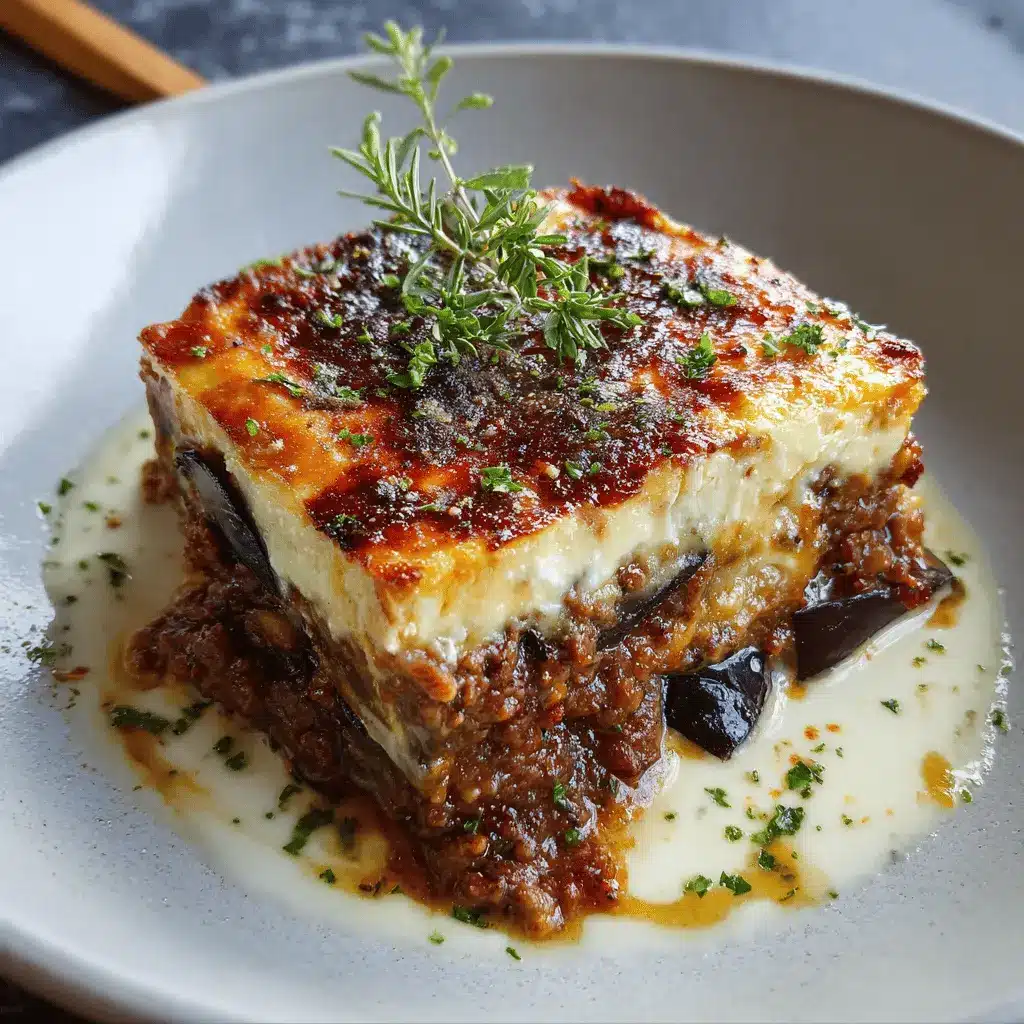
Pop your assembled moussaka into a preheated oven at 350°F (175°C) for about 45 minutes to an hour. You’re looking for a golden-brown crust on top that says, “I’m ready to be devoured!” After it emerges from the oven, let it rest for about 15 minutes before serving. This allows the layers to set, making it easier to slice.
Creating Greek Moussaka is an effortless way to impress at dinner parties or simply treat yourself to a meal that nourishes both body and soul. Enjoy every bite of this labor of love!
Variations on Greek Moussaka
Vegetarian Moussaka
If you’re looking for a plant-based twist on Greek Moussaka, a vegetarian version can be a delightful alternative! Instead of the traditional meat filling, you can use layers of sautéed vegetables like zucchini, spinach, and mushrooms. For added richness, try incorporating lentils or chickpeas. Not only do they provide great texture, but they’re also packed with protein, making this dish satisfying and nutritious.
To enhance the flavor profile, consider adding warm spices such as cinnamon or nutmeg. These can elevate your dish, giving it that authentic, cozy taste. You might also enjoy exploring different types of cheese—such as feta or a lactose-free alternative—for the béchamel layer. You can find some excellent vegetarian moussaka recipes on sites like BBC Good Food.
Gluten-Free Moussaka
For those mindful of gluten, crafting a gluten-free Greek Moussaka is both simple and delicious! The key here is to replace traditional wheat-based ingredients with gluten-free alternatives. Instead of using breadcrumbs for your béchamel, consider using almond flour or finely ground rice cakes. These swaps can still provide that lovely, crusty topping we all know and love!
When it comes to the eggplant layers, make sure to select fresh, firm fruit to avoid excess moisture. This helps prevent your dish from becoming soggy. Adding a dash of gluten-free flour to your sauce can also help achieve that creamy consistency without compromising on flavor. For more gluten-free tips, head over to Celiac Disease Foundation.
Whether you opt for the vegetarian or gluten-free variation, these moussakas are sure to impress and satisfy. So, which one will you try first?
Cooking tips and notes for Greek Moussaka
How to reduce bitterness in eggplant
One common challenge when preparing Greek Moussaka is dealing with the bitterness of eggplant. An effective tip is to slice the eggplant and sprinkle it with salt, letting it rest for about 30 minutes. The salt draws out moisture along with that undesirable bitterness. Rinse the slices and pat them dry before cooking. You can also consider soaking them in a mixture of water and a bit of lemon juice for a flavorful twist.
Tips for the perfect béchamel sauce
The béchamel sauce is what truly elevates your Greek Moussaka. To ensure it’s smooth and creamy:
- Use cold milk when creating the roux to avoid clumps.
- Whisk continuously while slowly adding in the milk. This helps achieve that velvety texture.
- Don’t forget to season! A pinch of nutmeg adds warmth, while salt enhances the overall flavor.
Once you master these techniques, you’ll find that making Greek Moussaka becomes a delightful culinary adventure. For more tips, consider visiting Serious Eats.

Serving suggestions for Greek Moussaka
Best sides to complement moussaka
When enjoying Greek Moussaka, the sides you choose can elevate your experience. Here are some fantastic options:
- Greek Salad: This fresh blend of cucumbers, tomatoes, red onion, and feta will provide a crunchy contrast to your creamy moussaka. Plus, the zesty dressing brings a vibrant flavor that balances the richness.
- Tzatziki: A cool yogurt sauce infused with garlic and cucumber adds a refreshing note alongside the moussaka, enhancing every bite with its tangy goodness.
- Roasted Vegetables: A mix of seasonal vegetables, like zucchini and eggplant, simply drizzled with olive oil and herbs can add depth to your meal.
Pairing beverages with moussaka
You’ve got your Greek Moussaka beautifully plated; now, what about drinks? Consider these non-alcoholic pairings:
- Sparkling Water with Lemon: This effervescent choice cleanses the palate beautifully between bites, enhancing the dish’s flavors.
- Iced Herbal Tea: Try a mint or chamomile blend for a soothing and aromatic experience that complements the hearty moussaka.
- Pomegranate Juice: The slight tartness of pomegranate juice can be a delightful accompaniment, bringing a fruity flair that pairs well with savory dishes.
For more insights on Greek cuisine, check out Greek Food Foundation. Happy eating!
Time breakdown for Greek Moussaka
Preparation time
To kick off your culinary adventure with Greek Moussaka, you should set aside about 30 minutes for preparation. This is where you’ll be chopping those fresh vegetables, assembling your layers, and getting your turkey bacon ready. Make sure to take your time; quality ingredients deserve attention!
Cooking time
Once everything is prepped, get ready for around 1 hour of cooking time. This includes browning your turkey bacon, layering those gorgeous vegetables, and allowing the dish to bake to perfection. The aroma that fills your kitchen will be absolutely divine, drawing everyone in.
Total time
When you combine both prep and cooking times, you’re looking at a total of about 1 hour and 30 minutes to whip up this incredible Greek Moussaka. It’s totally worth the effort when you see the final dish and taste the delightful layers of flavor. Hosting a dinner? This dish will leave your guests raving about your culinary skills! For more tips on timing and serving, check out Food Network for inspiration.
Nutritional Facts for Greek Moussaka
When you’re indulging in a delicious plate of Greek Moussaka, it’s good to know what you’re putting on your plate. This hearty dish is not just flavorful but also packed with essential nutrients.
Calories
A typical serving of Greek Moussaka contains approximately 350-450 calories, depending on portion sizes and specific ingredients. It’s a satisfying meal, perfect for a cozy evening in.
Protein
One of the best parts about Greek Moussaka is its protein content. With ingredients like ground beef and turkey bacon, it provides about 20-25 grams of protein per serving. This makes it a great option for those looking to maintain muscle health while enjoying a comforting dish.
Sodium
Keep in mind that Greek Moussaka can have a higher sodium content, often ranging from 600-900 milligrams per serving due to added cheeses and seasonings. If you’re watching your sodium intake, consider using low-sodium chicken ham and cheese alternatives for a healthier twist.
Incorporate Greek Moussaka into your meal rotation for a deliciously filling option! If you’re interested in tracking the nutritional details or looking for more inspiration, websites like NutritionData or MyFitnessPal can be invaluable resources.
FAQs about Greek Moussaka
If you’re diving into the world of Greek Moussaka, you probably have a few questions on your mind. Let’s clear up some common queries to help you create an unforgettable dish!
What can I use instead of ground beef?
If you’re looking to switch up the meat in your Greek Moussaka, there are plenty of tasty alternatives. Ground turkey is a great choice for a leaner option, while lentils or chickpeas are fantastic for a vegetarian version. You could also use ground lamb for a more traditional flavor. Whichever you choose, be sure to season it well for that authentic taste!
Can I prepare moussaka ahead of time?
Absolutely! Greek Moussaka is perfect for meal prep. You can assemble the dish up to a day in advance, keeping it covered in the fridge until you’re ready to bake it. This not only saves time but allows the flavors to meld beautifully. Just remember to let it come to room temperature before baking for even cooking.
How do I store leftover moussaka?
Storing leftover Greek Moussaka is easy. Once completely cooled, slice it into portions and transfer to airtight containers. It will last in the fridge for about 3-4 days. If you want to keep it for longer, consider freezing it; just be sure to wrap it tightly in foil or plastic wrap. When you’re ready to eat it, thaw in the fridge overnight and reheat in the oven for the best texture.
For more tips on effective meal storage, check out Food Safety Guidelines. Happy cooking!
Conclusion on Greek Moussaka
Why Homemade Moussaka is a Game Changer
Making Greek Moussaka at home truly elevates your culinary experience. When you prepare this dish yourself, you have control over the quality and freshness of your ingredients—from the rich ground beef to the tender eggplants. Nothing compares to the aroma of spices wafting through your kitchen as you layer flavors.
Homemade moussaka allows you to customize it to your liking, whether you prefer extra Turkey Bacon or a lighter vegetarian option. Plus, it’s a fantastic way to impress family and friends during dinners, creating memorable moments filled with delicious food. Want to dive deeper? Check out this in-depth tutorial for more tips and tricks!
Print
Greek Moussaka: Indulge in this Easy Comfort Food Delight
- Total Time: 1 hour 30 minutes
- Yield: 6 servings
- Diet: Omnivore
Description
Experience the rich flavors of traditional Greek moussaka, a delicious layered dish featuring eggplant, ground meat, and a creamy béchamel sauce.
Ingredients
- 2 medium eggplants
- 1 pound ground beef or lamb
- 1 large onion, chopped
- 2 cloves garlic, minced
- 1 can (14 oz) crushed tomatoes
- 2 cups béchamel sauce
- 2 teaspoons ground cinnamon
- 1 teaspoon ground nutmeg
- 2 tablespoons olive oil
- Salt and pepper to taste
- 1 cup grated cheese (e.g., feta or Parmesan)
Instructions
- Preheat your oven to 375°F (190°C).
- Slice the eggplants and lay them out on a towel, sprinkling salt to draw out moisture.
- In a skillet, heat olive oil over medium heat, add the onions and garlic, and sauté until translucent.
- Add the ground meat and cook until browned. Stir in the crushed tomatoes, cinnamon, nutmeg, salt, and pepper.
- Layer half of the eggplants in a baking dish, followed by the meat mixture, then add the remaining eggplants.
- Pour the béchamel sauce over the top and sprinkle with cheese.
- Bake for 45 minutes or until golden brown.
- Let it cool for 10 minutes before serving.
Notes
- For added flavor, consider topping with fresh herbs like parsley or basil.
- Serve with a side salad for a complete meal.
- Prep Time: 30 minutes
- Cook Time: 1 hour
- Category: Main Dish
- Method: Baking
- Cuisine: Greek
Nutrition
- Serving Size: 1 slice
- Calories: 450
- Sugar: 5g
- Sodium: 750mg
- Fat: 28g
- Saturated Fat: 10g
- Unsaturated Fat: 15g
- Trans Fat: 0g
- Carbohydrates: 30g
- Fiber: 7g
- Protein: 25g
- Cholesterol: 75mg