Introduction to German Schnitzel
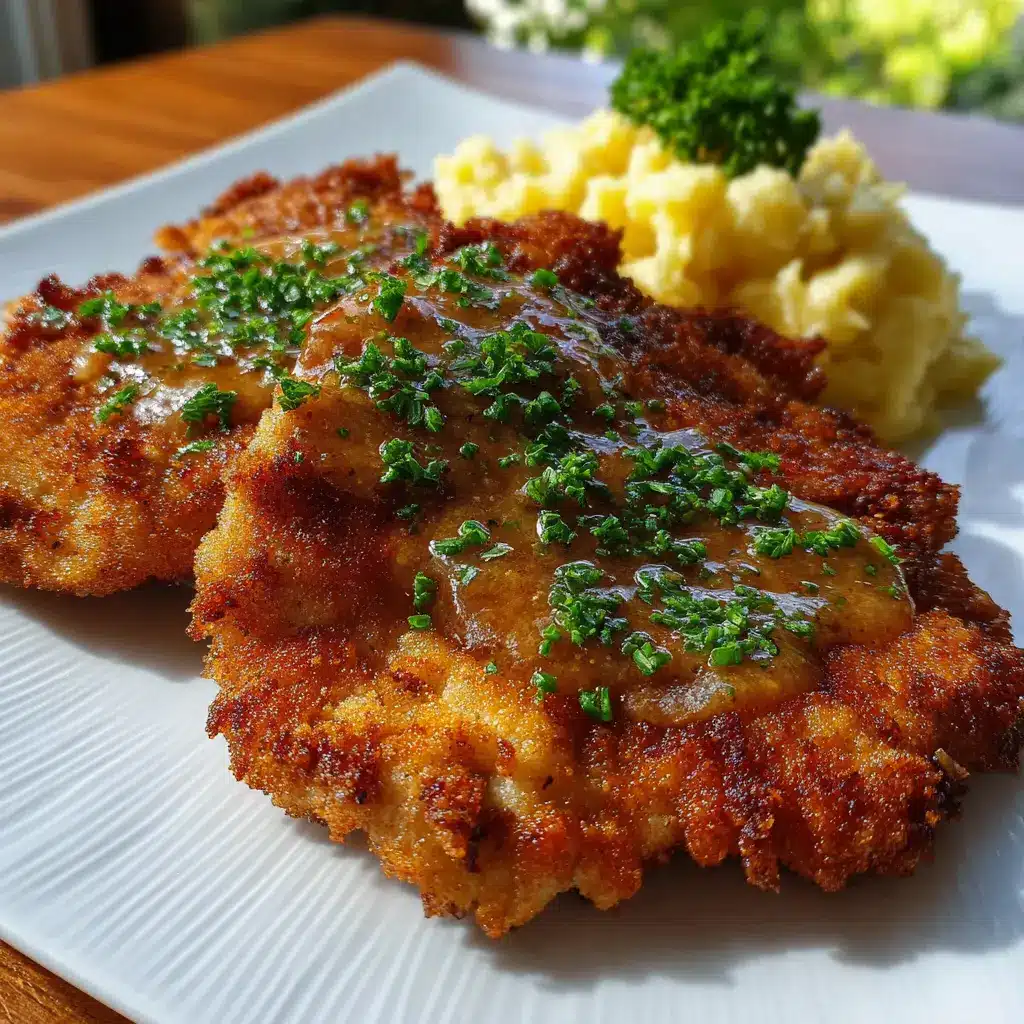
When you think of German cuisine, one dish often comes to mind: the beloved German Schnitzel. This iconic meal is not just a culinary staple in Germany; it’s a symbol of comfort, tradition, and indulgence. Whether you’re enjoying it at a bustling beer garden or preparing it in your own kitchen, schnitzel has a unique charm that captures the heart and palate of locals and visitors alike.
Why is German Schnitzel a classic dish?
The origin of schnitzel can be traced back to the Italian dish, Cotoletta alla Milanese, but it was in Germany where it truly flourished. The beauty of German Schnitzel lies in its simplicity: thin slices of meat—traditionally pork, but often substituted with beef—are breaded and fried to golden perfection. This dish showcases the brilliance of German cooking: taking straightforward ingredients and elevating them through technique.
-
Cultural Significance: Schnitzel isn’t simply food; it’s a part of German identity. From festive occasions to everyday meals, schnitzel makes an appearance everywhere. It’s also popular in neighboring countries, each adding its unique twist. For example, in Austria, you might find the Wiener Schnitzel which is made from veal.
-
Cooking Technique: The process of making schnitzel involves tenderizing the meat, coating it in flour, eggs, and breadcrumbs, then frying it until crispy. It’s a technique that many enjoy perfecting at home. How many of you have tried a family recipe passed down through generations? There’s something rewarding about creating a dish that’s been loved for years.
-
Variety and Customization: While the classic iteration often features beef or pork, it can also be adapted to suit various diets. With the rise of global cuisine, you’ll see variations including vegetarian options like mushroom schnitzel or even chicken for a different flavor profile.
If you’re keen to dive deeper into the world of schnitzel or explore German culinary practices, check out German Food Guide for numerous insights and recipes.
The versatility and rich heritage of German Schnitzel continue to make it a dish worth savoring. So, whether it’s your first time cooking it or you’re a seasoned pro, you’re in for a delightful experience that bridges tradition and taste!

Ingredients for German Schnitzel
Essential ingredients for a perfect schnitzel
Creating a mouthwatering German Schnitzel starts with the right ingredients. To prepare this classic dish, you’ll need:
- Beef Cutlets: Choose a tender cut like sirloin, pounded thin for that signature crunch.
- Flour: This will help with the breading process. All-purpose flour works beautifully.
- Eggs: Lightly beaten, they act as the adhesive for the breadcrumbs.
- Breadcrumbs: For that crispy exterior, use fine or panko breadcrumbs for extra crunch.
- Salt and Pepper: Essential for seasoning your meat.
Once you’ve got these basics covered, you can begin your schnitzel journey. For a more authentic flavor, consider checking out this guide on schnitzel variations to explore different meat options.
Optional garnishes and sides
Elevate your German Schnitzel with some delightful garnishes and sides. Popular choices include:
- Lemon Wedges: A fresh squeeze adds brightness.
- Parsley: Chopped and sprinkled for a pop of color.
- Chicken Ham: A delicious side offering, or enjoy it wrapped around your schnitzel.
- Turkey Bacon: A crispy addition that complements the dish nicely.
- Potato Salad or Spaetzle: Perfect accompaniments to round out your meal.
These simple additions can take your schnitzel from great to unforgettable. Do you have a favorite side that pairs well? Share your thoughts!
Preparing German Schnitzel
Making a delicious German Schnitzel at home is not as daunting as it might seem! With just a bit of preparation and the right techniques, you can achieve that delectable crispy exterior and juicy interior that the dish is famous for. Here’s a detailed guide to help you create the perfect schnitzel that would make anyone feel like they’re dining in Germany.
Flatten the cutlets
The first step in preparing your German Schnitzel is to flatten the cutlets. You can use beef cutlets, about 1/2 inch thick, for this classic version. The thinner the meat, the crispier the schnitzel!
- Tip: Place the cutlet between two sheets of plastic wrap or parchment paper. Use a meat mallet or even a rolling pin to gently pound the meat. Aim for an even thickness of about 1/4 inch. This helps the meat cook evenly while achieving that desirable crispy crust.
Season the meat
Once you’ve flattened your cutlets, it’s time to enhance their flavor. Seasoning is the key to transforming your schnitzel from bland to spectacular.
- Sprinkle salt and pepper generously on both sides of the cutlets. You can also add a touch of garlic powder or paprika for an extra flavor kick.
- Allow the meat to sit for about 10-15 minutes—this lets the seasonings penetrate deeply, enriching the overall taste.
Set up your breading stations
Breading is a crucial step that gives your German Schnitzel its iconic crunch. Setting up your breading stations correctly will streamline the process.
You’ll need three shallow dishes:
- Flour: Seasoned with a pinch of salt and pepper.
- Egg wash: Beat 2-3 eggs in a bowl, adding a splash of milk for a richer texture.
- Breadcrumbs: Use fine breadcrumbs for an authentic touch. You can enhance these with some grated Parmesan cheese or herbs for more flavor.
Organizing these stations in a line can help you get into the breading groove when you start working with multiple cutlets.
Bread the schnitzel
Now comes the fun part: breading!
- Start by dredging each cutlet in the flour, making sure to coat it evenly. Shake off any excess flour.
- Next, dip the floured cutlet into the egg wash, allowing the mixture to cover both sides.
- Finally, press the cutlet into the breadcrumbs, ensuring a good coating on all sides. Don’t rush this step—the crispiness relies on even breading!
Fry the cutlets to perfection
Frying is where the magic really happens, transforming your battered cutlets into golden perfection.
- In a large skillet, heat a generous amount of oil—vegetable or canola oil works well—over medium-high heat. You want enough oil to cover the base of the pan.
- Once the oil shimmers, gently place the breaded cutlets into the skillet, being careful not to overcrowd. Fry each side for about 3-4 minutes or until golden brown.
- This step is critical, so be patient! The cutlets should sizzle upon contact with the oil.
Drain the excess oil
After frying, the last step is to ensure you have a crispy schnitzel without the greasy aftermath.
- Place the cooked schnitzels on a wire rack set over a baking sheet (to catch drippings) or on a plate lined with paper towels. This helps soak up any excess oil while keeping the schnitzel crispy on all sides.
- Serve immediately for the best experience.
Now, you have your very own homemade German Schnitzel! Serve it with a side of lemon wedges and perhaps a fresh salad for a complete meal. Trust me, once you master this dish, it will quickly become a favorite among friends and family. For further insight into schnitzel variations and cultural significance, check out this informative article on German culinary traditions. Enjoy your cooking adventure!
Variations on German Schnitzel
When it comes to German schnitzel, the classic recipe usually calls for tenderized and breaded beef, but did you know there are exciting adaptations worth exploring? Let’s dive into some popular variations that are sure to delight your taste buds!
Traditional Beef Schnitzel Adaptations
The traditional beef schnitzel is a beloved comfort food in Germany, yet it can be dressed up in various delightful ways. Here are a few adaptations to consider:
- Herbed Breadcrumbs: Instead of standard breadcrumbs, try using a blend of seasoned breadcrumbs with fresh herbs like parsley and thyme. This elevates the dish with fresh flavors.
- Cheese Stuffing: Why not stuff your schnitzel? A layer of melted cheese (like Gruyère or mozzarella) can be sandwiched between two pieces of beef before frying, creating a gooey surprise inside.
If you’re curious about more traditional German recipes, check out German Food Guide.
Creative Twists with Turkey or Chicken Variations
Feeling adventurous? Switch it up by using turkey or chicken for a lighter version of schnitzel. Try these creative twists:
- Turkey Schnitzel with Avocado Sauce: Serve your crispy turkey schnitzel with a creamy avocado sauce. Simply blend ripe avocados with lime juice and a pinch of cumin for a refreshing dip.
- Chicken Schnitzel with Mango Salsa: Combine your fried chicken schnitzel with a vibrant mango salsa. It adds sweetness and zest, balancing the savory elements beautifully.
These variations not only provide a healthier alternative but also incorporate new flavors, making German schnitzel exciting and fun. Next time you’re in the kitchen, why not experiment with these adaptations? Happy cooking!
Cooking tips for German Schnitzel
Choosing the right oil for frying
When it comes to making the perfect German Schnitzel, the cooking oil you choose plays a crucial role. Opt for oils with a high smoke point to keep the flavors intact and avoid burning. Sunflower oil or canola oil are excellent options, as they provide a light taste and can withstand high heat. For a unique twist, consider using clarified butter or ghee, which can add a delightful richness to your schnitzel.
Ensuring a crispy coating
The secret to a truly irresistible German Schnitzel lies in its crispy coating. Here are some tips to achieve that perfect crunch:
- Double dredging: Dip the meat in flour, then egg, followed by breadcrumbs for that ultimate crispiness.
- Use fresh breadcrumbs: They give a better texture than stale ones. For added flavor, mix in some herbs or grated cheese.
- Don’t overcrowd the pan: Fry only a couple of schnitzels at a time to maintain the oil’s heat and ensure an even, golden coating.
These tips will help you master the art of crafting an authentic German Schnitzel. If you want more insights on preparation techniques, check out this culinary guide. Happy cooking!

Serving suggestions for German Schnitzel
Classic sides and sauces
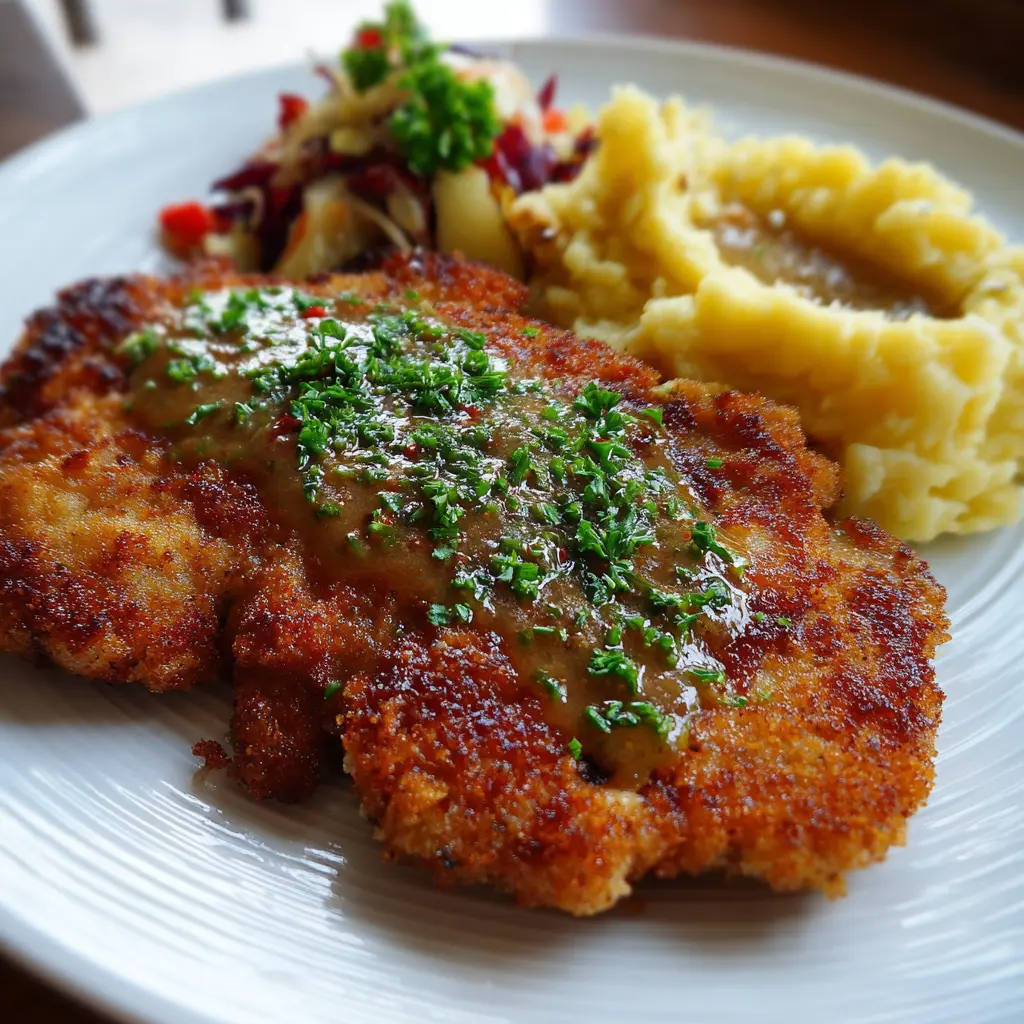
When it comes to serving German Schnitzel, the classics never disappoint! Pair your crispy, golden schnitzel with:
- Potato Salad: A tangy German potato salad made with vinegar adds an incredible contrast to the richness of the schnitzel.
- Spätzle: This German egg noodle dish is a delicious accompaniment that soaks up any sauce beautifully.
- Vegetable Medley: Lightly sautéed seasonal vegetables can enhance not only the dish’s flavor but also its visual appeal.
- Gravy: A rich mushroom or onion gravy takes your schnitzel experience to another level.
For sauces, consider serving it with a lemon wedge or homemade remoulade to cut through the fried richness and add a zesty finish.
Creative serving ideas
Feeling adventurous? Here are some fun twists to elevate your German Schnitzel experience:
- Schnitzel Sandwich: Place a crispy schnitzel inside a toasted bun, add some fresh greens and a dollop of mayo for a yummy, handheld treat.
- Schnitzel Tacos: Why not wrap it in taco shells with slaw and avocado for a delightful fusion?
- Schnitzel with a twist: Use turkey bacon or chicken ham as a topping for a smoky flair.
With these suggestions, you’re well on your way to creating a memorable meal. Let your creativity shine, and don’t hesitate to explore new combinations! For a deeper dive into these ideas, check out Serious Eats for more inspiration.
These serving ideas blend tradition with modern flair, perfect for impressing friends or just treating yourself. What’s your favorite way to enjoy schnitzel?
Time details for German Schnitzel
Preparation time
Getting started on your German Schnitzel is quick and easy, taking only about 20 minutes. During this time, you’ll gather all your ingredients and prepare your beef, ensuring it’s thin and ready to soak up all the delicious flavors.
Cooking time
Once you hit the stovetop, the actual cooking takes about 15 minutes. This process involves frying those juicy schnitzels until they’re golden brown and have that irresistible crispy crust.
Total time
All in all, you’re looking at approximately 35 minutes from start to finish. Isn’t that delightful? In just over half an hour, you can indulge in a truly satisfying meal that will impress your friends and family. For tips on side dishes to complement your schnitzel, check out resources like BBC Good Food for inspiration!
Nutritional information for German Schnitzel
When diving into a delicious plate of German Schnitzel, it’s essential to be aware of its nutritional profile. Let’s break it down!
Calories
A standard serving of German Schnitzel has about 400-500 calories, depending on the preparation and breading. This hearty meal is perfect for a satisfying dinner.
Protein
Protein lovers will appreciate that a serving of German Schnitzel contains approximately 30 grams of protein. It’s a fantastic way to fuel your post-workout recovery or simply to keep you feeling full throughout the day.
Sodium
Keep an eye on sodium levels as well, which can vary widely; a typical serving hovers around 800-900 milligrams. If you’re monitoring your intake, consider pairing it with lighter sides like steamed veggies or a fresh salad for balance.
For more health insights, check out resources on nutrition and learn how to incorporate healthy eating into your lifestyle. Your body will thank you!
FAQs about German Schnitzel
Can I make schnitzel ahead of time?
Absolutely! You can prepare your German Schnitzel well in advance. To do this, follow these steps:
- Bread the meat: After coating your beef in breadcrumbs, place it on a baking sheet lined with parchment paper.
- Refrigerate: You can refrigerate the breaded schnitzels for a couple of hours or even overnight.
- Cooking: When ready to serve, simply heat some oil in a pan and fry them until golden brown.
This method not only saves time but allows the flavors to meld, resulting in an even tastier meal.
What can I serve with schnitzel?
The right side dishes can elevate your German Schnitzel experience! Here are a few favorites:
- Potato salad or fries: A classic combination that pairs beautifully with the crispy schnitzel.
- Sauerkraut: The tanginess complements the breaded beef.
- German cucumber salad: For a refreshing crunch.
Feel free to get creative! A simple green salad with a zesty vinaigrette can be a great alternative, too.
How do I keep schnitzel crispy?
Maintaining that delightful crispy texture is key! Here are some tips:
- Avoid stacking: When the schnitzel is cooked, don’t stack them, as this can make them soggy. Instead, keep them on a cooling rack.
- Use the right oil: Opt for oils with a high smoke point, like canola or sunflower oil.
- Serve immediately: If you can, enjoy your schnitzel right after frying. This ensures the texture remains crispy.
If you’re looking for more tips on perfecting your German Schnitzel, explore resources like Serious Eats or BBC Good Food for expert advice. Happy cooking!
Conclusion on German Schnitzel
Why you should try making schnitzel at home
Making German Schnitzel at home is not just a cooking project; it’s an experience steeped in tradition. Imagine biting into a perfectly breaded, crispy cutlet that’s tender on the inside. By preparing this dish yourself, you have complete control over the ingredients, allowing you to tailor flavors to your taste. Plus, it’s a fantastic conversation starter for gatherings, making any meal feel special.
The process is simple, yet rewarding, offering a satisfying feeling when you recreate this classic dish. For some great cooking tips, check out Serious Eats or BBC Good Food. So why not gather your friends, put on some music, and embark on a schnitzel adventure? You’ll not only impress your friends but also discover a new favorite meal.
Print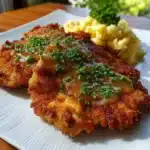
German Schnitzel: Easy Recipe with Turkey Bacon and Chicken Ham
- Total Time: 35 minutes
- Yield: 4 servings
Description
A delicious and easy recipe for German Schnitzel made with turkey bacon and chicken ham.
Ingredients
- 1 pound turkey bacon
- 1 pound chicken ham
- 2 cups breadcrumbs
- 2 eggs
- 1 cup flour
- 1 tablespoon paprika
- Salt to taste
- Black pepper to taste
- Vegetable oil for frying
Instructions
- Prepare your workstation with three bowls: one for flour, one for beaten eggs, and one for breadcrumbs mixed with paprika.
- Season the chicken ham with salt and pepper on both sides.
- Coat each piece of chicken ham in flour, then dip in the beaten eggs, and finally coat with breadcrumbs.
- Heat vegetable oil in a large skillet over medium heat.
- Fry the schnitzels in batches until golden brown on both sides, about 3-4 minutes per side.
- Transfer to a paper towel-lined plate to drain excess oil.
Notes
- Serve with lemon wedges for a fresh flavor.
- Pair with a salad or potato dish.
- Prep Time: 15 minutes
- Cook Time: 20 minutes
Nutrition
- Serving Size: 1 schnitzel
- Calories: 400
- Sugar: 1g
- Sodium: 850mg
- Fat: 22g
- Saturated Fat: 6g
- Unsaturated Fat: 12g
- Trans Fat: 0g
- Carbohydrates: 36g
- Fiber: 2g
- Protein: 22g
- Cholesterol: 140mg