
Introduction to English Muffins
When it comes to creating the perfect breakfast or brunch, nothing beats the warmth and smell of freshly baked english muffins. These delightful golden discs, with their crispy exteriors and soft interiors, are a delicious canvas for all your favorite toppings. But why should you consider making them at home? The answer lies in the transformative experience of baking your own.
Why homemade English muffins are a game changer?
So, why are homemade english muffins such a game changer? For starters, making them from scratch allows you to control the ingredients, ensuring they’re fresh, wholesome, and devoid of preservatives or unnecessary additives. A study by Food Quality and Preference found that homemade bread products often have better flavor and texture compared to store-bought options. Plus, there’s something incredibly satisfying about pulling crispy, golden muffins out of your own oven!
Consider the versatility these muffins offer. You can enjoy them with classic toppings like butter and jam, or get creative with:
- Turkey bacon and avocado for a hearty breakfast.
- Smashed avocado and tomato topped with a sprinkle of salt for a fresh, modern twist.
- Chicken ham and cheese for a delightful savory snack.
Each bite of your homemade muffin can be customized to suit your culinary whims, which is particularly appealing for young professionals who appreciate flexibility in their meals.
Many people assume that making english muffins is difficult, but the truth is, the process is surprisingly straightforward. With just a few basic ingredients—flour, yeast, water, and a touch of sugar—you can create these delectable treats right in your kitchen. The key lies in allowing time for the dough to rise, ensuring a fluffy texture that store-bought versions struggle to replicate.
For those who love to experiment, the world of flavors is ripe for exploration. Consider adding herbs or spices to the dough for an extra kick, or mix in ingredients like cheddar cheese or jalapeños for a savory alternative.
Ready to elevate your breakfast game? Explore the world of homemade english muffins and discover a new level of freshness that will change how you enjoy your morning meals. Let’s dive into the recipe!

Ingredients for English Muffins
Essential Ingredients for Fluffy Muffins
Creating irresistibly fluffy English muffins at home begins with the right ingredients. Here’s what you’ll need to whip up a batch that rivals your favorite breakfast spot:
- All-purpose flour: This is the backbone of your muffins, providing structure and a delightful chewiness.
- Yeast: Opt for active dry yeast to achieve that lovely rise and airy texture. It’s truly the magic ingredient!
- Milk: Warm milk helps excite the yeast, ensuring your muffins bloom beautifully.
- Sugar: A touch of sugar activates the yeast and adds just the right amount of sweetness.
- Butter: Melted, this adds richness that makes each bite indulgent.
- Salt: This balances the flavors and enhances the overall taste.
- Eggs: They contribute to richness and moisture, creating that perfect fluffy interior.
Tools You’ll Need for Preparation
To make your muffin-making process smooth sailing, gather these essentials:
- Mixing bowls
- A whisk or fork
- A rolling pin
- A griddle or cast iron skillet (to achieve that iconic nooks-and-crannies texture)
- A cookie cutter or ring molds for shaping
For tips on using your tools effectively, check out resources like King Arthur Baking or Serious Eats. You’ll be a muffin pro in no time!
Preparing English Muffins
Making homemade english muffins is not just a culinary endeavor; it’s an experience filled with warmth and delicious anticipation. If you’ve ever wondered how to master this delightful treat, you’re in for a treat! Let’s dive into the process step-by-step.
Step 1: Activate the yeast
First and foremost, yeast is the star of our show! Start by mixing together:
- 1 cup warm milk (around 110°F or 43°C)
- 1 tablespoon sugar
- 2 teaspoons active dry yeast
Let this mixture sit for about 5 to 10 minutes until it’s frothy. This tells you the yeast is alive and ready to work its magic. This step ensures that your english muffins will rise perfectly—just like a fluffy cloud!
Step 2: Mix the dry ingredients
While your yeast is doing its thing, let’s focus on the dry ingredients. In a separate bowl, combine:
- 3 cups all-purpose flour
- 1 teaspoon salt
- 1 tablespoon melted unsalted butter
Mix these thoroughly; this is where you create the foundation of flavor and texture. For more information on choosing the best flour for your recipes, check out this informative guide from King Arthur Baking.
Step 3: Create the dough
Once your yeast mixture is frothy, you can bring everything together. Gradually add the yeast mixture into the dry ingredients, stirring until a dough starts to form. It might be a bit sticky at first, but don’t worry—that’s perfectly normal!
Step 4: Knead like a pro
Now comes the fun part: kneading! Transfer your dough onto a lightly floured surface, and knead for about 10 minutes. This helps develop gluten, which gives english muffins their characteristic texture. Think of it as a workout for your dough! The result should be a smooth, elastic ball.
Step 5: Let it rise
After kneading, place the dough in a greased bowl and cover it with a clean kitchen towel. Let it rise in a warm, draft-free place for about an hour, or until it doubles in size. This is a great time to daydream about all the toppings you’ll use later—delicious turkey bacon, maybe some avocado, or even a spread of cream cheese!
Step 6: Shape the muffins
After your dough has risen, punch it down to release the air, and then roll it out to about ½ inch thick. Using a round cutter (or a glass), cut out circles. Place them on parchment paper dusted with cornmeal—this will add some extra texture and help prevent sticking. Cover them lightly with a towel again and let them rise for another 30 minutes.
Step 7: Cook them to perfection
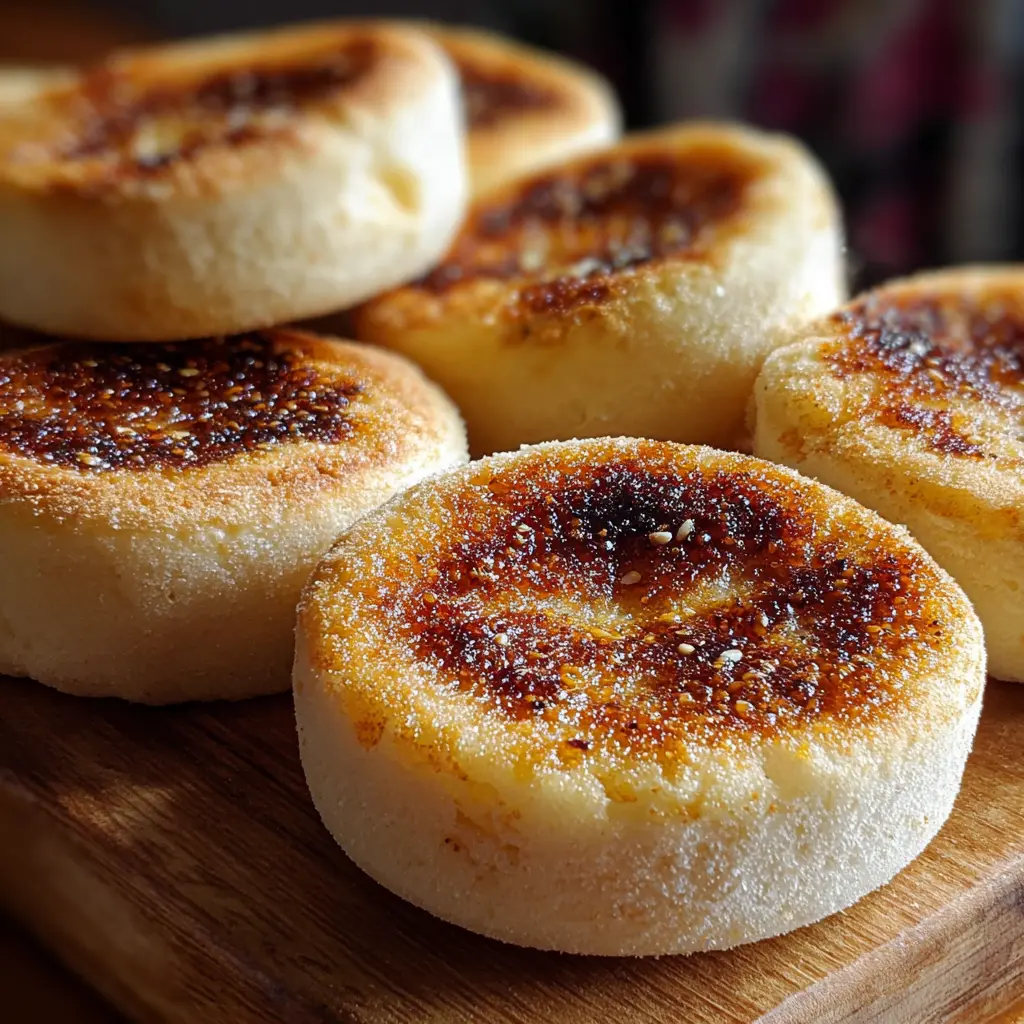
To cook your english muffins, heat a griddle or frying pan over low heat. Cook each muffin for about 5-7 minutes on each side, until they turn golden brown. If you have a kitchen thermometer, cooking them to about 200°F (93°C) ensures they are perfectly cooked without being doughy inside.
Once they’re done, let them cool on a wire rack. Slice them open, toast them, and enjoy with your favorite spreads or toppings. You’ll be amazed at how rewarding it feels to bite into that warm, homemade texture!
Prepare your toppings ahead of time because you’ll want to dig into your freshly made english muffins as soon as they’re ready. Whether it’s honey, turkey bacon, or a generous smear of butter, relish every warm bite.
Now that you’ve mastered the art of making english muffins, get ready to impress friends and family with your newfound skill!
Variations on English Muffins
Whole Wheat English Muffins
If you’re looking for a wholesome twist, whole wheat English muffins are a fantastic option to consider. Using whole wheat flour not only adds a nutty flavor but also packs your breakfast with extra fiber, keeping you satisfied longer. The texture is a bit denser than traditional muffins, offering a hearty bite that pairs wonderfully with your favorite spreads.
To make them, simply substitute half or all of the white flour in your recipe with whole wheat flour. If you’re unsure about the taste, start with a 50/50 mix and see how you like it! You can also toss in some ground flaxseed for added nutrition. Feeling adventurous? Try adding honey for a hint of sweetness that balances perfectly with savory toppings like Turkey Bacon or Chicken Ham.
For more inspiration, check out this article on the benefits of incorporating whole grains into your diet from Healthline.
Herb-Infused English Muffins
Why settle for plain when you can elevate your breakfast with herb-infused English muffins? Imagine waking up to muffins infused with the delightful flavors of rosemary, thyme, or even basil. These herbs not only add an aromatic quality but also make your muffins a gourmet treat worth savoring.
To infuse herbs, simply add one to two tablespoons of finely chopped fresh herbs into the dough before kneading. Feel free to experiment! Pair these flavorful muffins with an egg and some fresh veggies for a delicious, healthy breakfast. Or serve them alongside a robust tomato soup for a cozy dinner option.
Creating variations on your English muffins can be a fun way to explore your culinary creativity. Whether you go for the wholesome or the herbaceous, you’ll be pleased with the results!
Cooking Tips and Notes for English Muffins
When embarking on your journey to homemade English muffins, it’s essential to navigate pitfalls and enhance your baking prowess. Here are some insights that’ll make your muffin-making experience delightful.
Common Mistakes to Avoid
- Skipping the Knead: One of the biggest blunders is not kneading your dough well enough. Proper kneading develops gluten, giving your muffins that perfect rise and texture.
- Improper Cooking Time: Undercooking can leave you with doughy centers while overcooking will dry them out. Keep an eye on the clock; the golden brown hue is your best indicator.
- Ignoring Rest Times: Patience is crucial! Letting the dough rest allows it to rise properly, enhancing flavor and texture.
Expert Tips for Perfect Texture
- Use High-Quality Flour: Your choice of flour impacts the muffins’ density and taste. Whole wheat flour can add a wholesome flavor, while bread flour yields a fluffier texture.
- Control the Temperature: Pay attention to the cooking surface. A pre-heated griddle or skillet ensures even cooking—maintain a moderate heat to prevent burning.
- Experiment with Add-Ins: From herbs to cheeses—don’t hesitate to get creative! A sprinkle of turkey bacon bits or finely chopped chicken ham can elevate your English muffins to gourmet status.
For more insights on baking techniques, feel free to explore resources such as King Arthur Baking or BBC Good Food. Happy baking!

Serving Suggestions for English Muffins
Tasty Toppings to Try
When it comes to english muffins, the right topping can elevate your breakfast or snack to new heights. Here are some delicious options to get your creative juices flowing:
- Avocado Smash: Mash up some ripe avocado, sprinkle with salt and pepper, and add red pepper flakes for a kick.
- Nut Butter Bliss: Spread almond or peanut butter on toasted muffins and top with banana slices for a satisfying treat.
- Turkey Bacon & Eggs: Combine crispy turkey bacon with a poached or scrambled egg for a hearty breakfast.
- Savory Ricotta: Spread ricotta cheese on a toasted muffin and drizzle with honey and fresh herbs for a sweet-savory balance.
Creative Ways to Enjoy Them
English muffins are surprisingly versatile! Try:
- Mini Pizzas: Top split muffins with marinara, cheese, and your favorite veggies, then bake until bubbly.
- Breakfast Sandwiches: Layer a slice of chicken ham and fresh spinach between two toasted halves for a quick lunch option.
- Dessert Muffins: Spread a thin layer of cream cheese and add strawberries or seasonally inspired fruits for a sweet treat.
You can find more fun ideas for using english muffins at resources like The Kitchn or Food Network. Which mouthwatering combination will you try first?
Time Breakdown for English Muffins
Preparation Time
Getting started on making english muffins doesn’t take long. You’ll need about 10 minutes to gather your ingredients and mix the dough. The fun part is kneading it just enough to bring it together, so don’t rush this phase—embrace the process!
Cooking Time
Once your dough has risen, cooking takes around 20-25 minutes. You’ll want to keep an eye on them as they cook, ensuring that they’re perfectly golden brown on both sides.
Total Time
In total, allow for about 1 to 1.5 hours. This includes rising time, which is essential for that delightful texture. While you wait, why not explore the versatility of your english muffins? Pair them with turkey bacon and avocado for a scrumptious breakfast or use them as a base for mini pizzas!
For more tips on making the best muffins, check out The Kitchn for expert advice and recipe inspiration!
Nutritional Facts for English Muffins
Calories per muffin
When you’re crafting a delightful breakfast or snack with english muffins, knowing the calorie content can help you manage your diet effectively. On average, a basic regular-sized english muffin contains about 120 calories. However, keep in mind that toppings can significantly alter this number, so choose wisely!
Nutritional components
English muffins are not only flavorful but also packed with nutritional benefits. Here’s a closer look at what makes them a healthy choice:
- Carbohydrates: Approximately 25 grams per muffin, providing that much-needed energy boost.
- Protein: Around 5 grams, making them a decent source of this essential nutrient.
- Fat: Typically low in fat, with about 1 gram per muffin.
- Fiber: You’ll find about 1 gram, which supports digestive health.
- Vitamins and Minerals: They often include small amounts of B vitamins and iron.
For a deeper dive into the benefits of including english muffins in your diet, take a look at resources from health organizations like the American Heart Association or Harvard Health.
So, the next time you enjoy a toasted english muffin topped with avocado or a smear of turkey bacon, you can feel good about the nutritional choices you’re making!
FAQ about English Muffins
Can I freeze English muffins?
Absolutely! Freezing English muffins is a great way to preserve their deliciousness for later. Just slice them in half before freezing to make toasting easier. Store them in an airtight bag or container to prevent freezer burn. When you’re craving a muffin, simply take out a half, toast it directly from the freezer, and enjoy with your favorite toppings like Turkey Bacon or a smear of butter.
How do I get that classic nooks and crannies?
Creating those iconic nooks and crannies in your English muffins is easier than you might think! The key is in the dough and cooking method. Be sure to:
- Use a high-hydration dough that’s slightly sticky. This helps create air pockets.
- Avoid over-kneading, which can lead to denser muffins.
- When cooking, opt for a griddle or a non-stick pan. This allows for even heat distribution and helps with the rise.
If you want to dig deeper into the science behind the process, check out this Maillard Reaction article.
What are some good substitutes for ingredients?
Flexibility in your English muffin recipe can help accommodate dietary needs or just what you have on hand. Here are some swaps to consider:
- Flour: Whole wheat flour can replace all-purpose flour for added nutrition.
- Milk: Almond or oat milk are perfect alternatives for those avoiding dairy.
- Sugar: Honey or maple syrup can sweeten the dough naturally.
Feel free to experiment! Cooking is about discovery, so don’t hesitate to make these muffins your own. Each small tweak can lead to delightful new flavors.
Conclusion on English Muffins
Recap of why you’ll love homemade English muffins
Creating homemade English muffins is not just an enjoyable cooking project; it transforms your breakfast or brunch game completely. The effortless, warm, and perfectly toasted texture is something you simply can’t replicate with store-bought options. You’ll have control over the ingredients, allowing you to experiment with flavors, whether that’s a dash of cinnamon or a sprinkle of herbs.
Moreover, consider the joy of enjoying a warm muffin topped with creamy avocado or fluffy Turkey Bacon. Cooking at home fosters creativity, and there’s a certain pride in sharing something delicious that you’ve made from scratch. So, why not give it a try? You might just find your new favorite breakfast!
For more tips on perfecting your English muffin recipe, check out BBC Good Food for insights on ingredient variations and cooking techniques.
Print
English Muffins: Easy Homemade Recipe for Turkey Bacon Delight
- Total Time: 1 hour 25 minutes
- Yield: 12 muffins
- Diet: Vegetarian
Description
Learn how to make delicious English muffins at home for a perfect breakfast or snack!
Ingredients
- 2 cups all-purpose flour
- 1 cup warm milk
- 1 tablespoon sugar
- 2 teaspoons instant yeast
- 1 teaspoon salt
- 2 tablespoons butter, melted
Instructions
- Combine warm milk, sugar, and yeast in a bowl and let sit for 5 minutes.
- Add melted butter and salt, then gradually mix in flour until a dough forms.
- Knead the dough for about 5 minutes, then let it rise for 1 hour.
- Shape the dough into muffins and let rise for another 30 minutes.
- Cook in a skillet over low heat for about 5-7 minutes on each side.
Notes
- For added flavor, consider adding herbs or spices to the dough.
- Let the muffins cool before slicing.
- Prep Time: 10 minutes
- Cook Time: 15 minutes
- Category: Breakfast
- Method: Stovetop
- Cuisine: American
Nutrition
- Serving Size: 1 muffin
- Calories: 150
- Sugar: 1g
- Sodium: 200mg
- Fat: 5g
- Saturated Fat: 3g
- Unsaturated Fat: 2g
- Trans Fat: 0g
- Carbohydrates: 22g
- Fiber: 1g
- Protein: 4g
- Cholesterol: 10mg