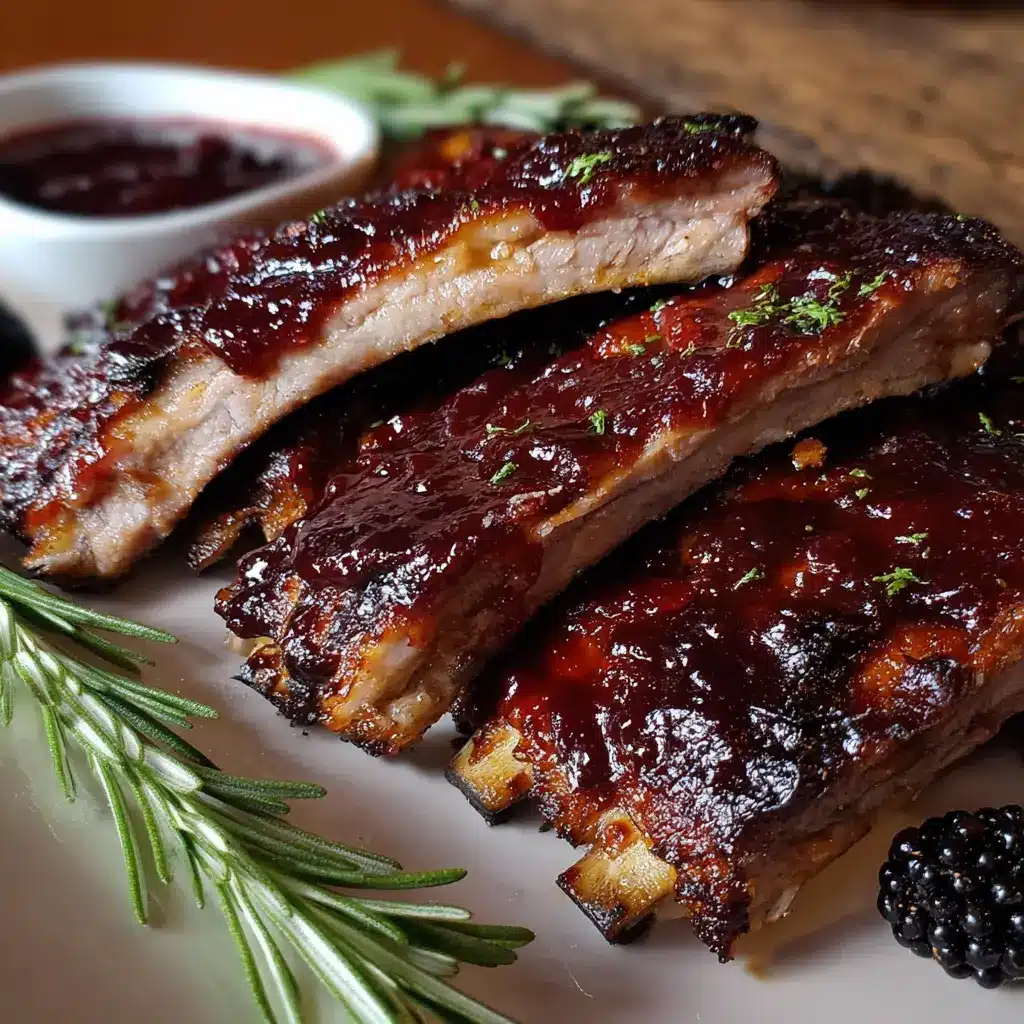
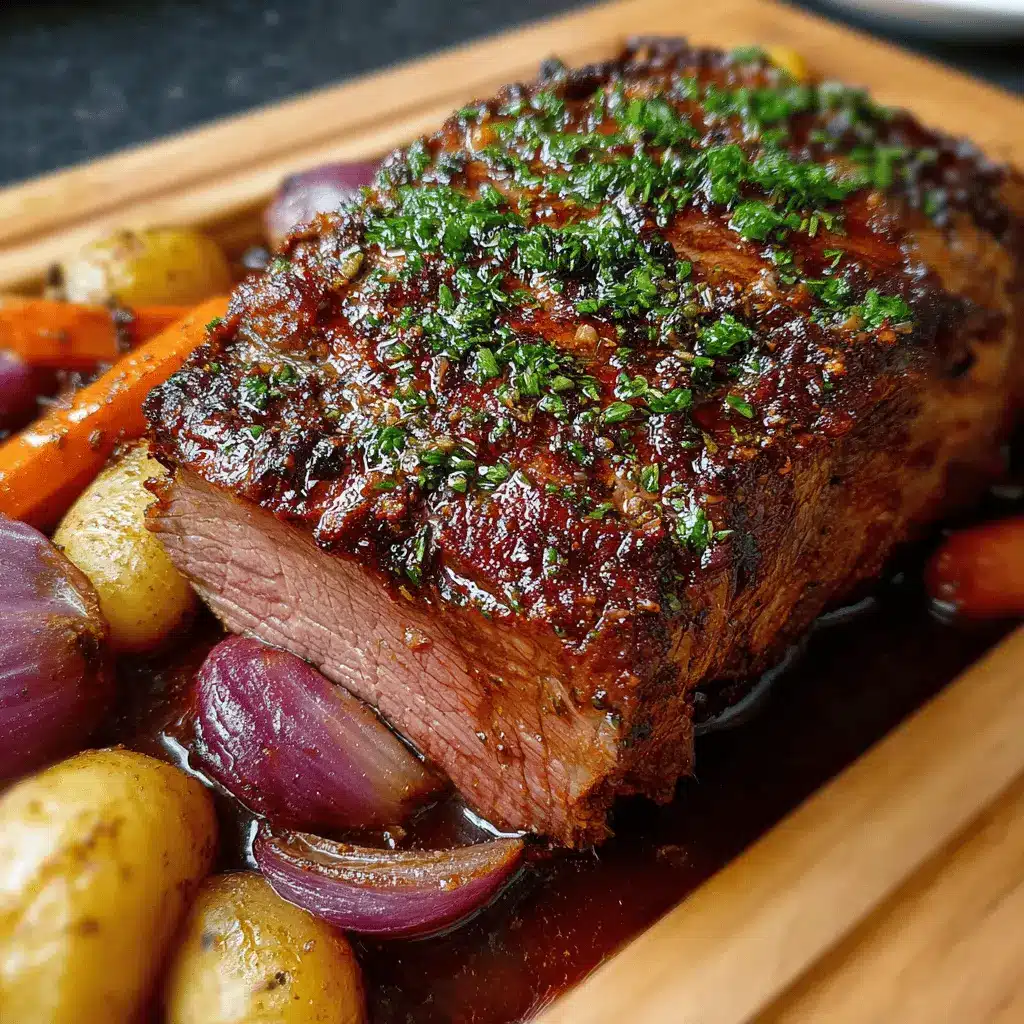
Introduction to Classic German Beef Roast
If you’re a young professional navigating the fast-paced world of careers, you know how important it is to have a repertoire of delicious, hearty meals that don’t take all day to prepare. Enter the classic German beef roast—a dish that not only satisfies your craving for comfort food but also impresses your friends and family.
Why this recipe is a must-try for young professionals
-
Simplicity Meets Flavor
The classic German beef roast is surprisingly easy to prepare with just a few core ingredients: quality beef, aromatic vegetables, and flavorful herbs. You can easily tackle this dish on a Sunday, letting it fill your kitchen with mouth-watering scents as it slow-cooks in the oven. According to the Pew Research Center, the rise of meal prepping among millennials emphasizes the need for convenient yet satisfying recipes, and this one fits the bill perfectly. -
A Nourishing Option
The blend of protein and vegetables in this dish not only satisfies your taste buds but also nourishes your body. Imagine sinking your teeth into tender beef layered with carrots, potatoes, and a variety of herbs—a wholesome meal that requires minimal effort but provides maximum comfort. A study published in the American Journal of Clinical Nutrition showed that home-cooked meals are often healthier than processed options, making this recipe a stellar addition to your culinary toolkit. -
Perfect for Entertaining
If you’re looking to impress during your next dinner gathering, this roast is bound to steal the show. Its rich flavors make it the ideal centerpiece, effortlessly paired with crusty bread or a fresh salad. Plus, you’ll have plenty of leftovers for lunch, saving you time and money all week long. Who wouldn’t love an inviting dish that speaks to both tradition and modern convenience?
In summary, the classic German beef roast is not just a meal; it’s a warm hug on a plate, a time-saver for your busy lifestyle, and a surefire way to elevate your cooking game. So why not roll up your sleeves and give this dish a try? You’ll be pleased with the results, and your taste buds will thank you!
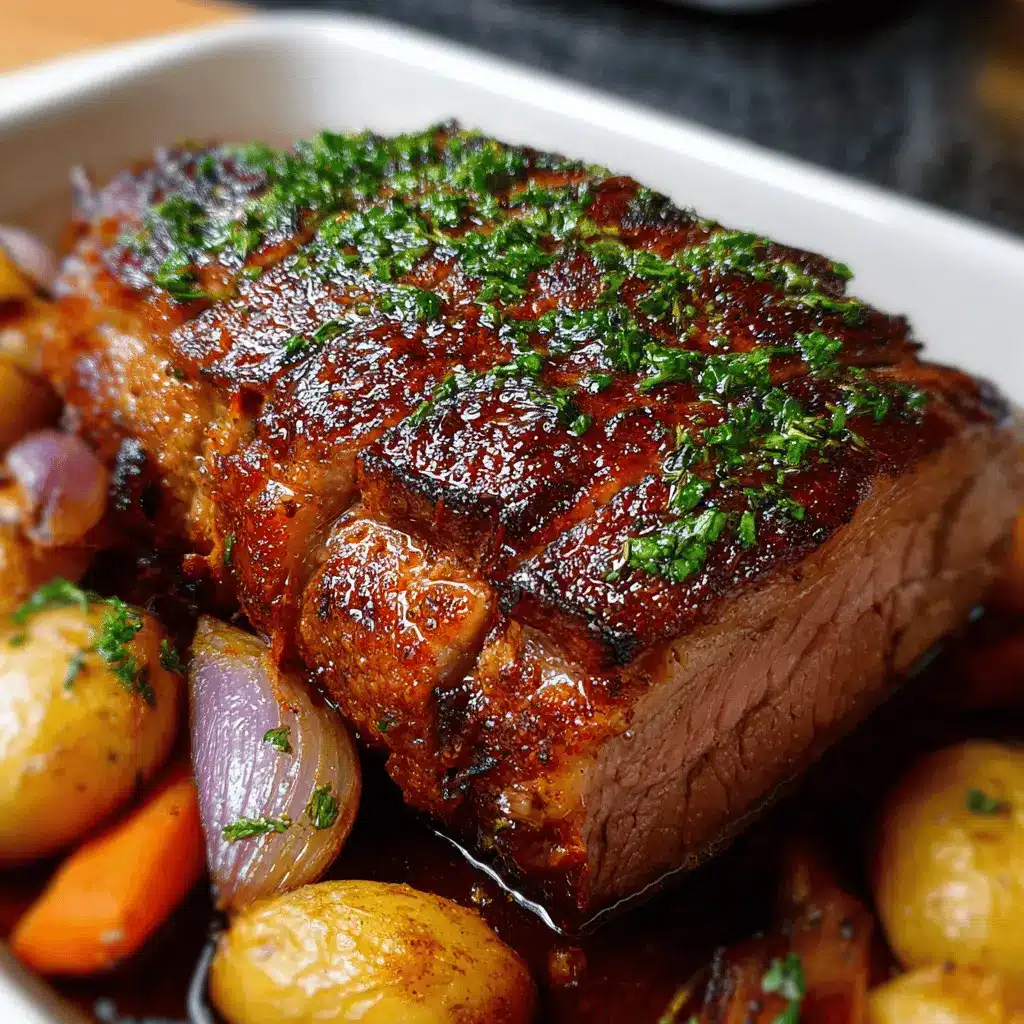
Ingredients for Classic German Beef Roast
Essential ingredients for a flavorful roast
Creating a mouthwatering classic German beef roast is all about selecting the right ingredients. Here’s a quick look at what you’ll need to elevate your roast to perfection:
- Beef roast: A high-quality cut, like chuck or brisket, ensures succulent flavors.
- Turkey bacon: Using turkey bacon as a leaner option adds depth without overpowering the beef.
- Onions and garlic: These aromatics provide a solid flavor base that enhances the roast’s richness.
- Carrots and potatoes: A hearty mix of these root vegetables helps create a complete meal while soaking up the delicious drippings.
- Beef broth: Opt for a low-sodium variety for better control over seasoning; it adds moisture and flavor.
- Traditionally used spices: Bay leaves, thyme, and black pepper can take your roast to the next level.
Using fresh and high-quality ingredients not only impacts taste but also supports local agriculture. Dive into the world of classic German flavors, and you’re sure to impress at your next dinner gathering! For tips on selecting the best cuts of beef, check out this guide from the USDA.
Preparing Classic German Beef Roast
Making a classic German beef roast is more than just a cooking process; it’s an experience that brings friends and family together. Everyone loves the warm, hearty flavors and tender meat. So, let’s jump into the steps to make this dish unforgettable, from preps to presentation!
Prep the beef for a juicy finish
Before you even touch the stove, it’s important to start with a good cut of beef, such as a chuck roast. This type of meat is rich in connective tissue, which will break down during slow cooking, resulting in a wonderfully tender roast.
-
Seasoning: Start by generously seasoning the beef with salt and pepper. Let it sit at room temperature for about 30 minutes to absorb the flavors. This simple step enhances the overall taste and ensures a juicy finish.
-
Marinating (optional): For added depth, consider marinating the beef overnight with herbs like thyme and rosemary, and a splash of low-sodium beef broth. Not only does this make for a bold flavor, but the acids help to tenderize the meat.
Sear the beef to enhance flavors
Now, let’s bring those flavors to life! A proper sear creates a delicious crust that locks in the juices.
-
The Right Pan: Use a heavy-bottomed pot like a Dutch oven. Heat about a tablespoon of olive oil over medium-high heat until shimmering.
-
Searing: Carefully place the beef in the pot. Allow it to sear without moving it for about 4-5 minutes on each side until it achieves a beautiful golden-brown color. This caramelization is key to a hearty flavor profile.
Here’s a tip: If you want to be extra generous with flavors, consider adding a bit of Turkey Bacon to the pot while searing for a smoky flavor boost. Just remember to remove it after making those scrumptious drippings!
Sauté the aromatic vegetables
While the beef is sizzling, it’s time to prepare the aromatic vegetables that will form the base of your classic German beef roast.
-
Key Vegetables: Think carrots, onions, and celery, along with some garlic for that punch of flavor. Chop these into uniform pieces for even cooking.
-
Cooking the Veggies: After searing, set the beef aside. In the same pot, add a touch more oil if needed, then toss in your chopped vegetables. Sauté them for about 5-7 minutes until they’re soft and fragrant, scraping up any bits stuck to the bottom. This is where magical things happen; those little bits will infuse the dish with exquisite taste.
Deglaze the pot for depth of flavor
Once your veggies are nicely sautéed, it’s time for the critical step of deglazing.
-
Choosing a Liquid: Use low-sodium beef broth instead of wine for a savory touch. Pour it into the pot, using a wooden spoon to scrape up all those brown bits that add so much flavor.
-
Simmer Ushered In: This deglazing process not only cleans the pot but also creates a rich, flavor-packed base for your classic German beef roast.
Simmer the roast to perfection
Now it’s time for the roast to work its magic in a gentle simmer.
-
Combining Ingredients: Return the beef to the pot. Add enough beef broth to cover about two-thirds of the roast, along with some fresh herbs (think thyme or bay leaves) for that aromatic lift.
-
Low and Slow: Cover the pot and simmer over low heat for around 2-3 hours or until the meat is fork-tender. If you have the option, using a slow cooker can elevate the flavor even more and free you up for other tasks.
Finishing touches can involve a quick simmer for the gravy with the cooked juices.
By the end of all these steps, you’ll not only have a classic German beef roast that’s sure to impress but also a delightful sense of accomplishment. Ready to serve? Pair it with some mashed potatoes or dumplings for the perfect meal! For more tips on serving ideas, check out these side dish recommendations from Serious Eats. Enjoy your cooking adventure!

Variations on Classic German Beef Roast
Adding Different Herbs and Spices
When it comes to a classic German beef roast, the beauty lies in its versatility. You can easily switch up the flavor profile with different herbs and spices. For an aromatic twist, consider adding:
- Thyme: This herb adds a warm, earthy note that complements the beef beautifully.
- Rosemary: Known for its robust flavor, rosemary can create a wonderful savory depth.
- Bay Leaves: These leaves are perfect for infusing the roast with subtle, herbal undertones.
Experimenting with spices like paprika or coriander can also elevate your dish! Whether you prefer a Bavarian-style approach with caraway seeds or a more contemporary twist with garlic and ginger, these adjustments can make your roast uniquely yours.
Adapting for Slow Cooker or Instant Pot
Not everyone has the time for traditional roasting methods, and that’s where the classic German beef roast can adapt effortlessly to a slow cooker or an Instant Pot. Here’s how you can make the most of these appliances:
-
Slow Cooker: Simply brown the beef first to enhance its flavor, then transfer it to the slow cooker with your chosen herbs, spices, and some broth or stock. Cook on low for 6-8 hours for a super tender meal.
-
Instant Pot: For a quicker option, sear the beef in the pot, then add your liquids and seasonings. Secure the lid and cook on high pressure for about 60 minutes, allowing for a quick release afterward.
By using these methods, you can enjoy the heartiness of a classic German beef roast without spending your whole day in the kitchen!
For more insights on kitchen techniques, check out this guide on slow cooking or this Instant Pot resource for expert tips.
Cooking Tips and Notes for Classic German Beef Roast
Ensuring Tenderness and Flavor
When preparing a classic German beef roast, your main goal should be achieving that melt-in-your-mouth tenderness. Here are some tips to guide you:
-
Choose the Right Cut: Opt for cuts like chuck roast or brisket, known for their rich flavors and tenderness when slow-cooked. These cuts are perfect for absorbing all those hearty spices and seasonings.
-
Marinate Ahead: A good marinade can work wonders. Consider using a mix of low-sodium beef broth and aromatics like garlic or onions. If you’re short on time, even a couple of hours can make a difference—just let those flavors seep in!
-
Low and Slow: Cooking your roast at a low temperature for several hours allows the connective tissues to break down. This slow-cooking method is vital for a classic German beef roast with depth and richness.
-
Rest Before Slicing: After cooking, let your roast sit for at least 15 minutes. This allows the juices to redistribute, ensuring every slice is juicy and flavorful.
These simple steps can elevate your classic German beef roast to a delightful centerpiece for any gathering. For further insights on marination and cooking techniques, check out resources from America’s Test Kitchen. Happy cooking!

Serving suggestions for Classic German Beef Roast
Traditional sides to complement the dish
Pairing your classic German beef roast with the right sides can truly elevate the dining experience. Here are some traditional favorites that not only complement the rich flavors of the roast but also add a delightful touch to your table.
-
German Potato Salad: This warm salad, made with tender potatoes and a tangy vinegar dressing, introduces a delightful contrast to the savory roast. It’s a must-try!
-
Red Cabbage: A festive side dish, sweet and sour red cabbage adds a burst of color and flavor, balancing the richness of your beef. Plus, it’s packed with nutrients.
-
Spaetzle: These soft egg noodles are perfect for soaking up the delicious gravy from your roast. They’re comforting and a family favorite for sure.
-
Roasted Vegetables: Carrots, Brussels sprouts, or any seasonal veggies can enhance the meal’s nutritional profile while providing extra texture.
Experimenting with these sides not only showcases your culinary skills but also makes for an inviting dinner setting. For more ideas on German cuisine, check out German Food Guide. Pairing your classic German beef roast with these dishes is sure to impress your guests!
Time Breakdown for Classic German Beef Roast
When preparing your classic German beef roast, understanding the time involved can help streamline your cooking process. Here’s a handy breakdown to keep you on track while enjoying the journey.
Preparation Time
Getting ready to cook is half the battle! For this dish, you’ll need about 15-20 minutes to gather your ingredients, prep your meat, and chop your veggies. Trust me, taking this time upfront will save you stress later and ensure a smooth experience.
Cooking Time
The slow and steady cooking process really brings out the flavors. Expect to spend around 2.5 to 3 hours roasting in the oven. This is where the magic happens, so don’t rush it!
Total Time
Add it all up, and you’re looking at a total of approximately 3 to 3.5 hours from start to finish. This is perfect for those cozy weekends when you want a hearty meal that feels like a true labor of love.
For more cooking tips or to explore other related recipes, check out food enthusiasts’ forums or credible culinary blogs like Serious Eats for additional insights. Happy cooking!
Nutritional Facts for Classic German Beef Roast
Understanding the nutritional profile of your classic German beef roast can help you make more informed dining choices. Here’s a quick look at its essential nutritional facts:
Calories
A generous serving of classic German beef roast typically contains around 250–300 calories. This makes it a satisfying yet balanced option for a family meal. Pair it with vegetables for a complete plate that feels indulgent without being overly heavy.
Protein
Beef is known for being a protein powerhouse. You can expect about 25–30 grams of protein per serving of classic German beef roast. Protein is crucial for maintaining muscle mass and overall health, making this dish a great post-workout option.
Sodium
On the sodium front, a serving usually contains about 600–800 mg, depending on how you season. Managing your sodium intake is important for heart health, so choose low-sodium broth alternatives and be sure to monitor portion sizes.
For more tips on healthy eating, you might consider resources like the American Heart Association or ChooseMyPlate.gov, which offer excellent guidance on balanced nutrition.
FAQ about Classic German Beef Roast
How do I know when the roast is done?
Determining if your classic German beef roast is perfectly cooked comes down to internal temperature. For a tender, juicy roast, aim for:
- Medium rare: 135°F (57°C)
- Medium: 145°F (63°C)
- Medium well: 150°F (65°C)
Using a meat thermometer is the most reliable method. Insert it into the thickest part of the roast, avoiding contact with bones for an accurate reading. Besides temperature, look for juices running clear and a tender texture.
What can I substitute for beef broth?
If you’re short on beef broth for your classic German beef roast, don’t worry! There are several excellent alternatives:
- Chicken broth: Lighter in flavor, yet still provides a nice depth.
- Vegetable broth: Adds a subtle complexity, perfect for a vegetarian twist.
- Water with bouillon cubes: Quick and convenient if you have bouillon on hand.
These alternatives can enhance your dish while possibly catering to dietary preferences. Check out The Spruce Eats for more broth substitutions.
Can I freeze leftovers?
Absolutely! Freezing classic German beef roast leftovers is a great way to save them for later. Here’s what you need to do:
- Cool the roast completely before freezing to ensure the best texture.
- Wrap securely in aluminum foil or freezer-safe containers, removing excess air.
- Label and date your packages for easy reference later.
When stored properly, your roast can last up to three months in the freezer. Just thaw overnight in the fridge when you’re ready to enjoy it again!
Feel free to reach out if you have more questions; I’m here to help!
Conclusion on Classic German Beef Roast
Recap of the Joys of Homemade Meals
As we wrap up our exploration of the classic German beef roast, let’s reflect on the pure joy of preparing homemade meals. There’s something undeniably satisfying about engaging with fresh ingredients and transforming them into a comforting dish that’s brimming with flavor.
Think about those moments gathered around the table with friends or family, sharing laughter and stories over a steaming pot of roast. According to the National Institute of Health, home-cooked meals often lead to healthier choices and greater satisfaction. By mastering recipes like this one, you’re not just cooking; you’re creating cherished memories.
So, why not try your hand at this comforting dish? For more tips on perfecting your roast, check out the Culinary Institute of America. Happy cooking!
Print
Classic German Beef Roast: A Juicy Family Favorite Recipe
- Total Time: 4 hours
- Yield: 8 servings
Description
Experience the rich flavors of a traditional German beef roast that brings the family together for a hearty meal.
Ingredients
- 3 pounds beef roast
- 2 tablespoons vegetable oil
- 1 teaspoon salt
- 1/2 teaspoon black pepper
- 4 cloves garlic, minced
- 2 cups beef broth
- 1 cup onions, chopped
- 2 carrots, sliced
- 2 celery stalks, sliced
- 2 tablespoons fresh parsley, chopped
Instructions
- Preheat the oven to 325°F (163°C).
- Season the beef roast with salt and pepper, then heat the oil in a large skillet over medium-high heat.
- Sear the roast until browned on all sides, about 5-7 minutes.
- Transfer the roast to a roasting pan, adding the garlic, onions, carrots, celery, and beef broth.
- Cover the pan with aluminum foil and bake for 3 hours, or until the meat is tender.
- Remove the foil and bake for an additional 30 minutes to enhance browning.
- Let the roast rest for 15 minutes before slicing.
- Garnish with fresh parsley and serve warm.
Notes
- For best results, use a meat thermometer to ensure perfect doneness.
- Feel free to add your favorite vegetables.
- Prep Time: 30 minutes
- Cook Time: 3 hours 30 minutes
- Category: Main Course
- Method: Roasting
- Cuisine: German
Nutrition
- Serving Size: 1 slice
- Calories: 350
- Sugar: 2 grams
- Sodium: 800 milligrams
- Fat: 15 grams
- Saturated Fat: 5 grams
- Unsaturated Fat: 9 grams
- Trans Fat: 0 grams
- Carbohydrates: 10 grams
- Fiber: 2 grams
- Protein: 40 grams
- Cholesterol: 100 milligrams