Introduction to Christmas Prime Rib
Why Christmas Prime Rib is a Festive Favorite
There’s something extra special about gathering with loved ones over a succulent Christmas Prime Rib. This impressive cut of beef is more than just a meal; it’s a centerpiece that brings a sense of warmth and celebration to the holiday table. But why has this dish become synonymous with festive dinners?
One reason is the rich flavor it offers. Prime rib, especially when cooked to perfection, boasts a tenderness that melts in your mouth. The marbling of the meat ensures a juicy bite every time, making it a favorite among many. According to the USDA, it’s considered one of the finest cuts of beef one can enjoy, and rightly so!
Another appealing aspect of Christmas Prime Rib is the tradition it embodies. Families often gather around the table, sharing stories and laughter while carving this showstopper. The ritual of preparing and presenting a prime rib can create lasting memories, as many people pass down their cooking techniques through generations. Did you know that a survey by Food & Wine revealed that over 60% of families celebrate Christmas with a special meal, making it a cornerstone of holiday festivities?
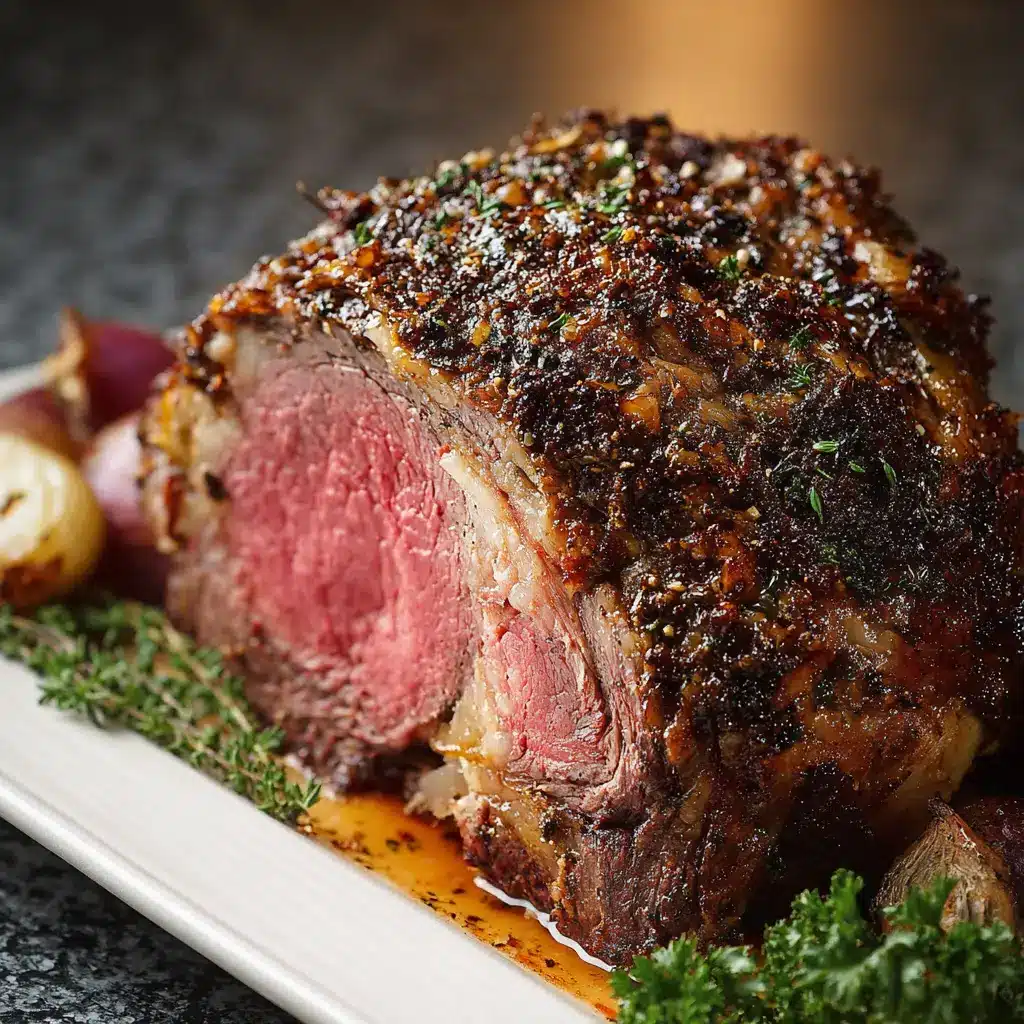
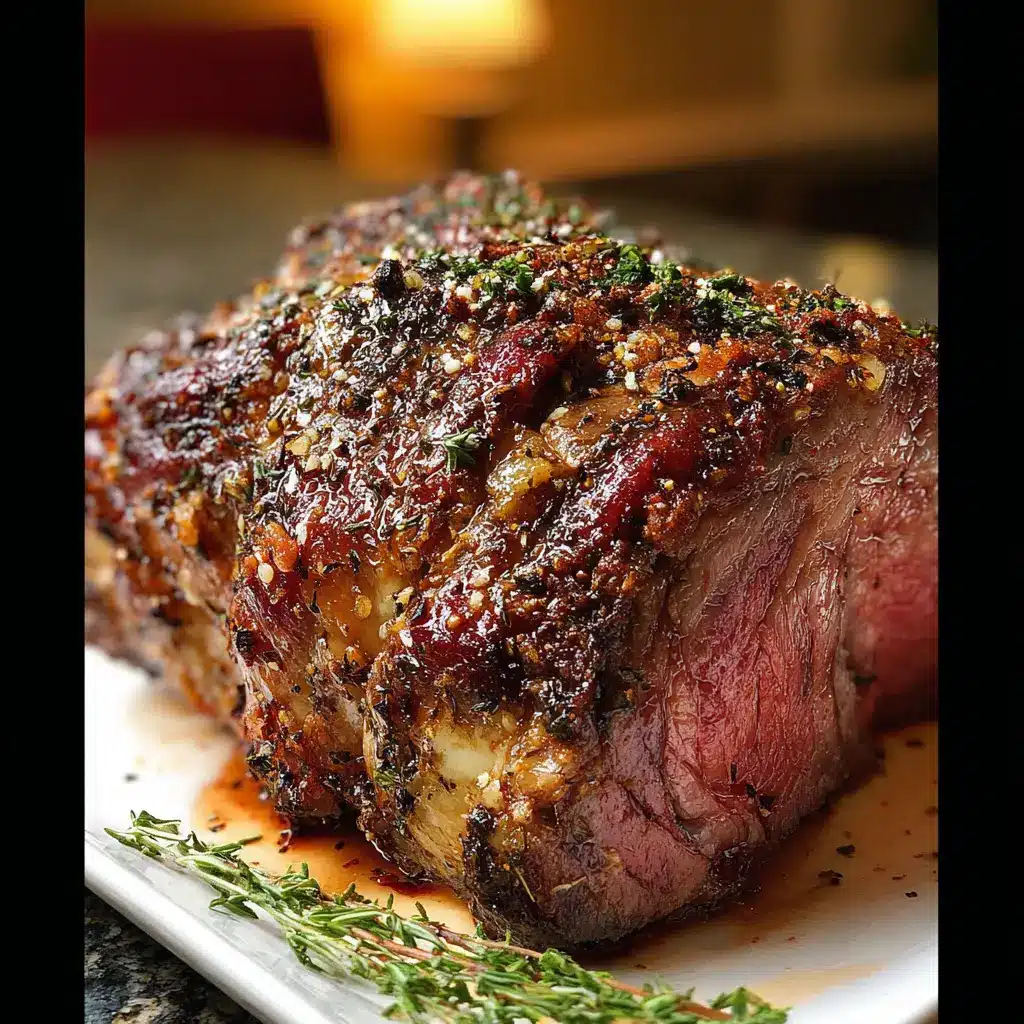
Now, let’s not forget the presentation: a perfectly roasted prime rib with a beautiful crust creates a stunning visual impact. Imagine guests marveling at the sight of a beautifully seared roast, garnished with fresh herbs—it’s a feast for the eyes as much as the palate!
In terms of ease, cooking a Christmas Prime Rib can be surprisingly straightforward. With tips and a foolproof recipe, even novice cooks can produce a restaurant-quality dish that impresses. Plus, this cut pairs beautifully with hearty sides like creamy mashed potatoes and seasoned vegetable medleys, making it easy to build a full, festive menu.
In conclusion, whether you’re hosting a large gathering or enjoying a quiet family holiday, Christmas Prime Rib is more than just a meal—it’s a celebration of flavor, tradition, and togetherness. So, roll up your sleeves, prepare to gather your loved ones, and let this guide lead you to a delicious holiday feast!
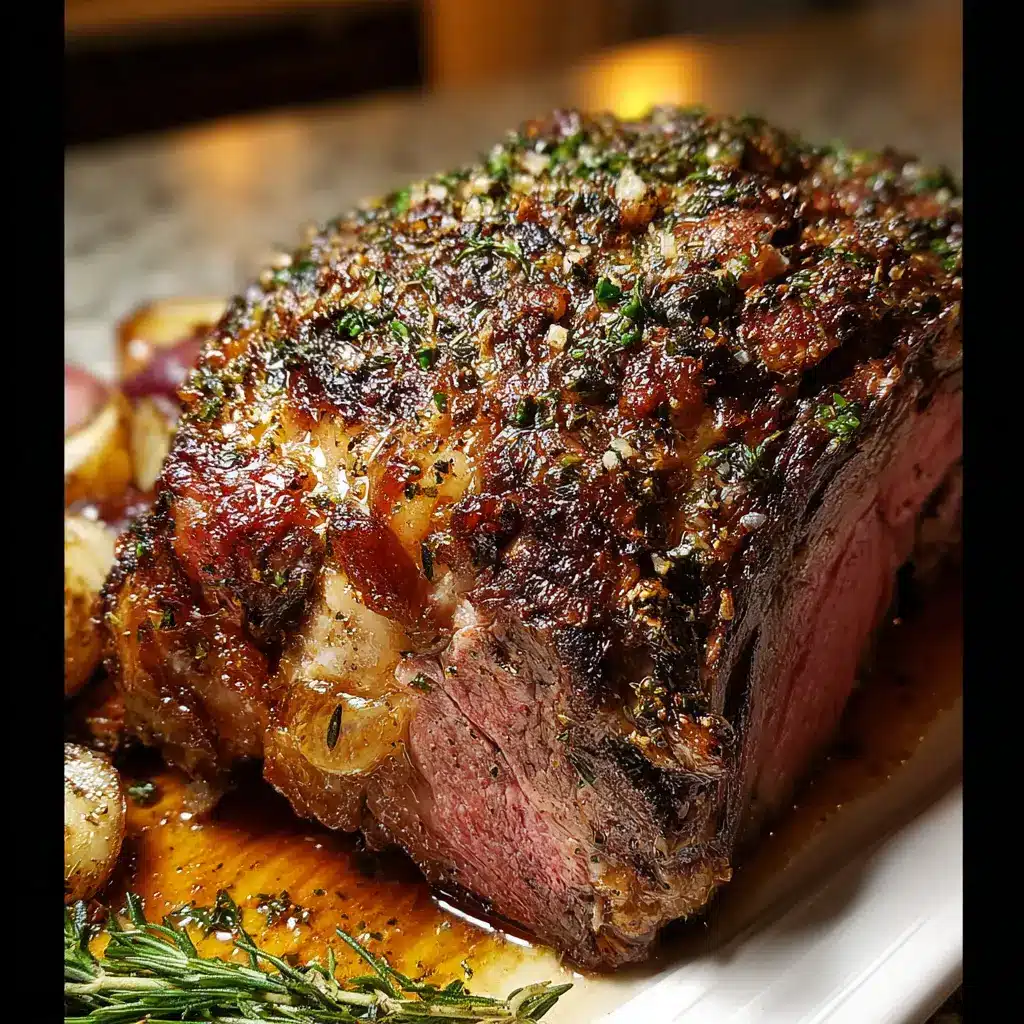
Ingredients for Christmas Prime Rib
Creating the perfect Christmas Prime Rib is all about selecting the right ingredients. Here’s a breakdown to guide you:
Essential Ingredients for the Prime Rib
To craft a delicious and succulent Christmas Prime Rib, you’ll need:
- Prime Rib Roast: A well-marbled cut, ideally 4 to 6 pounds for a family gathering.
- Kosher Salt: For seasoning, enhancing the meat’s natural flavors.
- Freshly Ground Black Pepper: Offers a nice kick and depth of flavor.
- Garlic: 4 cloves, minced, for that delightful aromatic quality.
- Herbs: Fresh rosemary and thyme elevate the taste, making it festive.
Selecting high-quality ingredients like those from Beef.org can truly make a difference in your dish.
Optional Ingredients for Red Wine Au Jus
While the star is undoubtedly the Christmas Prime Rib, a delicious au jus can elevate your meal:
- Beef Broth: Improves the base flavor of your sauce.
- Turkey Bacon: Adds richness and a touch of smokiness.
- Shallots or Onions: For sweetness and complexity in flavor.
Feel free to customize your au jus—it can be as simple or elaborate as you like!
Preparing Christmas Prime Rib
Preparing Christmas Prime Rib is an experience that can bring friends and family together in a way few other dishes can. The aroma, the tenderness, and the flavors are surely enough to create memories that last a lifetime. Let’s walk through each step to ensure your roast turns out perfect!
Bring to Room Temperature
Before you start cooking, the first step is simple: let your Christmas Prime Rib sit at room temperature for about 2 hours. Why is this important? A room-temperature roast cooks more evenly, resulting in juicy meat with that perfect pink center. You wouldn’t pull a cold steak from the fridge and cook it, right? It’s essential to take this step for optimal flavor and better texture.
Preheat the Oven & Make Herb Butter
To get your oven ready, preheat it to 450°F (232°C). While that’s heating up, let’s whip up a delicious herb butter. Combine 1 cup of softened butter with chopped garlic, fresh rosemary, thyme, and a pinch of salt. This is where the magic starts—the herb butter not only enhances flavor but also keeps the roast succulent. Spread this mixture all over the exterior of your roast.
Prepare the Roast
Now, it’s time to prepare your Christmas Prime Rib. Pat the roast dry and season generously with kosher salt and freshly ground black pepper. If you have some time, rubbing the spices in and letting it sit for an hour or two can really deepen the flavors. Use a roasting pan with a rack to lift the roast off the pan—this allows for even cooking from all sides.
Roast at High Heat
Once your oven is piping hot, pop the roast in and let it sear for about 20 minutes at that high temperature. This initial blast of heat will create a beautiful crust that seals in the juices. You can almost smell it already, can’t you?
Roast Low & Slow
After 20 minutes, reduce the oven temperature to 325°F (163°C) and continue cooking. The ideal cooking time is roughly 15-18 minutes per pound for a medium-rare roast. If you’re not sure, investing in a reliable meat thermometer is a game-changer, allowing you to monitor the internal temperature (aim for 130-135°F for medium-rare) without opening the oven door.
Resting the Roast
Once your Christmas Prime Rib reaches the desired temperature, take it out and tent it with aluminum foil. This resting phase for about 20-30 minutes is crucial; it allows the juices to redistribute throughout the meat, resulting in a tender, flavorful slice. Trust me, the wait is worth it!
Carve the Roast
To carve your roast, start at one end and slice against the grain for the best texture. Aim for about 1/2-inch thick slices. Watch as the juices flow out and release those delightful aromas. If you’re hosting, carving it at the table adds a touch of elegance to your Christmas Prime Rib serving.
Make Optional Au Jus
For an added layer of flavor, consider making an optional au jus. Simply take the drippings from your roasting pan, skim off excess fat, and add low-sodium beef broth. Simmer and stir to your liking. It’s the perfect accompaniment for your roast slices.
If you’re feeling adventurous, check out this guide on how to make delicate au jus that can elevate your holiday meal.
There you go! With these steps to prepare your Christmas Prime Rib, you’ll be on your way to impressing your guests and creating unforgettable holiday memories. Remember, cooking is about enjoyment, so have fun with it!
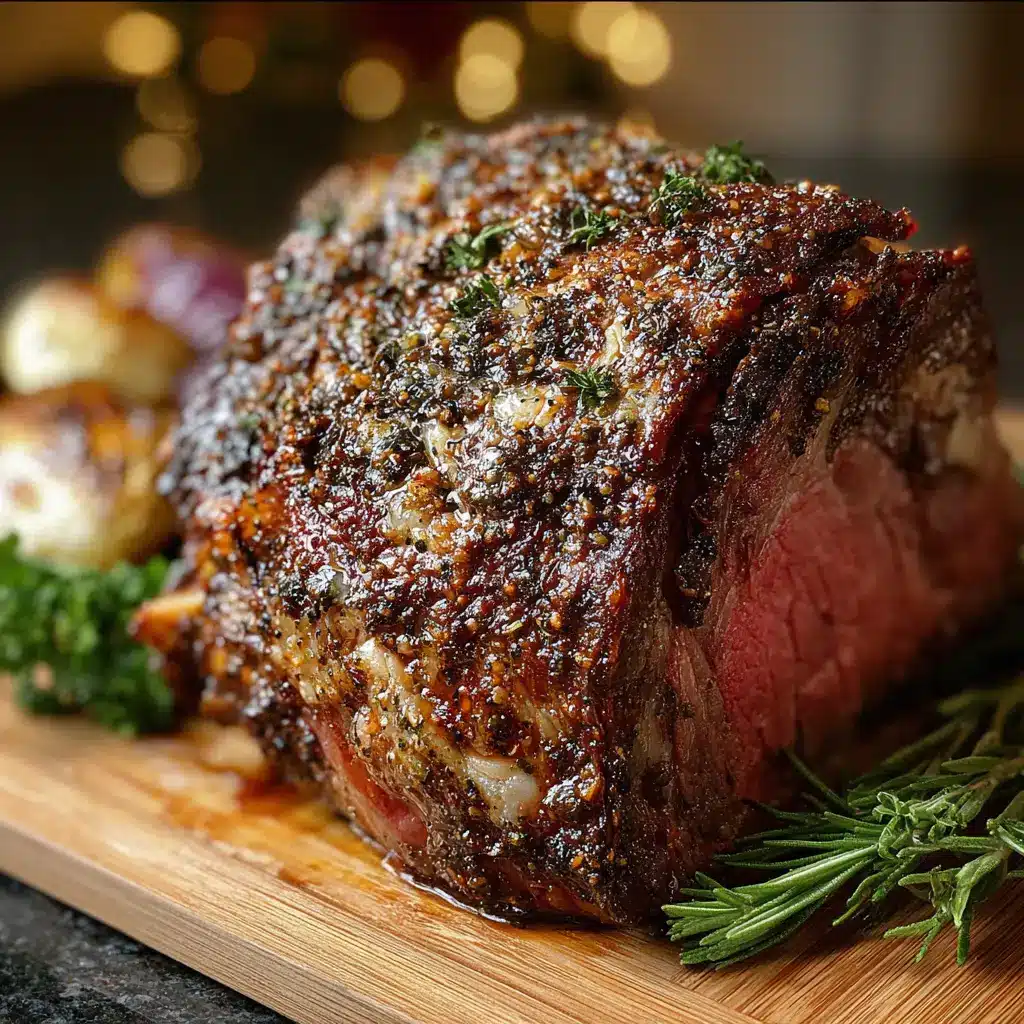
Variations on Christmas Prime Rib
Elevating your Christmas Prime Rib to new heights is easier than you might think! These variations can add a delightful twist to the traditional roast, ensuring your holiday feast is memorable.
Herb-Crusted Prime Rib
One of the best ways to add flavor is by creating a flavorful herb crust. Using a blend of fresh herbs such as rosemary, thyme, and parsley not only enhances the taste but also adds an appealing visual element to your Christmas Prime Rib. To create your herb crust:
- Combine minced garlic, chopped herbs, and olive oil to form a paste.
- Generously slather it over the surface of the roast before cooking.
- Sprinkle with salt and pepper for an added zing.
This herbaceous twist will tantalize your taste buds and infuse your prime rib with a fragrant aroma that fills your home.
Garlic and Pepper-Infused Prime Rib
If you love a robust flavor, consider a garlic and pepper-infused Christmas Prime Rib. The combination of garlic and freshly cracked black pepper transforms your roast into something extraordinary. Here’s how you can do it:
- Create small slits all over the meat and fill them with sliced garlic cloves.
- Generously coat the exterior with cracked black pepper, salt, and a drizzle of olive oil.
This method not only gives your roast a spicy kick but also ensures every bite is packed with flavor. Paired with rich sides like creamy mashed potatoes or roasted vegetables, your holiday meal will feel truly extravagant.
For more tips and variations on holiday meals, check out this fantastic resource on cooking techniques. Happy cooking!
Cooking Notes for Christmas Prime Rib
Tips for Cooking the Perfect Prime Rib
When it comes to Christmas Prime Rib, a few simple tips can elevate your dish from good to unforgettable:
- Choose the Right Cut: Opt for a prime cut if possible, as it offers better marbling and flavor. Look for cuts labeled “Prime” or “Choice.”
- Season Generously: A classic blend of salt, pepper, and garlic powder can work wonders, but don’t hesitate to experiment with herbs like rosemary or thyme.
- Use a Reliable Meat Thermometer: For perfect doneness, aim for an internal temperature of 130°F for medium-rare. Remember to check at the thickest part of the roast.
Importance of Resting Your Roast
Don’t skip this crucial step! Resting your Christmas Prime Rib for at least 20-30 minutes after roasting helps redistribute the juices, ensuring a tender and juicy experience. This allows the meat to continue cooking slightly, leading to a more flavorful meal.
For detailed tips on cooking large cuts of beef, you can check resources like Beef It’s What’s For Dinner. Happy cooking, and enjoy a feast your guests won’t soon forget!
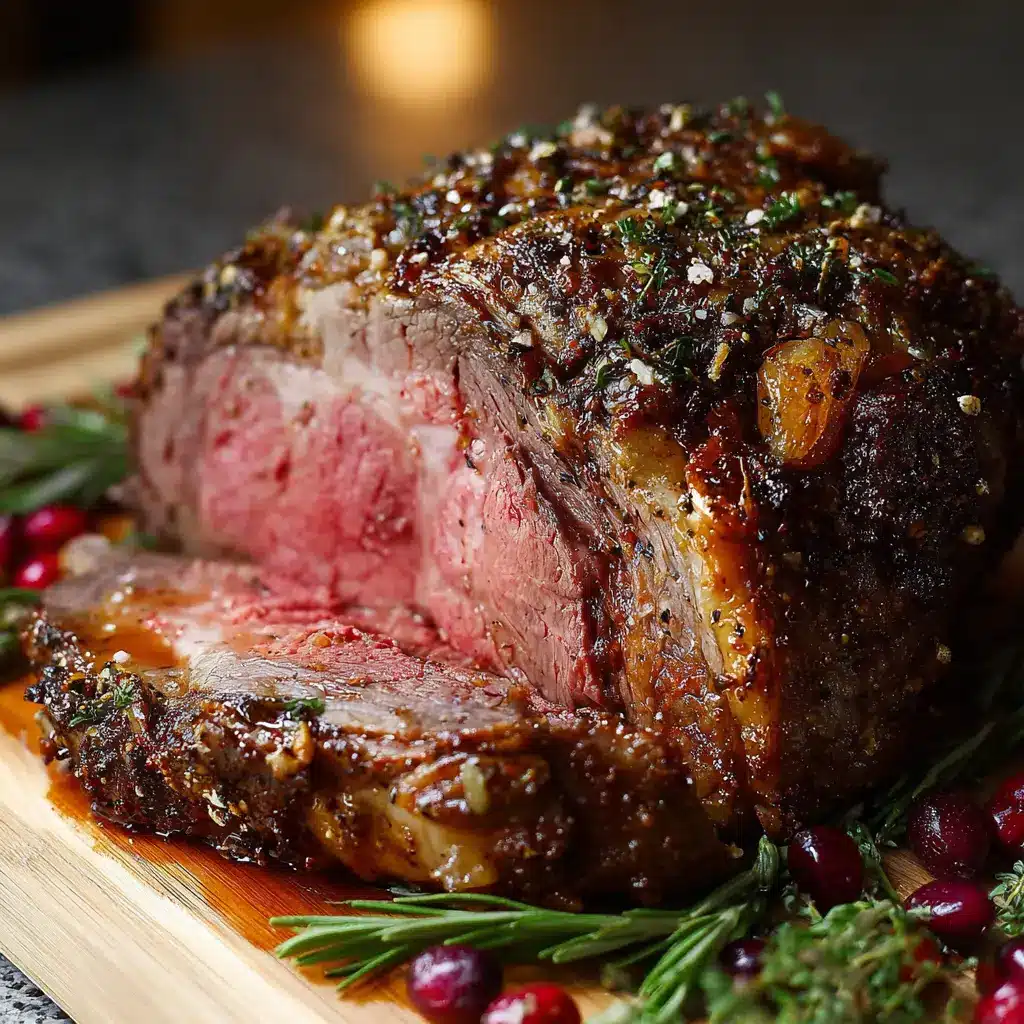
Serving Suggestions for Christmas Prime Rib
Ideal Side Dishes
When it comes to Christmas Prime Rib, sides can elevate your feast. Consider pairing your succulent roast with:
- Garlic Mashed Potatoes: Creamy and infused with roasted garlic, they harmoniously soak up the delicious juices.
- Roasted Brussels Sprouts: These add a burst of color and a slightly nutty flavor that complements the meat.
- Creamed Spinach: Rich, cheesy, and oh-so-comforting, this dish is a classic that never disappoints.
For something festive, add a vibrant cranberry sauce or a fresh salad to balance the richness of your roast.
Complementary Sauces and Condiments
Adding the right sauces can take your Christmas Prime Rib to new heights. Here are a few ideas:
- Horseradish Cream Sauce: This kick of spice perfectly contrasts the tenderness of the beef, making every bite exciting.
- Au Jus: A savory beef jus enhances the natural flavors.
- Mustard: A touch of grainy mustard adds a tang that’s surprisingly pleasant.
Don’t forget some fresh herbs for garnish! They not only look appealing but also brighten up the plate.
If you’re curious about pairing options, check out this comprehensive guide on side dishes to create a festive spread that impresses everyone at the dinner table. Enjoy the seasonal gathering with these fantastic suggestions!
Time Breakdown for Christmas Prime Rib
Preparation Time
Preparing your Christmas Prime Rib is half the battle, and it’s surprisingly straightforward! Set aside about 30-45 minutes to season and prep the meat. This includes allowing it to sit at room temperature for even cooking. Don’t rush it—this step is key to a juicy and flavorful roast.
Cooking Time
The cooking time for your Christmas Prime Rib varies depending on the size and desired doneness. Generally, you’ll want to plan for approximately 2-3 hours in the oven. Remember to factor in resting time afterward, which is crucial for keeping that succulent texture.
Total Time
In total, you can expect the entire process, from prep to serving, to take around 3-4 hours. It may sound like a commitment, but the end result—a tender, mouth-watering prime rib—makes it well worth your while. If you want a stress-free holiday, consider preparing side dishes ahead of time! For more helpful tips, check out resources from the Meat Institute or Beef It’s What’s For Dinner.
Nutritional Facts for Christmas Prime Rib
When it comes to a Christmas Prime Rib, understanding the nutritional profile is key to balancing indulgence and health, especially during the holiday season.
Calories
A typical serving of Christmas Prime Rib offers about 300-400 calories, depending on how it’s cooked and seasoned. This makes it a flavorful centerpiece that can fit well within a festive meal.
Protein Content
Packed with protein, a single serving provides around 25-30 grams. This not only contributes to muscle health but also keeps you feeling satiated longer, making your holiday feast a bit more satisfying.
Sodium Level
While delicious, watch the sodium levels! Prime rib can contain about 700-800 mg of sodium per serving, largely depending on the seasoning. To keep it heart-healthy, consider using fresh herbs and spices as alternatives to salt.
For more in-depth nutrition tips, check out Healthline and USDA FoodData Central for comprehensive dietary information.
FAQs About Christmas Prime Rib
How do I know when my prime rib is done?
Cooking the perfect Christmas Prime Rib can feel intimidating, but the secret lies in temperature. The best way to check doneness is with a meat thermometer. Aim for:
- Rare: 120°F (49°C)
- Medium Rare: 130°F (54°C)
- Medium: 140°F (60°C)
- Medium Well: 150°F (66°C)
- Well Done: 160°F (71°C)
Remember, the meat continues to cook as it rests, so pulling it out of the oven a few degrees below your target is wise. For a deep dive into cooking temperatures, you might find this resource from the USDA helpful.
Can I prepare prime rib in advance?
Absolutely! Preparing your Christmas Prime Rib in advance can save you from the last-minute rush. You can season the roast and let it sit in the fridge overnight, allowing the flavors to penetrate the meat. On the day of cooking, simply allow it to come to room temperature before roasting. For step-by-step tips on preparation, check out this guide.
What are some good side dishes to serve with prime rib?
Pairing your Christmas Prime Rib with the right sides can elevate your meal. Consider these delicious options:
- Garlic Mashed Potatoes: Creamy and comforting, they perfectly complement the rich beef.
- Roasted Vegetables: Seasonal veggies like Brussels sprouts and carrots add color and flavor.
- Yorkshire Puddings: A classic that’s always a hit at holiday gatherings.
- Creamed Spinach: Rich and flavorful, this side adds a lovely contrast to the meat.
By planning your sides, you create a well-rounded meal that’s sure to impress your guests. Happy cooking!
Conclusion on Christmas Prime Rib
Recap of the Joy of Homemade Prime Rib
Bringing a Christmas Prime Rib to your holiday table is more than just a meal; it’s an experience steeped in tradition and flavor. The aroma of a perfectly roasted prime rib fills your home, creating an inviting atmosphere for family and friends. As you carve into that tender, juicy cut, the smiles and compliments from your loved ones make all the effort worthwhile.
Remember, the key to a flawless prime rib lies in patience, preparation, and seasoning. Don’t hesitate to explore different sides and alternative beverages to complement your feast. For inspiration on pairing side dishes, check out this comprehensive guide. So this Christmas, embrace the joy of cooking and create delightful memories over a delectable prime rib roast that everyone will cherish long after the last bite is enjoyed.
Print
Christmas Prime Rib: Ultimate Juicy & Foolproof Recipe for Success
- Total Time: 1 hour 45 minutes
- Yield: 6-8 servings
- Diet: Carnivore
Description
Learn how to make the perfect Christmas Prime Rib with this ultimate juicy and foolproof recipe that guarantees success.
Ingredients
- 1 rib roast (about 5-6 pounds)
- 3 tablespoons kosher salt
- 1 tablespoon black pepper
- 4 cloves garlic, minced
- 2 tablespoons fresh rosemary, chopped
- 2 tablespoons fresh thyme, chopped
- 1 tablespoon olive oil
- 2 cups beef broth
Instructions
- Preheat your oven to 500°F (260°C).
- In a small bowl, combine salt, pepper, garlic, rosemary, thyme, and olive oil to create a paste.
- Rub the paste all over the rib roast.
- Place the rib roast in a roasting pan, bone-side down.
- Roast in the preheated oven for 20 minutes.
- Reduce the temperature to 325°F (165°C) and continue to roast until a meat thermometer reads 130°F (54°C) for medium-rare.
- Remove the roast and let it rest for at least 20 minutes before slicing.
- Serve with au jus made from the drippings and beef broth.
Notes
- Letting the meat rest helps the juices redistribute.
- For a well-done roast, cook until the meat thermometer reads 160°F (71°C).
- Prep Time: 15 minutes
- Cook Time: 1 hour 30 minutes
- Category: Main Dish
- Method: Roasting
- Cuisine: American
Nutrition
- Serving Size: 1 slice
- Calories: 350
- Sugar: 0g
- Sodium: 800mg
- Fat: 24g
- Saturated Fat: 10g
- Unsaturated Fat: 10g
- Trans Fat: 1g
- Carbohydrates: 0g
- Fiber: 0g
- Protein: 33g
- Cholesterol: 100mg