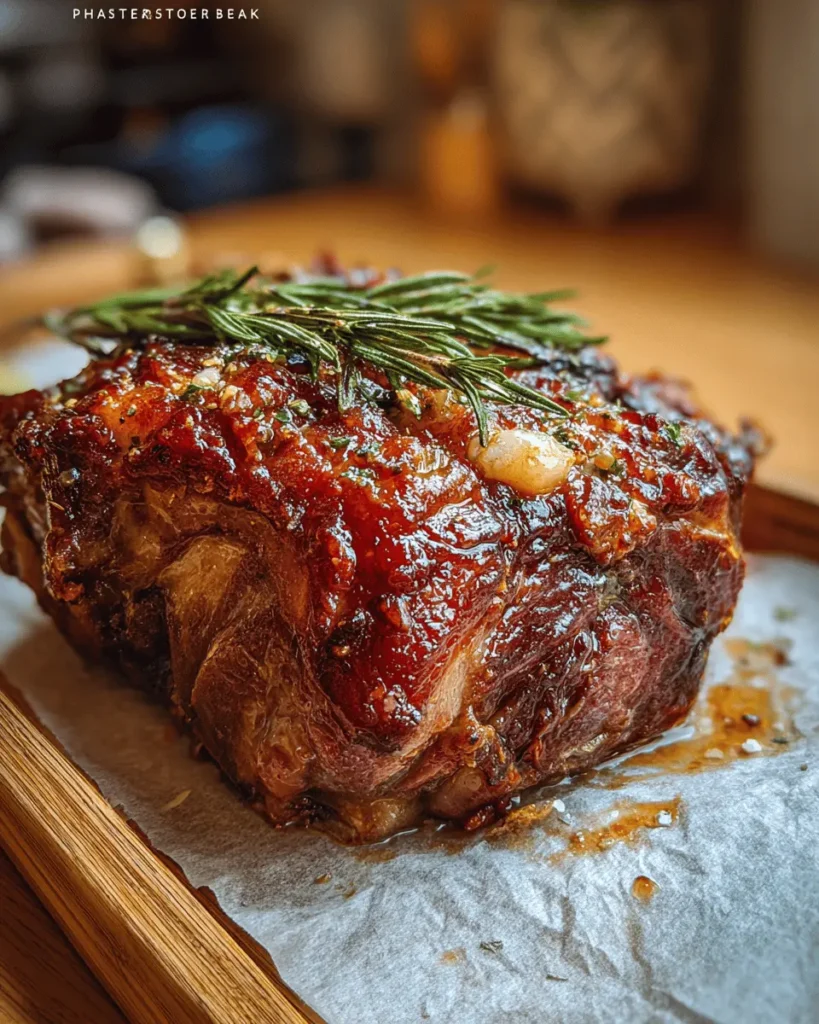
Introduction to Beef-Based German-Style Knuckle
Why embrace homemade cooking?
In today’s fast-paced world, it’s easy to forget the joy of preparing a meal from scratch. Embracing homemade cooking not only allows you to control what goes into your dishes but also gives you the pleasure of crafting something uniquely yours. When you cook at home, you can opt for fresher, higher-quality ingredients—like choosing pasture-raised beef for your Beef-Based German-Style Knuckle. Plus, the therapeutic act of cooking can be a delightful reprieve from the daily grind.
Making a hearty meal at home also provides an opportunity to bond with family or friends. Imagine gathering your loved ones around the table, sharing stories, laughter, and, of course, a delicious beef dish. You can take a step back from the hectic world outside and create a memorable culinary experience. Not to mention, you can control portion sizes and keep things healthy without sacrificing flavor.
A personal favorite: My journey with beef-based dishes
When I first ventured into the realm of beef-based dishes, I was met with a mix of excitement and trepidation. The idea of making a Beef-Based German-Style Knuckle seemed daunting at first, but it quickly evolved into one of my favorite recipes. It was during a winter gathering with friends that I decided to give it a shot, and the experience was nothing short of transformative.
As I simmered the beef, the fragrant herbs and spices enveloped my kitchen, and soon, my friends were drawn in by the inviting aroma. I remember noting how the richness of the slow-cooked beef combined perfectly with a side of roasted vegetables. To this day, I find myself reminiscing about that evening and how it ignited my passion for homemade meals.
If you’re keen to explore the fulfilling world of beef cooking, this Beef-Based German-Style Knuckle recipe is an excellent place to start. With each slice, you’ll taste the love and hard work that goes into creating something truly special. Plus, it’s a fantastic conversation starter at any dinner party.
For more tips on cooking with beef, check out resources from Beef It’s What’s For Dinner or explore flavorful cooking techniques at America’s Test Kitchen.
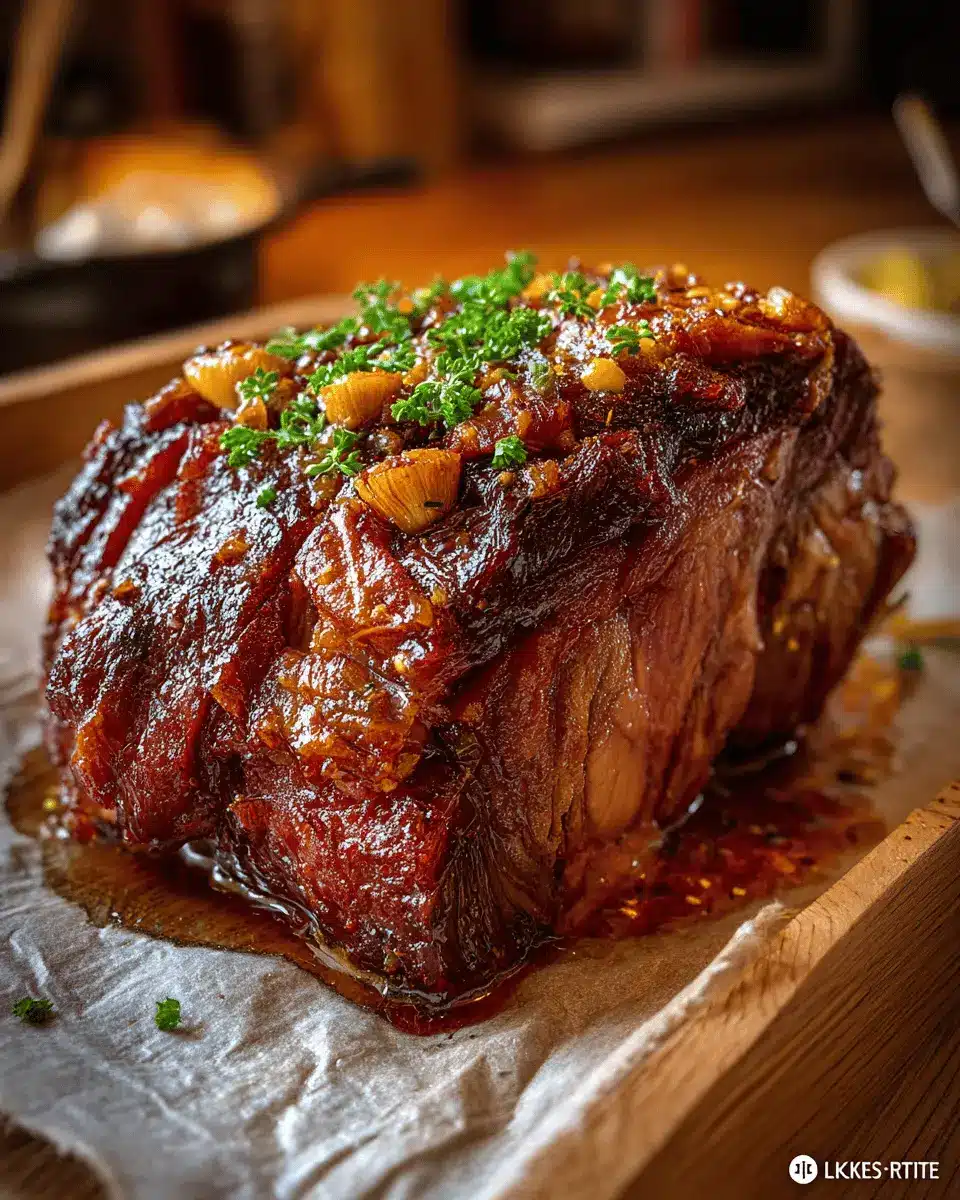
Ingredients for Beef-Based German-Style Knuckle
Essential ingredients for the perfect knuckle
To create a mouthwatering Beef-Based German-Style Knuckle, you’ll want to gather the following core ingredients:
- Beef knuckle: Choose a well-marbled cut for maximum flavor and tenderness.
- Turkey bacon: This adds a smoky depth that complements the beef beautifully.
- Chicken ham: Adds a unique twist while infusing the dish with savory goodness.
- Beef broth: A rich base that enhances the flavor profile. Homemade or store-bought works great.
- Onions: Sweet onions will caramelize nicely, adding a delightful sweetness.
- Garlic: Fresh garlic elevates your dish with aromatic warmth.
- Potatoes: They’re perfect for soaking up all those delicious juices.
Optional spices for enhanced flavor
If you’re looking to up the ante on your Beef-Based German-Style Knuckle, consider adding some optional spices:
- Caraway seeds: A traditional addition that brings earthy tones.
- Thyme: This herb pairs wonderfully with beef, adding a fragrant undertone.
- Black pepper: Freshly ground will give your dish a little kick.
- Paprika: A dash of smoked paprika takes it up a notch, adding both color and depth.
Enhancing your knuckle with these ingredients can turn a good meal into an unforgettable experience. Check out the Flavor Bible for inspiration on creative combinations!
Step-by-step preparation of Beef-Based German-Style Knuckle
Cooking a Beef-Based German-Style Knuckle at home isn’t just about satisfying your hunger; it’s about enjoying a culinary experience that brings a taste of Germany right to your kitchen. Follow these steps to create a dish that’s bound to impress your friends and family.
Preheat and prepare the oven
Before diving into the details of your recipe, you’ll want to set the stage for success. Start by preheating your oven to 325°F (165°C). This steady, comforting heat is essential for achieving that mouthwatering tenderness we all crave in a beef knuckle.
While your oven warms up, grab your favorite roasting pan. Ensure it’s large enough to fit your beef shank comfortably—there’s nothing worse than wrestling with a crowded pan during cooking!
Preparing the beef shank
Now, onto the star ingredient: the beef shank. A good, high-quality shank is crucial—it should have connective tissue that melts into a tender, rich flavor during cooking.
Here’s how to prepare it:
- Trim any excess fat from the shank to ensure it doesn’t become overly greasy.
- Season generously with a blend of salt, pepper, and a hint of garlic powder. Don’t be shy—seasoning is key to infusing flavor into the meat.
By ensuring that your beef shank is well prepped and flavorful from the start, you set the groundwork for a truly delicious Beef-Based German-Style Knuckle.
Creating a flavorful bed of vegetables
To enhance your roast, you’ll want a delicious bed of vegetables that not only support the meat but also add layers of flavor to the dish.
Select a mix of the following vegetables:
- Carrots
- Onions
- Celery
- Garlic
Chop them into hearty chunks—the pieces should be substantial enough to hold their shape during the long roasting process.
Once prepped, place the vegetables in the bottom of your roasting pan. This not only adds flavor to the meat but also creates a savory broth that can be used for sauce later. Think of it as the comforting embrace for your Beef Knuckle!
Slow roasting for ultimate tenderness
Now it’s time for the magic of slow roasting. Place your seasoned beef shank on top of your vegetable bed, then pour in some low-sodium beef broth or vegetable stock for extra moisture.
Cover the pan with aluminum foil to trap steam, ensuring the meat remains juicy.
- Roast in the oven for about 3 hours, occasionally basting the meat with the broth to enhance its flavor and tenderness.
This slow and steady approach yields an incredibly flavorful and tender beef that falls apart with just a gentle nudge.
Browning the beef for that delicious crust
In the final stage of preparation, we’re going to add a delightful finishing touch. After the slow roast, remove the foil to reveal your beautifully cooked beef.
To create that appealing, savory crust:
- Increase the oven temperature to 425°F (220°C) for the last 30 minutes.
- Baste the beef with the pan juices one final time.
This step not only enhances the appearance of your beef but also locks in even more flavor. You’ll be amazed at how visually stunning and delicious your Beef-Based German-Style Knuckle turns out!
By following these steps, you’ll not only create a dish that tastes incredible but also evokes the heartwarming atmosphere of a German gathering. Enjoy this incredible meal with a side of potatoes or a fresh salad for a truly satisfying dining experience. Happy cooking!
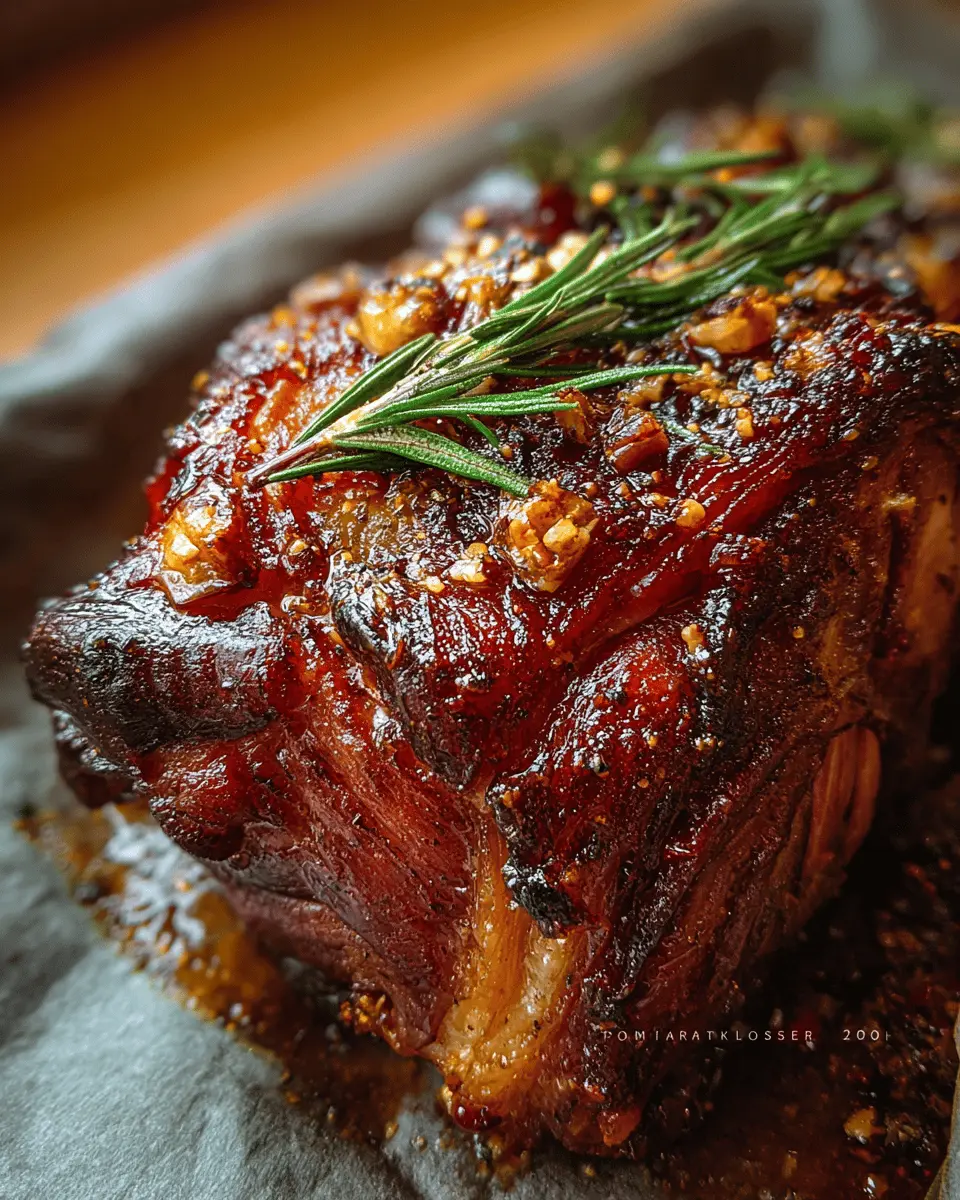
Variations on Beef-Based German-Style Knuckle
Adding a twist with herbs
When it comes to your Beef-Based German-Style Knuckle, herbs can elevate the flavor profile significantly. Instead of sticking to the classic seasoning, consider experimenting with a mix of fresh herbs like rosemary, thyme, or even dill. These herbs can add depth and complexity, making your dish memorable. A simple herb marinade can also introduce a new element to the meat. Try combining olive oil, minced garlic, and your choice of herbs, and let the knuckle marinate for a few hours or overnight in the refrigerator for a burst of flavor.
Additionally, you can explore using a dry rub with smoked paprika and brown sugar to create a crispy, caramelized crust during the roasting process. If you’re curious about herb pairings, this resource from Herb Society is a great starting point.
Alternative roasting techniques
If roasting isn’t your favorite method, there are several alternative techniques that work beautifully for your Beef-Based German-Style Knuckle. For instance, slow cooking is perfect for achieving tender, fall-off-the-bone meat. Simply season the knuckle and place it in a slow cooker with onions, carrots, and broth. Cook on low for about 8 hours, and voila—your knuckle will be absolutely succulent.
Another exciting option is braising. Sear the knuckle in a heavy pot, then add vegetables and broth, cover it, and let it simmer. This method not only enhances the meat’s flavors but also allows it to infuse with the richness of the vegetables.
With these variations, you can easily put your spin on the traditional Beef-Based German-Style Knuckle, ensuring every dinner is unique and delicious!
Cooking Tips and Notes for Beef-Based German-Style Knuckle
How to Ensure Perfect Seasoning
When tackling your Beef-Based German-Style Knuckle, seasoning is your secret weapon. Start by generously rubbing salt and freshly cracked black pepper all over the meat. For an extra punch, consider adding smoked paprika, garlic powder, or dried herbs like thyme or rosemary. A good tip? Season the meat a few hours before cooking—this allows the flavors to penetrate. Remember, you can always adjust your seasonings throughout cooking, so taste as you go!
Avoiding Common Mistakes
One common mistake with German-Style Knuckle is not cooking it low and slow. This cut of beef benefits from a long braising time, which helps break down tough fibers, resulting in tender, flavorful meat. Also, don’t skip the searing process before braising; it enhances the overall flavor profile by developing that delicious crust. Finally, make sure to choose a flavorful broth or moisten your dish with a splash of apple cider or broth instead of relying on wine.
For more expert details on seasoning and cooking methods, check out EatingWell’s Guide to Seasoning. Enjoy your cooking adventure!
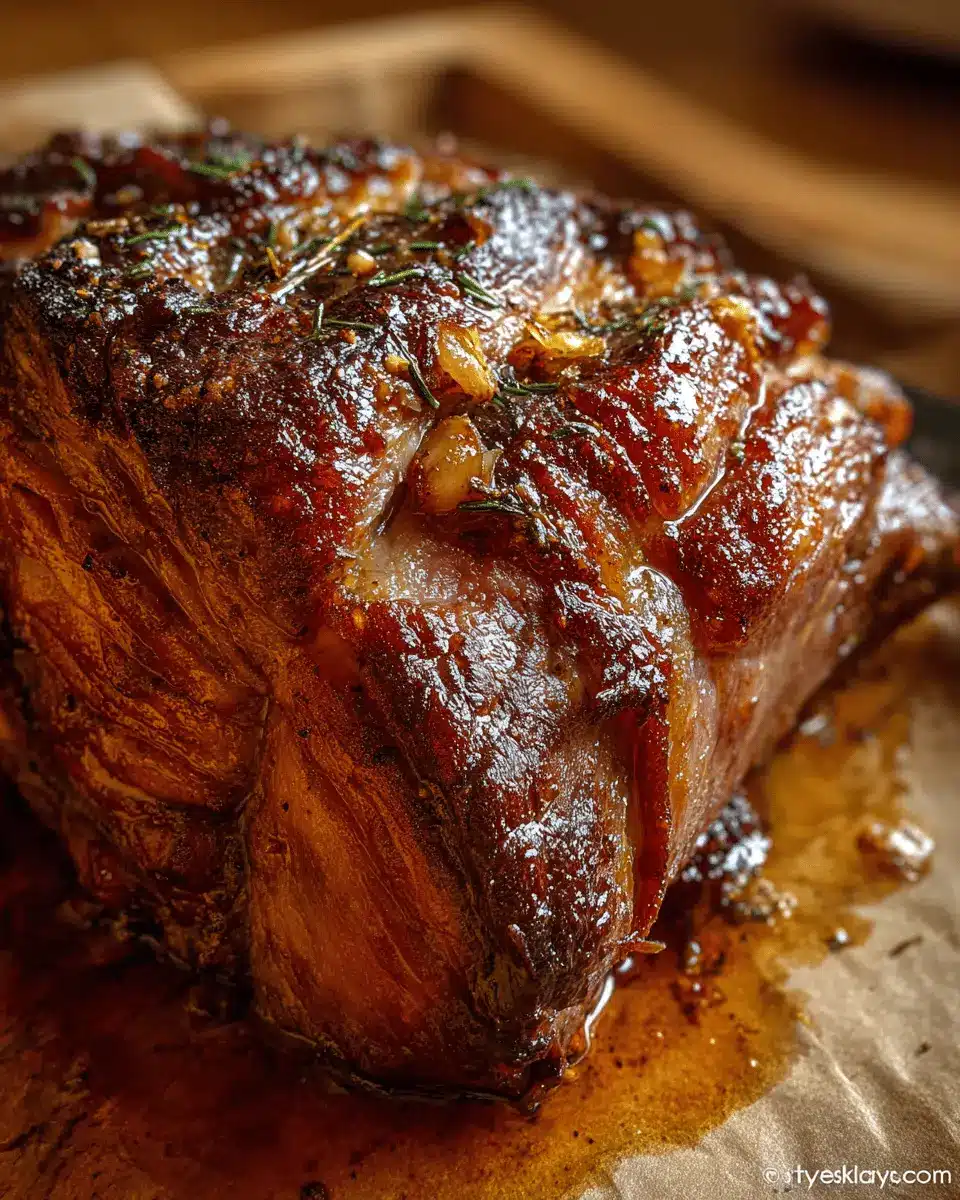
Serving suggestions for Beef-Based German-Style Knuckle
When it comes to savoring your Beef-Based German-Style Knuckle, the right accompaniments can elevate the entire meal experience. Check out these delicious serving suggestions!
Traditional German sides to complement your dish
To stay true to its roots, consider pairing your knuckle with these classic German sides:
- Sauerkraut: The tangy flavor beautifully balances the richness of the beef.
- Rotkohl (Braised Red Cabbage): A sweet and sour concoction that adds color and taste.
- Potato Dumplings: Offer a delightful, pillowy texture that soaks up juices beautifully.
- Germany’s famous Pretzels: For a fun twist, serve soft pretzels as a hearty side.
For more ideas on authentic German side dishes, check out Serious Eats.
Creative serving ideas for leftovers
Did you have some Beef-Based German-Style Knuckle remaining? Before you toss it aside, think creatively!
- Beef Tacos: Shred leftover meat and wrap it in soft tortillas, topped with fresh salsa and avocado.
- Knuckle Soup: Simmer the leftover beef with broth and seasonal veggies for a comforting soup.
- Savory Sandwich: Use hearty bread and layer in sliced knuckle with turkey bacon and mustard for a German-style sandwich.
These ideas not only reduce waste but also keep the flavors fresh and exciting! Consider exploring local farmer’s markets for fresh ingredients to enhance these dishes.
Time breakdown for Beef-Based German-Style Knuckle
Preparation time
Getting everything ready for your Beef-Based German-Style Knuckle doesn’t take long! You’ll need about 15-20 minutes to gather ingredients, chop vegetables, and prepare your seasonings. This is your chance to take a moment to savor the process—maybe throw on some music or get your favorite cooking show on in the background.
Cooking time
Now comes the fun part! The actual cooking time for your Beef-Based German-Style Knuckle is approximately 2-3 hours. This may sound lengthy, but it’s a perfect opportunity to enjoy that mouth-watering aroma filling your kitchen. You can use this time to make some side dishes or relax with friends.
Total time
When you combine the preparation and cooking times, you’re looking at a total of roughly 2 hours and 15 minutes to 3 hours and 20 minutes from start to finish. Considering how satisfying this dish is, it’s well worth every minute spent in the kitchen. Need tips for prepping quickly? Check out these efficient cooking tips. Enjoy the journey and the delicious result!
Nutritional Facts for Beef-Based German-Style Knuckle
Calories
When indulging in a delicious Beef-Based German-Style Knuckle, it’s essential to consider its caloric content. A typical serving contains approximately 350 to 400 calories. This makes it a hearty option, especially if you’re enjoying it alongside sides like roasted vegetables or a fresh salad.
Protein Content
Packed with flavor, this dish doesn’t skimp on the protein either. A standard serving boasts around 30 grams of protein, making it a great choice for those looking to fuel their active lives. This nutrient is crucial for muscle repair and growth, especially for young professionals who might hit the gym after a long day at work.
Recommended Serving Size
For an ideal balance, aim for a serving size of around 6 ounces of Beef-Based German-Style Knuckle. This portion provides a satisfying meal without overdoing it, allowing you to enjoy the great taste while maintaining a balanced diet. If you’re curious about portion control and healthy habits, check out resources from MyPlate for more tips.
Embracing such a dish not only enriches your palate but also serves as an excellent source of nutrition. Next time you whip up this flavorful meal, remember the calories, protein, and serving size to enjoy it guilt-free!
FAQs about Beef-Based German-Style Knuckle
When you’re exploring the delightful flavors of a Beef-Based German-Style Knuckle, you might have a few questions. Let’s address some common inquiries that can enhance your cooking experience!
Can I use a different cut of beef?
Absolutely! While traditional recipes often use a specific cut, you can experiment with other beef cuts like chuck roast or brisket. Both will yield tender, flavorful results but might require slight adjustments in cooking time. If you’re curious about similar dishes, check out this guide on beef cuts for more details.
How do I store leftovers properly?
Storing your leftover Beef-Based German-Style Knuckle is simple and can help maintain its rich flavors. Allow the dish to cool to room temperature, then transfer it to an airtight container. It should stay fresh for up to three days in the refrigerator. If you want to enjoy it later, consider freezing portions. Just freeze in individual servings, and it can last for up to three months—perfect for a quick meal! For tips on reheating, visit this resource.
What to serve alongside beef-based knuckle?
Pairing your Beef-Based German-Style Knuckle with the right sides can elevate your meal. Traditional options include:
- Sauerkraut: Offers a tangy contrast.
- Potato dumplings: Deliciously filling and comforting.
- Red cabbage: Adds a sweet and sour touch.
Feel free to get creative! Think about a fresh green salad or bread rolls for a lighter accompaniment.
Cooking should be fun, so don’t hesitate to mix and match flavors that you love!
Conclusion on Beef-Based German-Style Knuckle
Recap of the Homemade Experience
Creating your own Beef-Based German-Style Knuckle is not just about cooking; it’s an experience that brings the warmth of home straight to your table. From selecting high-quality ingredients to perfecting those rich, aromatic flavors, every step is a chance to express your culinary creativity. The satisfaction of witnessing your dish transform into a hearty meal is truly rewarding.
Encouragement to Try Out the Recipe
So why not lace up your apron and give this delectable recipe a go? Whether for a cozy dinner with friends or a comforting meal after a long day, your Beef-Based German-Style Knuckle is bound to impress. Plus, it’s an excellent way to explore authentic German flavors in your kitchen! Ready to bring a slice of Germany home? Dive into the recipe and embark on this delicious journey today!
For more cooking inspiration, check out this guide on cooking beef to refine your skills!
Print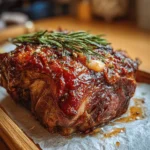
Beef-Based German-Style Knuckle: Juicy Comfort Food Made Easy
- Total Time: 3 hours 20 minutes
- Yield: 6 servings
- Diet: Gluten-Free
Description
A delicious and easy recipe for beef-based German-style knuckle, perfect for a comforting meal.
Ingredients
- 2 pounds beef knuckle
- 1 tablespoon olive oil
- 1 teaspoon salt
- 1 teaspoon black pepper
- 4 cloves garlic, minced
- 1 large onion, chopped
- 2 cups beef broth
- 1 cup lager beer
- 2 tablespoons Worcestershire sauce
- 3 carrots, sliced
- 2 stalks celery, chopped
- 1 tablespoon fresh thyme, chopped
Instructions
- Preheat your oven to 325°F (163°C).
- Heat olive oil in a large Dutch oven over medium-high heat. Season the beef knuckle with salt and pepper.
- Brown the beef on all sides, then remove it and set aside.
- Add garlic and onion to the pot, cooking until fragrant and softened.
- Pour in the beef broth, lager beer, and Worcestershire sauce, scraping the bottom of the pot for any browned bits.
- Return the beef to the pot, then add carrots, celery, and thyme.
- Cover and transfer to the oven. Cook for 3 hours or until the beef is tender.
- Remove from the oven, let rest for 10 minutes, then slice and serve.
Notes
- You can substitute chicken broth for a lighter taste.
- Serve with crusty bread for dipping.
- Prep Time: 20 minutes
- Cook Time: 3 hours
- Category: Main Course
- Method: Braising
- Cuisine: German
Nutrition
- Serving Size: 1 serving
- Calories: 450
- Sugar: 3g
- Sodium: 500mg
- Fat: 20g
- Saturated Fat: 7g
- Unsaturated Fat: 10g
- Trans Fat: 0g
- Carbohydrates: 25g
- Fiber: 4g
- Protein: 42g
- Cholesterol: 110mg