Introduction to Beef-Based German-Style Knuckle
When you’re craving a hearty meal that resonates with rich flavors and traditional cooking, the beef-based German-style knuckle is a fantastic option. This dish takes inspiration from Germany’s culinary heritage, featuring tender beef that’s slow-cooked to perfection. But what exactly is this delightful dish?
What is Beef-Based German-Style Knuckle?
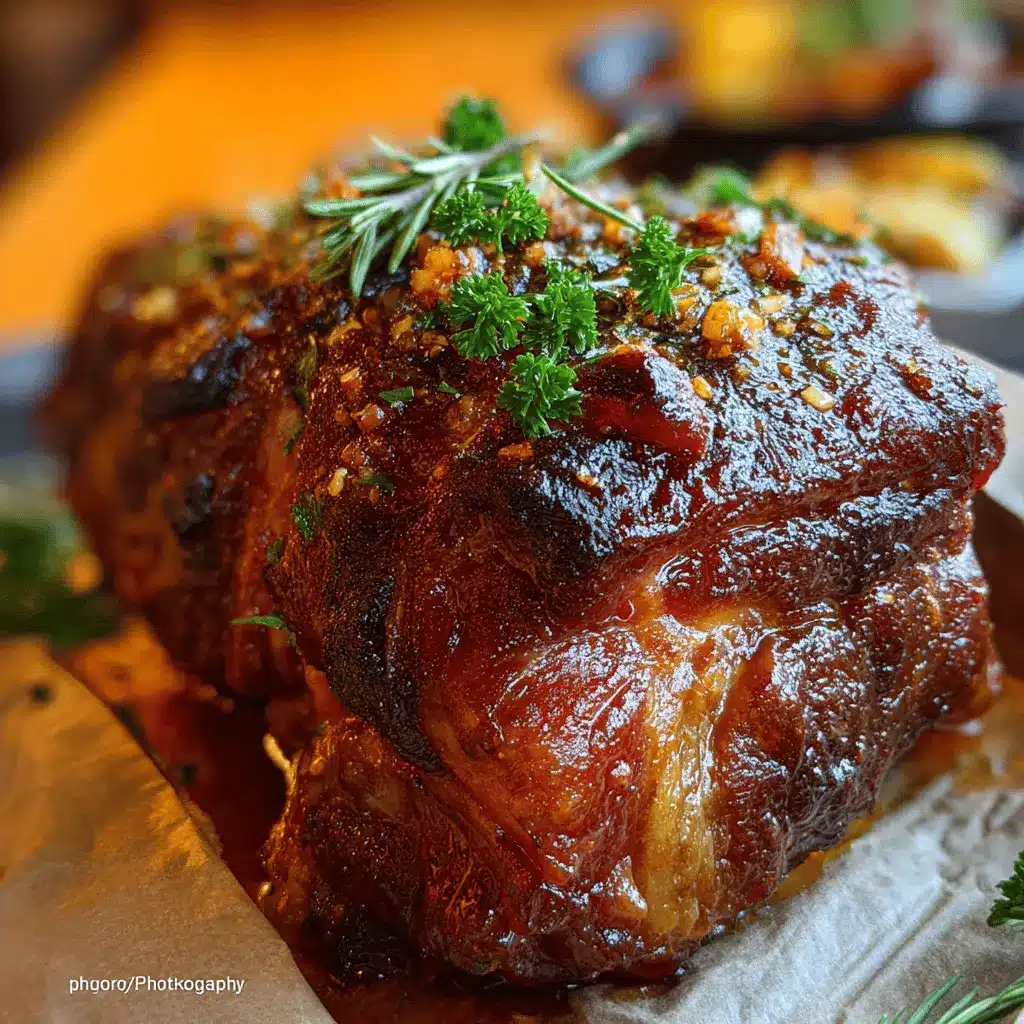
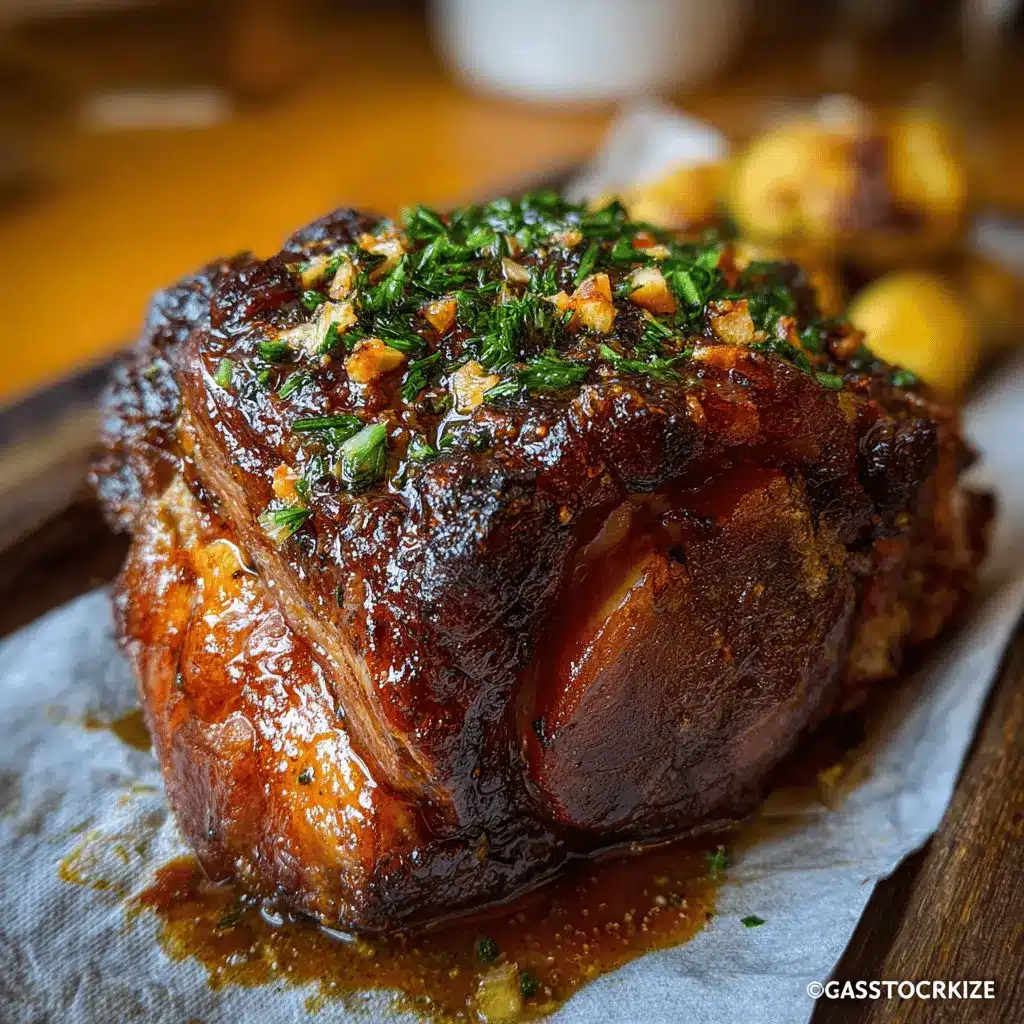
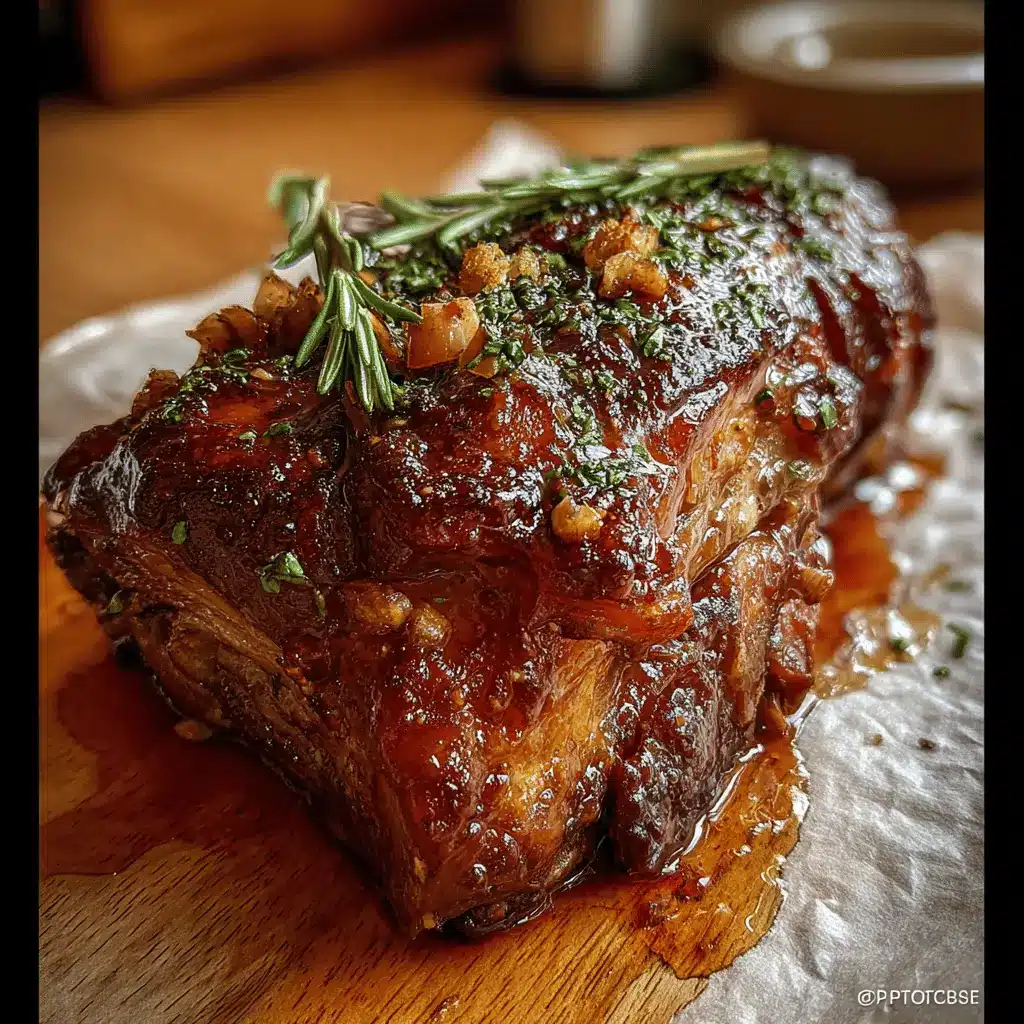
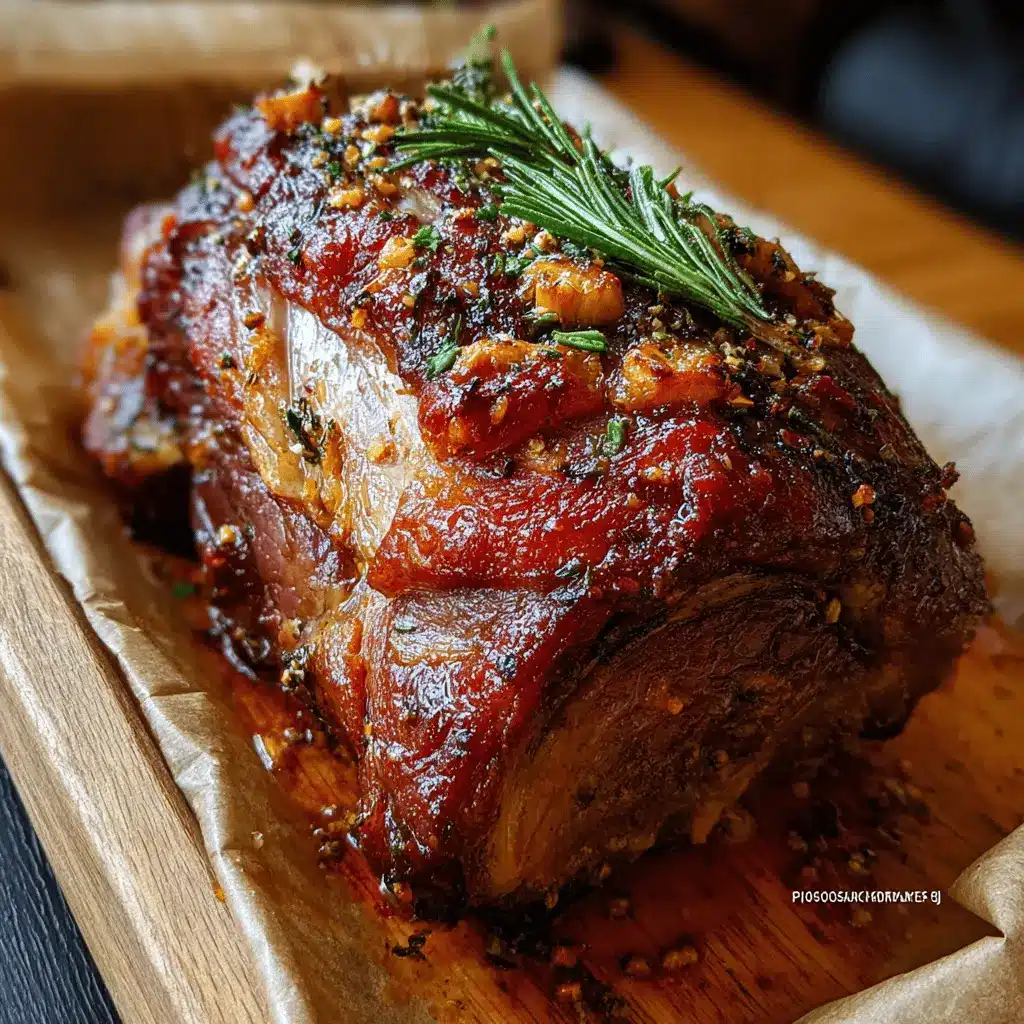
Beef-based German-style knuckle, also known as Schweinshaxe when made with pork, is essentially a roasted piece of beef shank. The cut typically includes the knee joint and surrounding meat, which, when slow-cooked, results in a wonderfully juicy and gelatinous texture. This dish is beloved for its crispy skin and melt-in-your-mouth meat, making it a standout centerpiece for any dinner party or family gathering.
Cooking this dish traditionally involves seasoning the beef liberally and roasting it at a low temperature for several hours. The result? A crispy outer layer that contrasts beautifully with the succulent meat underneath. It’s often served with sides like mashed potatoes, sauerkraut, or roasted vegetables, enhancing the overall flavor experience.
Why Try Beef-Based German-Style Knuckle?
If you’ve never tasted a beef-based German-style knuckle, you’re in for a treat. Here are some reasons to give it a shot:
- Flavorful and Satisfying: This dish is packed with rich, savory flavors, sure to satisfy even the heartiest appetites.
- Culinary Adventure: It’s a wonderful opportunity to explore German cuisine if you’re looking to expand your cooking repertoire.
- Customizable: Feel free to play around with the spices and side dishes to suit your taste. Did you know adding garlic or paprika can elevate the flavor profile?
For a trendy twist, consider using your favorite low-sodium broth instead of regular stock in your recipe. You can also experiment with different marinating techniques to enhance the flavor even further. For inspiration, check out sources like BBC Good Food or Serious Eats.
So, if you’re ready to roll up your sleeves and create something delicious, the beef-based German-style knuckle is more than worth it. It may become a regular feature at your dinner table!
Ingredients for Beef-Based German-Style Knuckle
When it comes to crafting a beef-based German-style knuckle, you’ll want to gather a few essential ingredients that elevate the dish to new heights. Here’s a concise list to get you started:
- Beef Knuckle: This is the star of the dish. Look for high-quality cuts from grass-fed cattle for the best flavor and tenderness.
- Turkey Bacon: Add a smoky, savory flavor to the dish without the excessive fat of traditional options. It’s a great alternative that complements the beef beautifully.
- Chicken Ham: Used to enhance the flavor profile, this ingredient brings a delightful depth while keeping the dish lighter.
- Carrots and Onions: For aromatics, these veggies provide sweetness and balance. Opt for organic produce to maximize taste and nutrition.
- Broth: Choose a rich beef or vegetable broth as a base. It’s the key to melding all those flavors together in a comforting embrace.
- Herbs and Spices: Don’t forget essentials like bay leaves, thyme, and pepper. Fresh herbs bring a bright element to the finished dish.
With these ingredients in hand, you’ll be on your way to creating a truly authentic and mouthwatering beef-based German-style knuckle. For more tips on ingredient sourcing and preparation, check out resources like America’s Test Kitchen for expert advice.
Step-by-Step Preparation of Beef-Based German-Style Knuckle
If you’re looking to impress your friends or family with a comforting, robust dish, the beef-based German-style knuckle is an incredible option that’s not as complicated as it sounds. With just a little planning and patience, you’ll be savoring those delicious flavors in no time. Let’s dive into the preparation process, shall we?
Preheat the oven
Before diving into the intricacies of preparation, it’s essential to get your oven preheated. This ensures even cooking and helps to develop that rich flavor you’re aiming for. Set your oven to a cozy temperature of 325°F (165°C).
While your oven warms up, take a moment to gather your ingredients and tools. Seeing everything laid out creates a sense of calm, plus it’s easier to locate everything you need when you’re in full swing!
Prepare the beef shank
The beef shank is the star of our show and requires some love before it hits the oven. Here’s how to prepare it properly:
-
Choose Quality Cut: Look for a fresh, meaty beef shank with some marbling. This fat will keep the meat tender and juicy while roasting.
-
Season Generously: Rub the beef shank with a mixture of salt, pepper, and your favorite herbs. A sprinkle of smoked paprika or garlic powder can elevate the flavors even more. The spices will form a lovely crust that adds to the dish’s overall appeal.
-
Sear: In a hot skillet, add a bit of oil and sear the beef on all sides until you achieve a beautiful brown crust. This step not only locks in flavor but also adds a delightful color to your roast.
Create the bed for roasting
Next, let’s prepare the foundation that will cradle your beef during its long, slow roast. A flavorful bed will impart richness into the meat.
-
Choose Vegetables: Start with a mix of aromatics like carrots, onions, and celery. These not only create a natural rack for your beef but also make a fantastic base for your gravy later. Chop them into large pieces to ensure they withstand the long cooking process.
-
Add Flavor: Toss in some fresh herbs like thyme and rosemary, alongside a couple of garlic cloves (left whole). They’ll infuse the meat with wonderful flavor as it slowly roasts.
-
Add Broth: Pour in some low-sodium beef broth or vegetable stock to keep the dish moist and full of flavor. It’s important that your bed has moisture, but it shouldn’t drown the veggies.
Slow roast the beef shank
Now for the magic! Place your beef shank on top of the prepared bed in a roasting pan or a Dutch oven.
-
Cover and Cook: Tightly cover the roasting pan with a lid or aluminum foil. This will keep all the juicy vapor inside. Place it in your preheated oven and allow it to roast gently for about 3 hours. Check for tenderness; you want the meat to be fork-tender and falling off the bone.
-
Baste Occasionally: If you’re up for it, open the oven periodically to baste the beef with the rich liquid accumulating below. This can enhance the flavors even further.
Crisp the outside for perfect texture
After the long roast, it’s time to achieve that dream texture.
-
Uncover and Increase Heat: Remove the cover and increase the oven temperature to 425°F (220°C). This will help crisp up the exterior, giving you that gorgeous golden-brown finish.
-
Roast for Additional Flavor: Leave it uncovered for another 20-30 minutes, allowing the skin to crisp to perfection.
Serving up the finished beef-based German-style knuckle with your favorite sides—think hearty mashed potatoes or a fresh salad—will create a wonderful dining experience. With a little patients and these simple steps, you’ll impress everyone at the table. For more information on cooking techniques and recipes, check out Epicurious and see what other culinary delights you can create. Happy cooking!
Variations on Beef-Based German-Style Knuckle
Herb-Infused Variations
When it comes to making your beef-based German-style knuckle shine, consider experimenting with different herbs to elevate the flavors. Fresh rosemary, thyme, and sage work beautifully when infused in your marinade or stew base. You might also try a splash of apple cider vinegar in the braising liquid for a delightful tang that complements the savory beef.
If you’re feeling adventurous, consider using smoked paprika to add a subtle warmth and a hint of smokiness. This twist not only enhances the flavor but also makes your kitchen smell incredibly inviting. You can read more about these herbs and their benefits on Epicurious.
Alternative Sides to Elevate the Dish
Pairing your beef-based German-style knuckle with the right sides can transform a good meal into a phenomenal one. Instead of the traditional sauerkraut or boiled potatoes, why not try roasted Brussels sprouts with garlic and olive oil? They add a crunchy texture that beautifully contrasts the tenderness of the beef.
Another idea is creamy mashed sweet potatoes with a hint of cinnamon. The sweetness balances the savory notes of the knuckle, creating a delightful culinary experience.
For something lighter, consider a simple mixed salad topped with a zesty vinaigrette. This not only complements the rich flavors of the beef but also adds a refreshing element to your plate.
Each of these sides contributes to a well-rounded, satisfying meal while keeping the focus squarely on your beef-based German-style knuckle. So, gather your ingredients and let your culinary creativity shine!
Cooking Tips and Notes for Beef-Based German-Style Knuckle
When it comes to making a delicious beef-based German-style knuckle, there are a few tips to elevate your dish and impress your guests.
Choosing the Right Cut
Opt for a well-marbled beef cut, like a chuck roast or brisket, which will enhance the flavor and tenderness. Marbling helps the meat stay juicy during cooking, making every bite delightful.
Marinade Magic
Consider marinating your beef overnight in a blend of broth, vinegar, and seasonings. This not only infuses flavor but also helps tenderize the meat. If you need a great marinade recipe, check out ideas from Serious Eats.
Slow and Steady Wins the Race
Slow-cooking your beef is key to achieving that melt-in-your-mouth texture. Use a slow cooker or braise it in the oven at low temperatures. Remember to regularly check your beef and add vegetable broth if the sauce reduces too much.
Choose Complementary Sides
Serve your beef-based German-style knuckle with traditional sides like sauerkraut or potato dumplings. The acidity of the sauerkraut complements the richness of the beef beautifully.
These tips will certainly make your cooking experience enjoyable and result in a mouthwatering meal that everyone will love! For more inspiration, dive into some recipes on BBC Good Food.
Serving Suggestions for Beef-Based German-Style Knuckle
When you’re ready to savor your homemade beef-based German-style knuckle, it’s all about presentation and pairing. Here are some delightful serving suggestions that will elevate your meal!
Complementary Side Staples
To make the most of your knuckle, consider these classic sides:
- Roasted Vegetables: Carrots, Brussels sprouts, and potatoes tossed in olive oil create a colorful, nutritious plate.
- Sauerkraut: This tangy fermented cabbage dish is a traditional German side, bringing a refreshing zest that balances the richness of the meat.
- German Potato Salad: Served warm, it’s the perfect blend of flavors, especially with a splash of apple cider vinegar.
Perfect Condiments and Additions
Enhance each bite with delectable toppings:
-
Mustard: A spicy or sweet mustard adds a kick that complements the beef beautifully, whether you go for whole grain or a smooth variety.
-
Fresh Herbs: Chopped parsley or dill sprinkled on top not only brightens the dish but also adds a fragrant note.
Drink Pairings
For a cozy and satisfying meal, pair your knuckle with:
- Sparkling Water: An excellent non-alcoholic choice that cleanses the palate.
- Herbal Tea: A soothing way to round off the meal, particularly chamomile or mint blends that aid digestion.
Feel free to mix and match these suggestions based on your preferences or dietary needs! Checking out resources like Serious Eats can provide more insights on perfect pairings. Enjoy every delicious bite!
Time Breakdown for Beef-Based German-Style Knuckle
Preparation time
Getting everything set up for your beef-based German-style knuckle is a breeze! You’ll need about 15-20 minutes to prep the ingredients. This includes chopping vegetables and marinating the beef if you choose to go that route. Don’t worry; even if you’re not a pro in the kitchen, it’s easy to nail.
Cooking time
Once you’re prepped, the cooking process will take about 2 to 3 hours. That’s right; patience is key! The slow cooking allows the flavors to meld beautifully, creating a rich and satisfying dish.
Total time
In total, you’re looking at about 2 hours and 30 minutes to 3 hours and 20 minutes from start to finish. We promise it’s worth every minute. If you’re looking for a hearty meal to impress friends or enjoy a cozy night in, this is your ticket to culinary success!
To deepen your culinary knowledge, visit Serious Eats for more tips on preparing great meat dishes.
Nutritional Facts for Beef-Based German-Style Knuckle
When you’re enjoying a savory beef-based German-style knuckle, it’s essential to understand how it fits into your overall diet.
Calories
A serving typically contains around 350–450 calories, depending on the cooking method and the ingredients used. This makes it a hearty, filling option that can satisfy your hunger without leading to unnecessary overindulgence.
Protein
One of the standout features of this dish is its protein content, often reaching up to 40 grams per serving. This makes it an excellent source for young professionals looking to meet their fitness goals or simply maintain a balanced diet.
Sodium
However, keep an eye on sodium levels, which can range from 700–900 mg per serving. It’s wise to choose low-sodium chicken broth and season wisely to help manage intake while still delivering fantastic flavor.
For a more comprehensive guide on nutritional values, check out NutritionData for tracking your meals! It’s always a good idea to be mindful about what you eat, enhancing both health and enjoyment.
FAQs about Beef-Based German-Style Knuckle
How do I know when the beef is properly cooked?
When preparing your beef-based German-style knuckle, the key to perfect doneness lies in both temperature and texture. For optimal results, use a meat thermometer: the center of the meat should reach around 145°F (63°C) for medium-rare. Another great way to check is by pressing the beef; it should feel firm yet slightly springy. If you’re unsure, giving it a little more time in the oven won’t hurt—better safe than sorry!
Can I use a different cut of beef?
Absolutely! While the knuckle cut offers a delightful texture, you can substitute with other cuts like chuck roast or brisket. These options hold up well during slow cooking and absorb flavors wonderfully. Just keep in mind the cooking time may vary, so adjust accordingly! If you’re looking to explore other varieties, check resources like Beef. It’s What’s For Dinner for guidance on cuts and preparation.
What sides pair well with beef knuckle?
Pairing sides with your beef-based German-style knuckle can elevate the meal experience. Here are some fabulous options:
- Potato dumplings: A traditional choice that complements the hearty flavors.
- Sauerkraut: Its tanginess balances the richness of the beef beautifully.
- Roasted vegetables: Carrots, parsnips, and Brussels sprouts add color and depth.
- Bread: A nice crusty bread is perfect for soaking up any delicious sauce.
Combining these sides will create a well-rounded culinary adventure, making your dinner one to remember. Enjoy the cooking journey!
Conclusion on Beef-Based German-Style Knuckle
In summary, the beef-based German-style knuckle is more than just a meal; it’s a culinary adventure that brings comfort and flavor to your table. With its rich layers of spices and tenderness, it’s perfect for family gatherings or casual weeknight dinners.
Why You’ll Love It
- Flavorful Experience: The combination of seasonings elevates traditional flavors to a whole new level.
- Versatile Pairings: Serve it with roasted vegetables or a tangy sauerkraut for a balanced meal.
- Easy to Prepare: With a little patience, you’ll create a dish that impresses even the toughest critics.
So why not try making your own? For more inspiration, check out some tips on adjusting this recipe for varying tastes. Happy cooking!
Print
Beef-Based German-Style Knuckle: An Easy, Succulent Delight
- Total Time: 3 hours 15 minutes
- Yield: 6 servings
Description
A delicious and easy recipe for Beef-Based German-Style Knuckle that is sure to impress your family and friends.
Ingredients
- 2 pounds beef knuckle
- 1 tablespoon salt
- 1 teaspoon black pepper
- 2 tablespoons olive oil
- 4 cups beef broth
- 1 onion, chopped
- 3 garlic cloves, minced
- 2 carrots, sliced
- 2 stalks celery, sliced
- 1 teaspoon dried thyme
- 1 teaspoon dried rosemary
- 2 tablespoons Worcestershire sauce
Instructions
- Preheat your oven to 325°F (165°C).
- Season the beef knuckle with salt and black pepper.
- In a large oven-safe pot, heat olive oil over medium-high heat. Sear the beef on all sides until browned.
- Add the chopped onion, minced garlic, carrots, and celery to the pot. Sauté for about 5 minutes until vegetables are softened.
- Pour in the beef broth, then add thyme, rosemary, and Worcestershire sauce. Stir to combine.
- Cover the pot and transfer it to the oven. Bake for 3-4 hours, until the meat is tender and falls apart easily.
- Remove the pot from the oven and let the beef rest for 10 minutes before slicing or shredding.
- Serve warm with your choice of sides.
Notes
- For extra flavor, marinate the beef overnight with seasonings.
- This dish pairs well with potatoes or bread.
- Prep Time: 15 minutes
- Cook Time: 3 hours
Nutrition
- Serving Size: 1 plate
- Calories: 450
- Sugar: 2g
- Sodium: 800mg
- Fat: 25g
- Saturated Fat: 10g
- Unsaturated Fat: 15g
- Trans Fat: 0g
- Carbohydrates: 15g
- Fiber: 3g
- Protein: 45g
- Cholesterol: 100mg