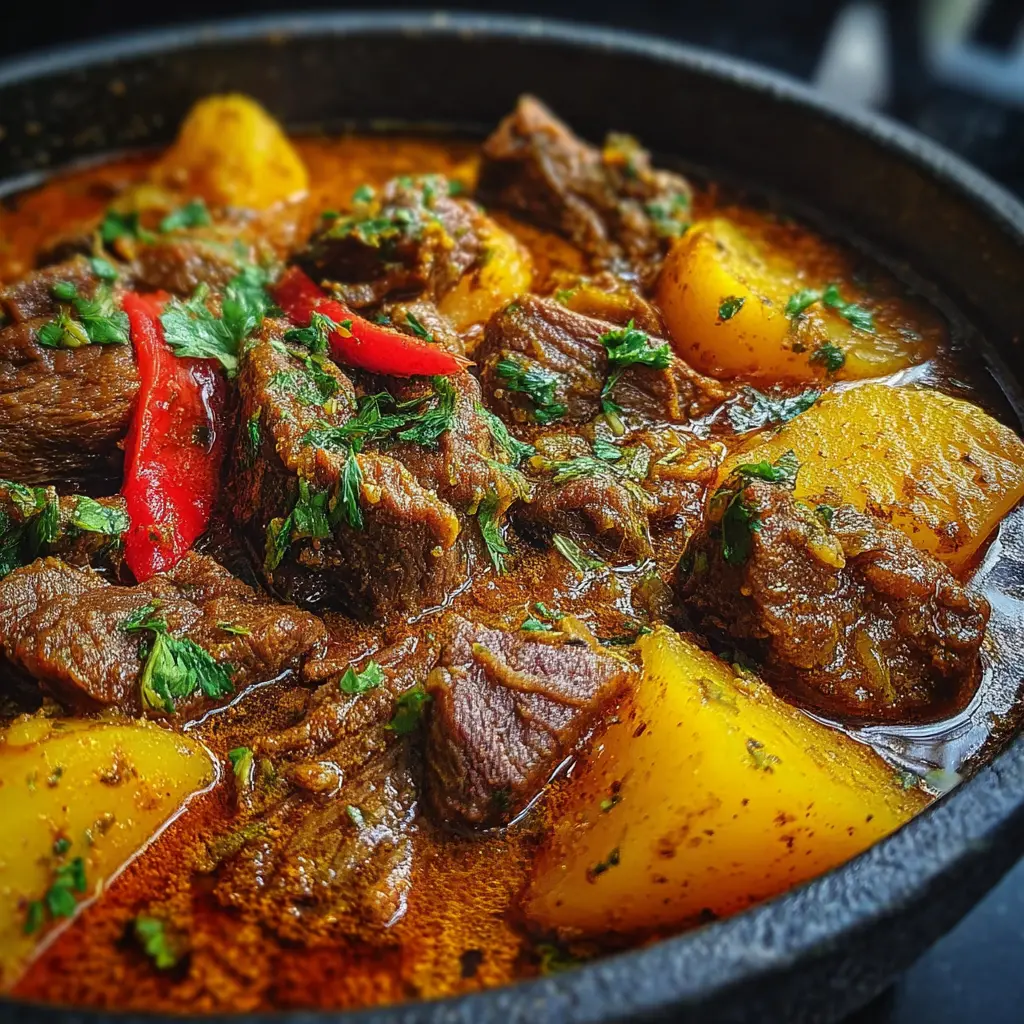
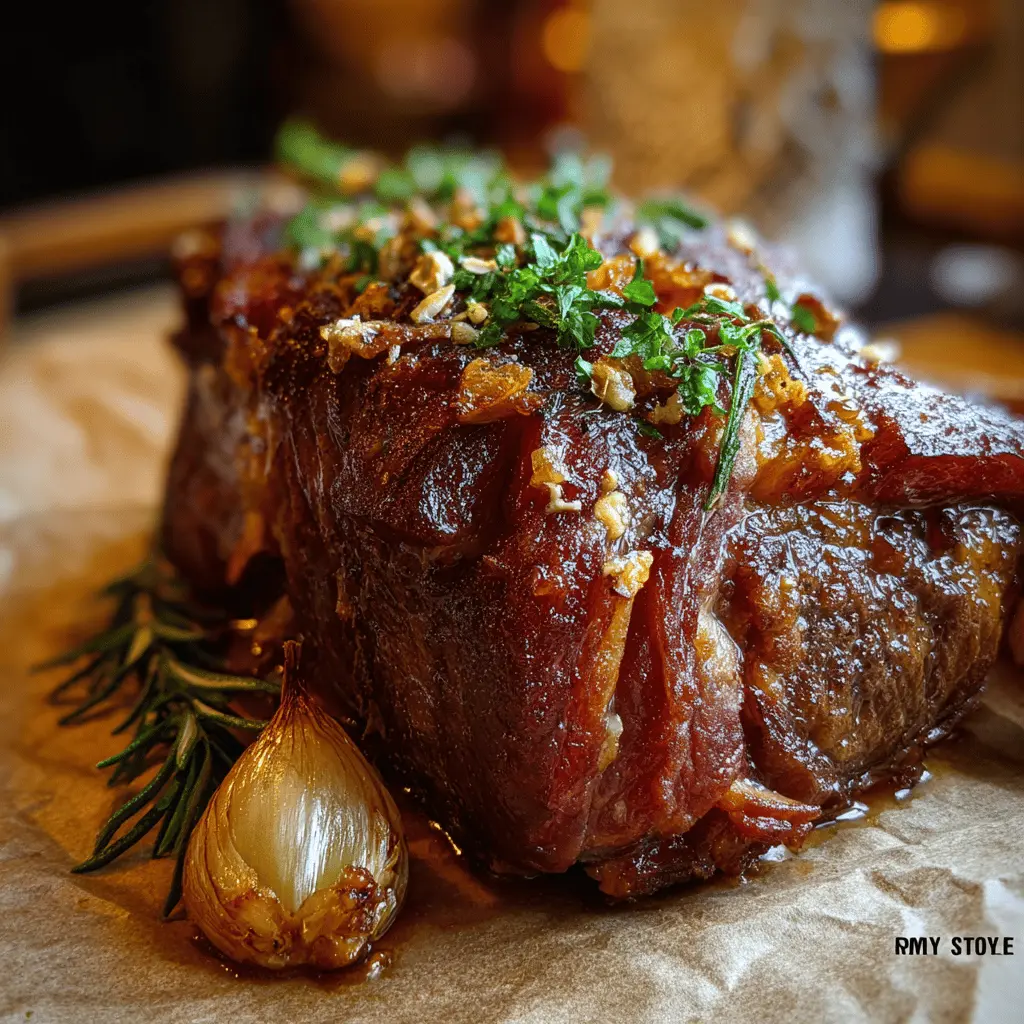
Introduction to Beef-Based German-Style Knuckle
A Cozy Dish Perfect for Home Cooking
When you think of comfort food, what often comes to mind? For many, hearty, savory dishes warm both the belly and the soul, and that’s where beef-based German-style knuckle comes into play. This traditional meal is like a big, cozy hug on a plate, making it the perfect choice for a home-cooked dinner. It embodies the rich flavors and robust textures that define German cuisine.
Growing up, my family often enjoyed meals that took several hours to prepare, filling our home with enticing aromas. There’s something incredibly inviting about spending a weekend afternoon crafting a delicious roast. The slow cooking process not only tenderizes the beef but allows the spices to develop a depth of flavor that’s truly unforgettable. Just imagine the anticipation as you gather around the table with friends or family, all ready to savor a classic German-style feast.
One of the joys of preparing a beef-based German-style knuckle is that it can be easily adapted to fit different dietary preferences. For example, feel free to replace ingredients according to your taste: substituting Turkey Bacon for traditional pork or adding seasonal vegetables can modernize this classic while keeping it comforting and satisfying. If you’re curious about different adaptations, check out Serious Eats for some great tips on recipe personalization.
As you embark on this culinary journey, remember that the key to a successful German-style knuckle lies in its seasoning. Combining aromatic herbs and spices like caraway seeds and juniper berries infuses the dish with a quintessentially German essence that transports you straight to the heart of Bavaria. Have you ever wondered how something so simple can create such robust flavors? It’s all in the technique!
So whether you’re cooking for a special occasion or simply treating yourself to a lovely home-cooked meal, a beef-based German-style knuckle promises satisfaction and warmth. Trust me—your taste buds will thank you! Grab your apron, and let’s dive into making this delightful dish together.
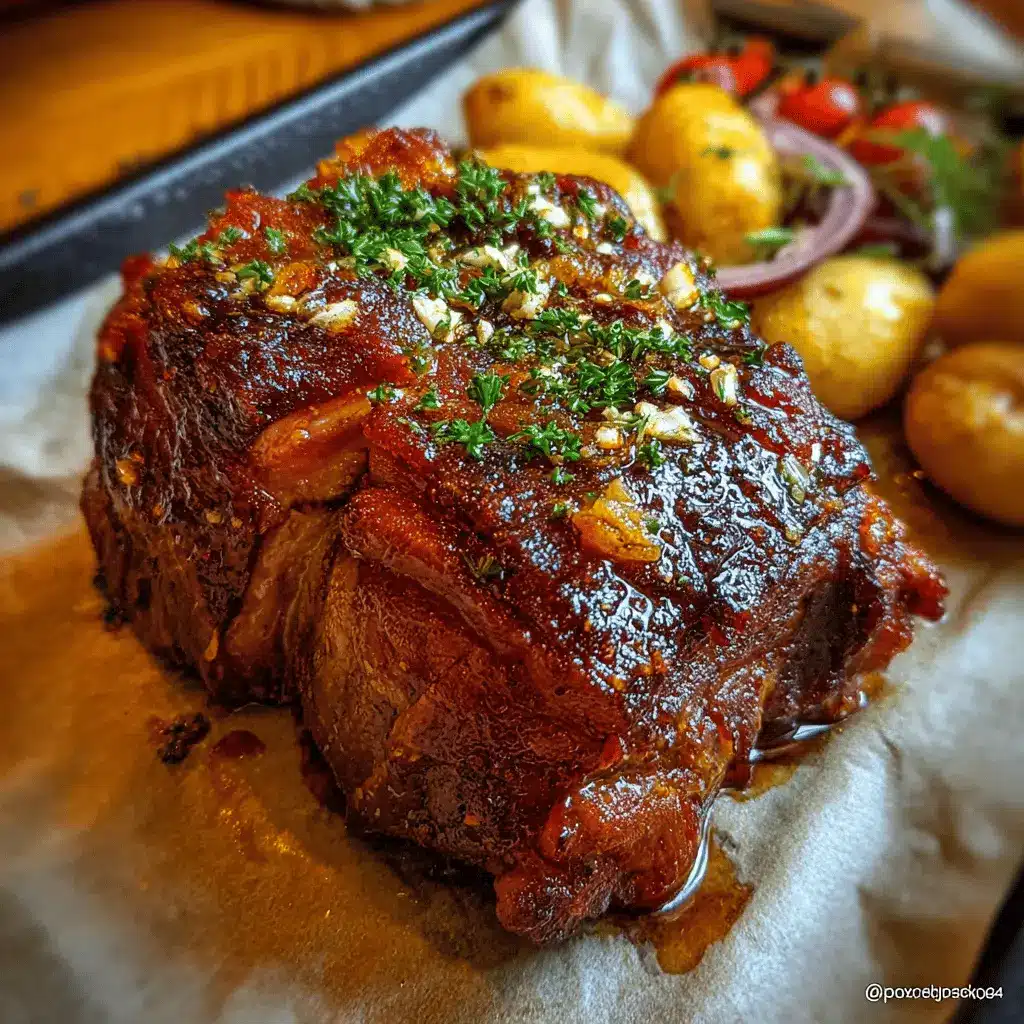
Ingredients for Beef-Based German-Style Knuckle
Creating a delicious beef-based German-style knuckle requires thoughtful selection of quality ingredients that come together to forge rich and savory flavors. Here are the essential components you’ll need to gather for this mouthwatering dish:
Essential ingredients you’ll need
- Beef Knuckle: Start with a good cut of beef knuckle, preferably from grass-fed cows for superior flavor and tenderness.
- Turkey Bacon: Adds a crispy, savory element; it’s a fantastic way to infuse flavor without the heaviness of traditional bacon.
- Chicken Ham: Slices of chicken ham will bring additional depth, complementing the beef perfectly.
- Vegetables: Don’t skimp on onions, carrots, and celery—they’ll form the aromatic base of your dish. These veggies not only enhance flavor but also provide essential nutrients.
- Beef Broth: A rich beef broth is necessary to braise your knuckle until it’s tender and full of flavor.
- Herbs and Spices: Fresh thyme, bay leaves, and peppercorns will bring warmth and complexity to your dish.
Ready to dive into cooking? Make sure you have everything out before you start! For sourcing the best ingredients, check out specialty markets or regional farmer’s markets for high-quality, local options that pack a real flavor punch.
Preparing Beef-Based German-Style Knuckle
When you’re in the mood for something hearty and satisfying, a beef-based German-style knuckle is a superb choice. This dish brings a delightful taste of German cuisine right into your kitchen. The process may take a little time, but I promise the results will be well worth it. Let’s break down the steps for preparing this delicious meal.
Preheat your oven
The first step is to preheat your oven to 300°F (150°C). A low and slow approach is key to achieving tender, melt-in-your-mouth flavors. Preheating allows for even cooking, which is crucial for a dish like this. If you don’t already have a reliable oven thermometer, now is a great time to invest in one. Ensuring your oven is at the perfect temperature makes all the difference in the final dish.
Season the beef shank
With the oven warming up, it’s time to focus on the star of the show: the beef shank. Start by generously seasoning the meat with salt, pepper, and any other spices you favor. Some people love adding garlic powder, onion powder, or even smoked paprika for an extra flavor kick. This is your moment to make the meat your own!
- Salt and Peppers: Essential for boosting the natural flavors.
- Garlic powder: Adds a lovely depth.
- Smoked paprika: For a hint of smoke and warmth.
Once seasoned, let the shank rest while you prepare the next steps. This allows the seasoning to infuse into the meat, achieving an enriched, savory taste.
Prepare the roasting pan
While your beef shank is absorbing those lovely seasonings, it’s time to prepare your roasting pan. Choose a pan that’s large enough to accommodate the shank and leave room for any vegetables you might like to add. Consider carrots, potatoes, and onions—they pair beautifully with the beef.
- Recommendations: A solid cast-iron pan or a heavy-duty baking dish works wonders.
- Vegetable prep: Chop your vegetables into large chunks for a heartier texture.
Once your pan is ready, lay the seasoned meat in the center. This is where the magic begins.
Slow cooking the beef
Now comes the best part: the slow cooking. Cover the roasting pan with a lid or aluminum foil to trap in moisture. Place it in your preheated oven and let it cook for about 3 to 4 hours. About halfway through, feel free to check on it. The meat should begin to pull away from the bone, indicating it’s on its way to tender perfection.
Including veggies at this point also allows them to absorb the luscious flavors from the beef. You can also add a splash of beef broth or vegetable stock for extra moisture. This promotes a rich, savory gravy that will enhance the final dish.
Crisping the outside
After the slow cooking, it’s time to achieve that sought-after crispy crust. Increase the oven temperature to 400°F (200°C) and remove the cover. Let the beef roast for an additional 15–20 minutes until it develops a beautiful golden-brown crust. This step adds texture and contrasts beautifully with the tender meat.
Let it rest
After pulling the beef-based German-style knuckle from the oven, resist the urge to dive right in—patience pays off here! Allow the meat to rest for about 15 minutes. This helps the juices redistribute throughout the meat, ensuring every bite is juicy. While it rests, consider whipping up a quick sauce from the roasting drippings or serving it alongside a classic German-style potato salad.
By following these steps, you’ll transform a simple piece of meat into a dish that’s bursting with flavor and warmth. Enjoy your culinary journey with this traditional dish, and don’t hesitate to share the joy of your delicious creation with friends and family! For more tips on seasoning or roasting techniques, visit reputable cooking sites like Serious Eats or America’s Test Kitchen. Happy cooking!
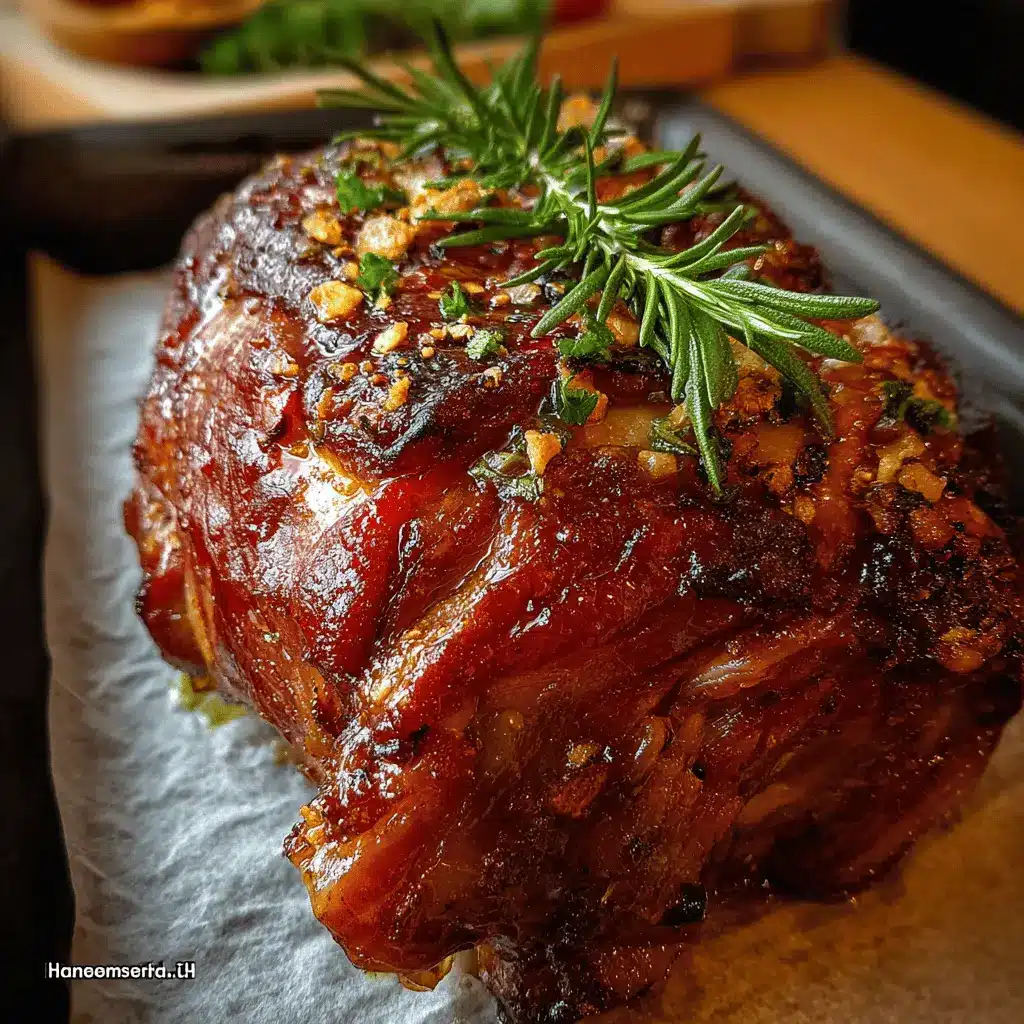
Variations on Beef-Based German-Style Knuckle
Adding Regional Spices
If you want to give your beef-based German-style knuckle a unique flair, consider incorporating regional spices that reflect the culture of the dish. For instance, using caraway seeds can enhance the earthy flavor profile, while a touch of mustard powder will add a subtle tang. If you’re aiming for a touch of heat, paprika or a sprinkle of cayenne might just do the trick! Exploring German spice blends like Allgäu spice can open up new flavor dimensions. Experimenting with spices not only elevates your dish but also invites your guests to savor the journey through Germany with every bite.
Creative Side Dishes
When it comes to pairing your succulent beef-based German-style knuckle, don’t shy away from creativity! Traditional sides, such as German potato salad or sauerkraut, are classic for a reason, but why not shake things up? For a lighter option, you might serve it alongside roasted vegetables—think carrots and Brussels sprouts, simply seasoned with olive oil and salt. If you’re feeling adventurous, a quinoa salad with cranberries and nuts can provide a delightful contrast in texture and flavor. Adding a fresh herb dipping sauce can also amplify the dish’s richness.
There’s no one right way to accompany this robust meal; let your culinary imagination run wild! For more ideas, you can check out this insightful guide on German side dishes that complement any main course beautifully.
By exploring these options, you can personalize your beef-based German-style knuckle, making each dinner a memorable experience. With a little effort in the kitchen, your meals can reflect a world of flavors that resonate well with your palate.
Cooking tips and notes for Beef-Based German-Style Knuckle
Perfecting the slow-cook method
To achieve that mouthwatering tenderness in your beef-based German-style knuckle, slow cooking is your best bet. This method allows the flavors to meld beautifully while breaking down the tough fibers in the meat. Here are some tips to get it just right:
- Choose the Right Cut: A well-marbled knuckle will enhance the dish’s richness.
- Low and Slow: Cook at a low temperature, ideally around 225°F to 250°F, for 4-6 hours. This encourages optimal flavor development.
- Moisture Matters: Use broth or stock to maintain moisture—chicken stock works wonders. For extra flavor, add herbs like thyme or rosemary.
Importance of resting the meat
Once your beef-based German-style knuckle is done cooking, don’t rush to slice it! Resting the meat for at least 15-20 minutes allows the juices to redistribute, resulting in a juicier, more flavorful dish. Think of it as a little breather for your meat—much like a post-gym cooldown!
This is also a great time to prep any sides you want to serve, ensuring everything is hot and ready to go when you’re ready to plate.
For more cooking insights, check out Serious Eats or Food Network for further inspiration!
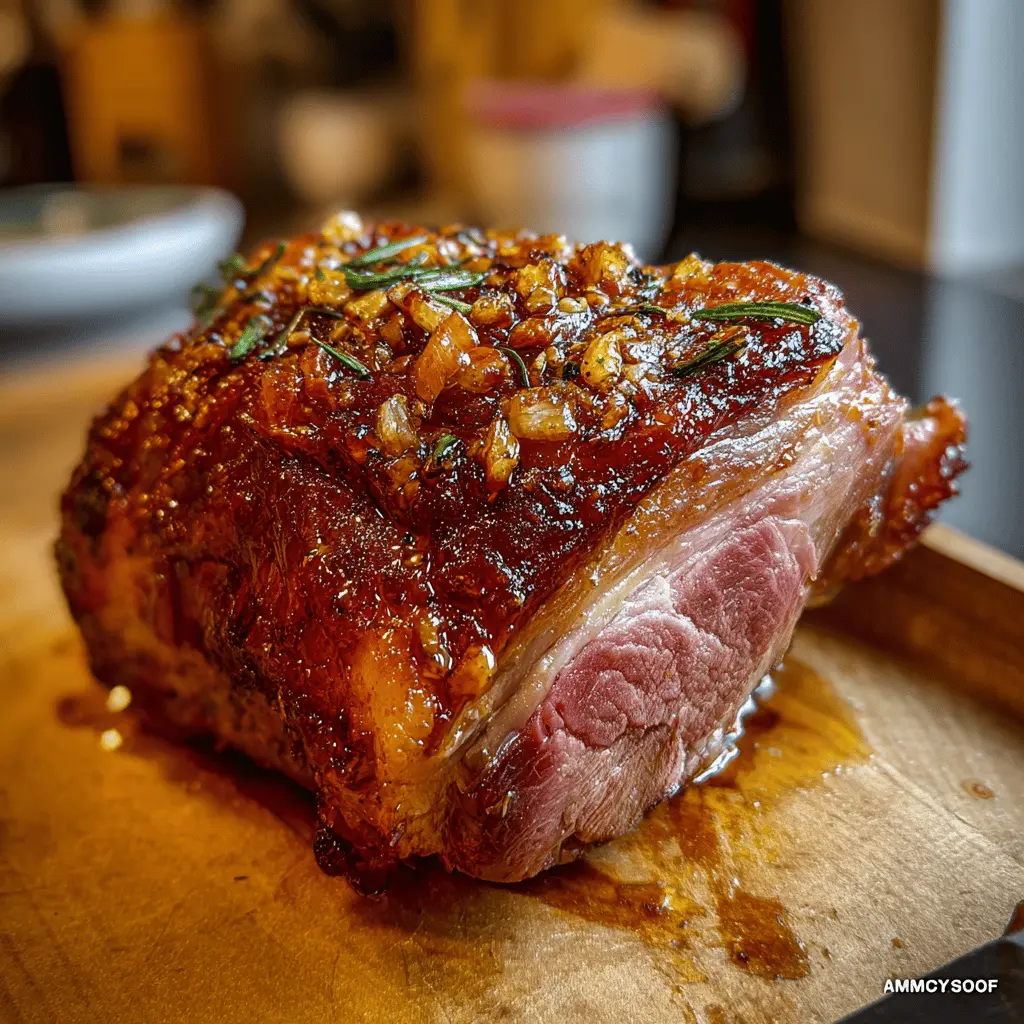
Serving Suggestions for Beef-Based German-Style Knuckle
Traditional German Sides
Pairing your beef-based German-style knuckle with classic sides not only enhances the flavors but also creates a hearty meal. Consider these traditional options:
- Sauerkraut: Its tangy acidity complements the richness of the beef, making each bite a delight.
- Red Cabbage: Sweet and slightly sour, it adds a beautiful color to your plate and balances the meat’s savory notes.
- Potato Dumplings: Soft and comforting, these can soak up the delicious juices from the knuckle.
For a deeper dive into authentic German sides, check out German Food Guide.
Unique Plating Ideas
Elevate your dining experience with creative plating. Here are a few tips to make your beef-based German-style knuckle the star of the table:
- Rustic Presentation: Serve the knuckle on a large wooden board, surrounded by vibrant vegetables like carrots and green beans for a rustic appearance.
- Layered Slices: Thinly slice the beef and layer it with sauerkraut and potato dumplings, garnishing with fresh herbs for a pop of color.
- Individual Servings: Use small cast iron pans for individual portions, giving each guest their own personal feast.
By paying attention to both sides and presentation, you’ll transform your beef-based German-style knuckle into a stunning culinary experience that’s sure to impress friends and family alike. For more inspiration, visit Culinary Arts.
Time Breakdown for Beef-Based German-Style Knuckle
Preparation Time
Getting started on your beef-based German-style knuckle dish takes about 20 minutes. This includes gathering your ingredients and prepping them—chopping vegetables, seasoning the beef, and making sure everything is ready for cooking. The key to a great dish is a well-organized kitchen!
Cooking Time
Once you’re prepped, the cooking time is approximately 2 to 3 hours. This allows the beef to become tender and soak up all those delicious flavors, creating that wonderful depth we love in German-style dishes. During the cooking process, feel free to prepare some sides like potatoes or sauerkraut, enhancing your meal’s authenticity.
Total Time
In total, expect to spend around 2 hours and 20 minutes to 3 hours and 20 minutes from prep to plate. While the dish may take a bit of time, the result is definitely worth the wait! With some patience and love, you’ll impress your friends and family with this home-cooked delight.
For more detailed cooking techniques, consider checking out resources like Bon Appétit for tips on perfecting your meat dishes.
Nutritional Facts for Beef-Based German-Style Knuckle
Calories per Serving
When diving into a comforting dish like beef-based German-style knuckle, knowing the caloric content can be incredibly helpful for keeping track of your daily intake. Each serving typically contains around 400-500 calories, making it a hearty option for a satisfying meal.
Protein Content
One of the shining stars of this dish is its high protein content. A serving of beef knuckle offers about 30-35 grams of protein. This makes it an excellent choice for anyone looking to build muscle or simply maintain a balanced diet. According to the USDA, protein is crucial for body repair and growth—perfect after a long day!
Important Vitamins and Minerals
Your plate of beef-based German-style knuckle is not just hearty but also rich in essential nutrients:
- Iron: Vital for blood production, helping to keep your energy levels up.
- Zinc: Supports your immune system and overall health.
- B Vitamins: Essential for energy production and brain health.
Including this dish can provide a great nutritional boost. For a deeper understanding of the nutritional value of beef, check out this detailed guide on beef nutrition.
So, as you prepare your delicious knuckle, remember that you’re not only enjoying an incredible meal but also fueling your body with essential nutrients!
FAQs about Beef-Based German-Style Knuckle
Can I use a different cut of beef?
Absolutely! While beef-based German-style knuckle traditionally uses the knuckle cut due to its rich flavor and tenderness, you can experiment with other cuts if that’s what you have on hand. Consider using:
- Chuck roast – This cut is flavorful and becomes tender when slow-cooked.
- Brisket – It offers a unique texture and can bring a different taste to your dish.
- Round – Leaner than other cuts, but it can still work if prepared correctly.
However, remember that cooking times may vary depending on the cut. If you’re unsure, consult sources like the USDA’s recommended cooking times for beef.
How can I tell when it’s done?
Determining the doneness of your beef-based German-style knuckle is straightforward. The best way is to use a meat thermometer. Aim for:
- Medium-rare: 135°F
- Medium: 145°F
- Medium-well: 150°F
If an instant-read thermometer isn’t available, check for tenderness by fork-testing your beef; it should pull apart easily. Trust your instincts, and don’t hesitate to taste a piece if you’re really uncertain!
What are some good substitute ingredients?
It’s great to have options! If you’re missing ingredients, here are suitable substitutes:
- Turkey bacon: If you’re looking to reduce fat but still want that smoky flavor, turkey bacon can step in beautifully.
- Chicken ham: A lovely alternative for that meaty satisfaction without relying on traditional pork products.
- Vegetable broth: If you need a non-meat liquid, vegetable broth can add a savory touch while keeping the dish hearty.
Feel free to get creative! Perhaps read more about ingredient swaps on culinary sites like Serious Eats or Bon Appétit for even more inspiration. Happy cooking!
Conclusion on Beef-Based German-Style Knuckle
Recap and Encouragement to Try It Out
The beef-based German-style knuckle is a remarkable dish that captures the essence of tradition while putting a modern twist on classic flavors. By incorporating spices and cooking techniques that accentuate the beef’s rich profile, you can create a comforting meal that’s perfect for any occasion. Why not gather your friends for a cozy dinner or impress your family with something different?
Give this recipe a shot! You’re bound to enjoy the process as much as the final dish. As you navigate through your culinary journey, don’t forget to explore some side dishes that complement this hearty meal. Looking for inspiration? Check out resources like Serious Eats for more cooking tips!
Print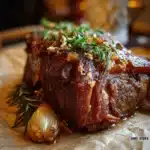
Beef Based German Style Knuckle: A Juicy Twist on Tradition
- Total Time: 2 hours 50 minutes
- Yield: 4 servings
Description
A delicious twist on a traditional German dish featuring beef knuckle, blending rich flavors that will satisfy your taste buds.
Ingredients
- 2 pounds beef knuckle
- 1 tablespoon salt
- 1 teaspoon black pepper
- 2 tablespoons olive oil
- 1 large onion, chopped
- 3 cloves garlic, minced
- 1 cup beef broth
- 2 tablespoons Worcestershire sauce
- 1 teaspoon dried thyme
- 1 bay leaf
Instructions
- Preheat the oven to 325°F (163°C).
- Season the beef knuckle with salt and pepper.
- In a large oven-safe pot, heat olive oil over medium heat. Sear the beef knuckle on all sides until browned.
- Add onions and garlic to the pot, cooking until softened.
- Pour in beef broth and Worcestershire sauce, and add thyme and bay leaf.
- Cover the pot and transfer it to the preheated oven.
- Bake for 2.5 to 3 hours or until the beef is tender.
- Remove from oven, discard bay leaf, and serve hot.
Notes
- For more flavor, marinate the beef in the fridge overnight with the seasonings.
- This dish pairs well with roasted vegetables or mashed potatoes.
- Prep Time: 20 minutes
- Cook Time: 2 hours 30 minutes
Nutrition
- Serving Size: 1 serving
- Calories: 450
- Sugar: 1g
- Sodium: 800mg
- Fat: 25g
- Saturated Fat: 8g
- Unsaturated Fat: 15g
- Trans Fat: 0g
- Carbohydrates: 5g
- Fiber: 1g
- Protein: 50g
- Cholesterol: 120mg